

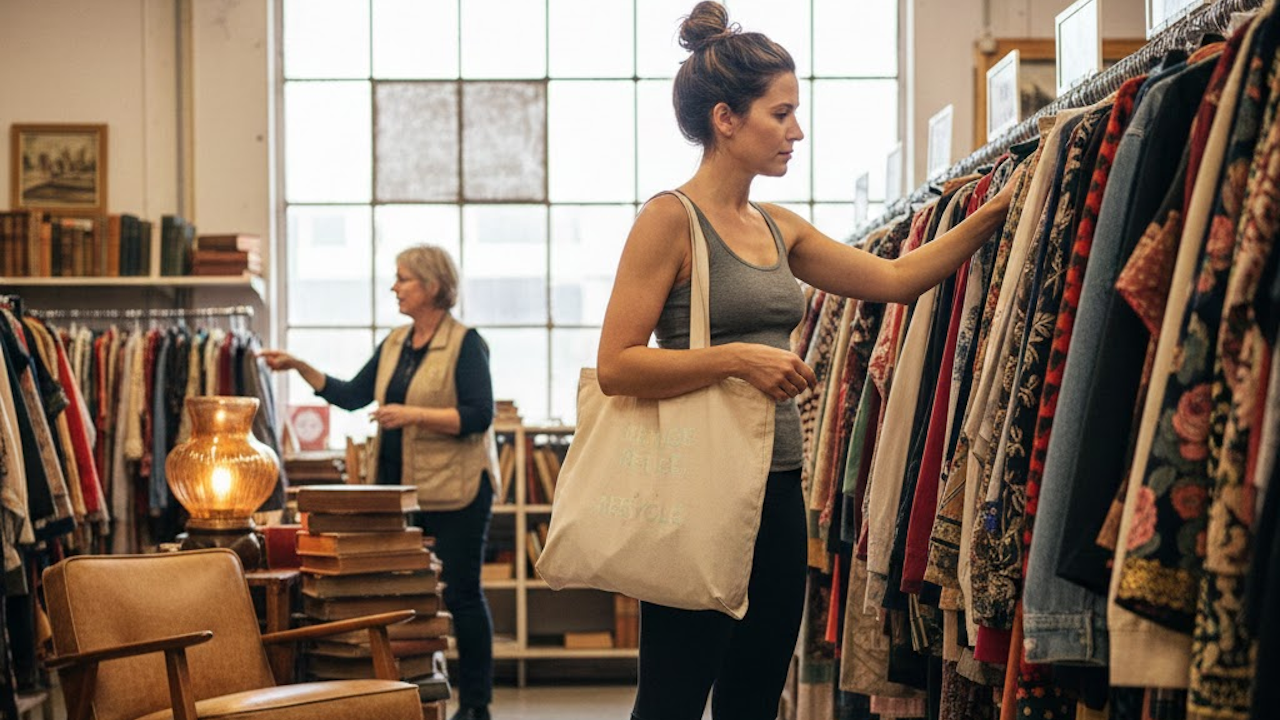
Thrifting has evolved from a budget necessity into a strategic, rewarding pursuit that combines smart shopping, sustainability, and the pure thrill of discovery. In an era of rising prices and fast fashion fatigue, learning to thrift like a professional means consistently finding high quality clothing, furniture, accessories, and household items for a fraction of retail cost. It is not about random browsing or settling for whatever is available. Instead, it requires preparation, knowledge of store systems, a sharp eye for value, and disciplined habits that separate casual shoppers from those who regularly score standout pieces.
Whether your goal is to refresh a wardrobe, furnish a home on a tight budget, or even turn thrifting into a side income through flipping, the principles remain the same. Success comes from going often, shopping with intention, understanding pricing mechanics, and treating every visit as both a treasure hunt and a skill building exercise. This guide breaks down everything you need to know to thrift like a pro and maximize savings while building a collection of pieces you truly love.
The Professional Thrifter Mindset
The foundation of pro level thrifting starts in your head before you ever step into a store. Professionals approach each trip with patience, curiosity, and flexibility. They do not enter with a rigid list of must have items and leave disappointed if nothing matches exactly. Instead, they go in with broad intentions, such as looking for natural fiber clothing or solid wood furniture, and stay open to unexpected finds that catch their attention.
One of the biggest shifts is learning to let items find you rather than forcing a specific search. This means browsing every section, including areas you might normally skip. Many experienced thrifters discover great jeans or button down shirts in the men’s department because the cuts and fabrics often offer better value or unique vintage details. Staying open minded also means accepting that some trips will yield smaller hauls. Those slower days still build your eye for quality and help you recognize patterns in inventory flow.
Another key mental habit is setting a realistic budget before you leave home and sticking to it. Without a spending cap, it is easy to get caught up in the excitement and overspend on items that do not fit your needs or style. Pros also maintain a running list on their phone of current needs, whether that is a warm winter coat, kitchen storage solutions, or versatile layering pieces. This list keeps them focused while still allowing room for serendipitous discoveries.
Finally, cultivate a long term perspective. Thrifting improves dramatically with frequency. The more you go, the better you become at spotting value quickly, understanding local store rhythms, and building relationships with staff who sometimes tip off regulars about incoming stock or upcoming sales.
Preparing for a Successful Hunt
Preparation separates average thrifters from those who consistently score the best deals. Start by researching the stores in your area. Follow local Goodwill, Salvation Army, and independent thrift shops on social media to learn about restock schedules, color tag rotations, and special promotions. Many stores post photos of new arrivals or announce sale days, giving you an edge on timing.
Dress for comfort and mobility. Wear supportive shoes because you will be on your feet for hours, moving between aisles and bending to check lower shelves. Bring a few sturdy reusable tote bags or a collapsible cart to carry finds without straining your arms. Small bills in cash are useful for potential haggling at garage sales or estate sales, though most chain stores are cashless or card only now.
Other useful items include a phone charger, hand sanitizer or wipes, and a measuring tape or your own well fitting garments for quick size comparisons. Many pros also keep a small notebook or use their phone notes app to jot down observations about pricing trends or particularly good sections at specific stores.
Before heading out, decide your focus areas for that trip. You might dedicate one visit primarily to clothing and another to home goods. This prevents decision fatigue in large stores packed with options. If you are new to an area, visit during off peak weekday hours to get a feel for layout without crowds.
Where the Best Deals Hide
Not all thrift locations are created equal, and knowing the landscape helps you allocate time wisely. National chains like Goodwill and Salvation Army move massive volumes of inventory and often have structured sales systems. Goodwill’s famous color tag program rotates discounts weekly, with one color typically marked 50 percent off for the entire week. Learning the current rotation and planning visits around the best discount color can dramatically increase savings.
Salvation Army stores frequently run similar colored tag promotions and sometimes organize clothing by color, which speeds up scanning for desired shades or patterns. Independent thrift stores and charity shops attached to churches or hospitals can offer lower prices and more eclectic selections because they have less overhead and different donation sources.
For furniture and larger items, check Habitat for Humanity ReStores and local consignment or estate sale venues. Garage sales and community flea markets provide opportunities for direct negotiation with sellers who are motivated to clear space. Online platforms such as Facebook Marketplace, OfferUp, and specialized apps supplement in person hunting, but the deepest discounts and most surprising finds still happen in physical stores where you can inspect items thoroughly.
Wealthier neighborhoods often yield higher quality donations, including designer labels and gently used luxury goods. Rotating between stores in different areas exposes you to varied inventory streams and prevents you from seeing the same items repeatedly.
Timing Strategies That Maximize Finds
Timing is one of the most powerful levers for scoring deals. New merchandise arrives daily at most large thrift stores, so the absolute best selection happens early in the day, ideally within the first hour or two after opening. Arriving early also means beating resellers and other serious thrifters to the newest racks.
Weekdays, particularly Tuesday through Thursday, tend to be less crowded than weekends, allowing more leisurely browsing and easier access to fitting rooms or checkout lines. Some stores receive their largest donation batches midweek, making those mornings especially productive.
Pay close attention to seasonal timing as well. Shopping for winter coats in July or swimsuits in January often means dramatically lower prices on out of season stock that has been sitting on racks. Post holiday periods and late January see surges in donations as people declutter after resolutions or gift exchanges.
For color tag sales, mark your calendar with the weekly rotation. Many thrifters plan their entire week around the current 50 percent off color. Because the discounted color often shifts to the lowest price point the following week, understanding the full cycle helps you anticipate when specific tags will drop further.
Restock days vary by location, so do not hesitate to ask staff politely when the biggest deliveries typically hit the floor. Building a friendly rapport can yield insider information that casual shoppers never receive.
Spotting Hidden Gems and High Value Items
Professional thrifters train their eyes to scan for specific indicators of quality rather than relying on brand names alone. Fabric content is one of the most reliable signals. Natural fibers such as wool, cashmere, 100 percent cotton, linen, and silk hold up better over time and command higher resale value. These materials frequently appear at thrift stores for under ten or twenty dollars even when new equivalents cost far more.
Leather jackets and coats represent another high value category. Well made leather can last decades with proper care, and thrift prices often fall dramatically below retail. Knitwear, including sweaters and cardigans, is worth close examination because high quality wool or cashmere pieces hide among lower grade acrylic options.
Denim deserves special attention. Vintage Levi’s, particularly older 501 styles, frequently surface at low prices and can be worth significant resale amounts after cleaning and research. Checking the men’s section expands your options because many women find better fits or unique washes there.
Other categories rich with potential include solid wood furniture, cast iron cookware, quality glassware and ceramics, and vintage accessories. When scanning racks, look beyond the obvious. Dig into the back of shelves, check top and bottom levels, and examine items partially hidden behind others. Many great finds are overlooked simply because they were placed awkwardly or require a second glance.
For clothing, feel the weight and texture quickly as you flip through hangers. Heavier garments often indicate better construction or higher quality materials. Vintage tags or specific care labels can also signal authenticity and durability.
The Art of Careful Inspection
Never skip the inspection process. Thrift stores almost never accept returns, so every purchase is final. Start with a visual scan for obvious damage such as stains, tears, missing buttons, or broken zippers. Then move to tactile checks: pull gently on seams to test strength, examine hems and linings, and inspect underarms and collars for discoloration or wear.
Odors matter too. Musty smells can sometimes be removed with vinegar soaks or professional cleaning, but heavy smoke or pet odors are harder to eliminate completely. For shoes, check soles for excessive wear and insoles for condition. Furniture requires stability tests, drawer function checks, and measurements to ensure the piece will fit your space.
When in doubt about an item’s potential value or origin, use your phone’s camera and search tools to identify marks, maker’s stamps, or brand details in real time. Minor flaws such as a missing button or small stain often result in lower pricing, yet these issues are frequently easy and inexpensive to fix at home.
Professionals develop a mental checklist they run through quickly on every promising piece. With practice, this inspection becomes second nature and dramatically reduces buyer’s remorse.
Haggling, Bundling, and Working the Sales System
While chain thrift stores have fixed pricing, negotiation opportunities exist at garage sales, estate sales, and some smaller independent shops. Approach haggling with respect and friendliness. Point out any flaws politely and ask if the seller would consider a specific lower price for the bundle of items you have selected. Sellers clearing out space are often willing to discount multiple pieces together.
At stores with color tag systems, focus your energy on the current discount color while still scanning other racks for exceptional quality. Some locations allow bundling multiple tagged items for an additional percentage off, though policies vary. Always ask at checkout about any unadvertised promotions or senior discounts if applicable.
Another pro move is combining thrift finds with other sales channels. Many stores offer coupons or percentage discounts after you donate goods. Taking advantage of these programs stretches your budget further while supporting the charitable mission behind most thrift operations.
Post Purchase Care and Transformation
Bringing items home is only the beginning. Every piece should be cleaned according to its material before entering your regular rotation. Most clothing benefits from a thorough wash with appropriate detergent. Delicates or items with uncertain histories may require a vinegar and water soak or a trip to the dry cleaner.
For furniture and decor, simple updates such as a fresh coat of paint, new hardware, or refinishing can transform dated pieces into modern statement items. Many thrifters develop basic sewing skills to shorten hems, replace buttons, or take in waists on otherwise perfect garments.
Proper storage extends the life of your finds. Keep wool and cashmere in breathable garment bags with cedar blocks to deter moths. Store out of season clothing in clearly labeled bins. For furniture, avoid direct sunlight and maintain stable humidity levels.
Upcycling turns good deals into even better value. An outdated lamp base becomes a custom piece with spray paint and a new shade. Old wooden chairs gain new life with reupholstered seats. These projects add personal style while keeping usable items out of landfills.
Taking It Further: Flipping for Profit
Once you have mastered personal shopping, many thrifters expand into reselling. The key is research before purchase. Use online marketplaces to check recent sold prices for similar items rather than relying on asking prices. Calculate potential profit after platform fees, shipping costs, and your time investment.
High margin categories in recent years include vintage clothing, popular athletic brands, quality leather goods, and small furniture or collectibles that ship affordably. Focus on items with strong demand and relatively fast turnover rather than chasing one huge score that may sit for months.
Successful flipping requires clean presentation. Photograph items in good natural light from multiple angles, write detailed descriptions that include measurements and material content, and price competitively based on actual sold data. Platforms such as eBay, Poshmark, Depop, and Facebook Marketplace each have different strengths depending on your inventory.
Track every expense and sale in a simple spreadsheet. Over time you will identify which categories perform best for you and refine your sourcing accordingly. Many people start part time and discover that consistent thrifting combined with smart reselling generates meaningful supplemental income.
Common Pitfalls and How to Avoid Them
Even experienced thrifters occasionally fall into traps. The most frequent mistake is buying something simply because it is cheap without considering whether you will actually use it. Another is skipping thorough inspection in the excitement of a potential deal.
Overlooking store sales cycles wastes money. Failing to rotate between multiple locations limits exposure to fresh inventory. Buying trendy items that have already peaked can lead to pieces that sit unused. Pros combat these issues by maintaining a clear list of current needs, inspecting every item methodically, and shopping with a long term style vision rather than fleeting trends.
Impulse purchases also accumulate clutter. Before adding an item to your cart, ask yourself three quick questions: Will I wear or use this within the next month? Does it work with pieces I already own? Is the condition good enough that I will not regret the purchase after cleaning?
The Bigger Picture: Sustainability and Personal Style
Beyond individual savings, thrifting contributes to a more sustainable consumption model. Every item purchased secondhand reduces demand for new manufacturing, lowers textile waste, and keeps usable goods in circulation. Choosing quality natural fibers over synthetic fast fashion further extends the positive impact because those pieces last longer and can be passed along again.
On a personal level, thrifting encourages the development of a unique style. You are far less likely to end up with a closet full of identical mass produced garments when your wardrobe comes from scattered sources over time. Experimentation becomes affordable, allowing you to test trends or silhouettes without major financial risk.
Many people also find community through thrifting, whether sharing finds online, participating in local swap events, or simply enjoying conversations with other regulars at favorite stores.
Final Thoughts on Building Your Thrifting Practice
Thrifting like a professional is a skill that compounds over time. The first few trips may feel overwhelming or yield modest results. Keep going. Each visit sharpens your ability to recognize quality fabrics, spot undervalued items, navigate sales systems efficiently, and make quick yet accurate decisions.
Start with one or two stores close to your regular routes and commit to visiting them weekly for a month. Track what you find, what you pay, and how the items perform in your daily life. Adjust your strategy based on real results. Before long, you will develop an intuitive sense for when a rack is worth deeper digging and which sections to breeze past on a given day.
The rewards extend far beyond the money saved. There is genuine satisfaction in wearing a beautiful cashmere sweater that cost less than a fast food meal, or sitting at a solid wood table you rescued and refinished yourself. These pieces carry stories and character that new retail items rarely match.
Approach every trip with curiosity and respect for the process. Stay patient, stay observant, and remember that the best deals often appear when you least expect them. With consistent practice and the strategies outlined here, you will soon be thrifting like a true professional and scoring exceptional finds on a regular basis. The racks are waiting.