

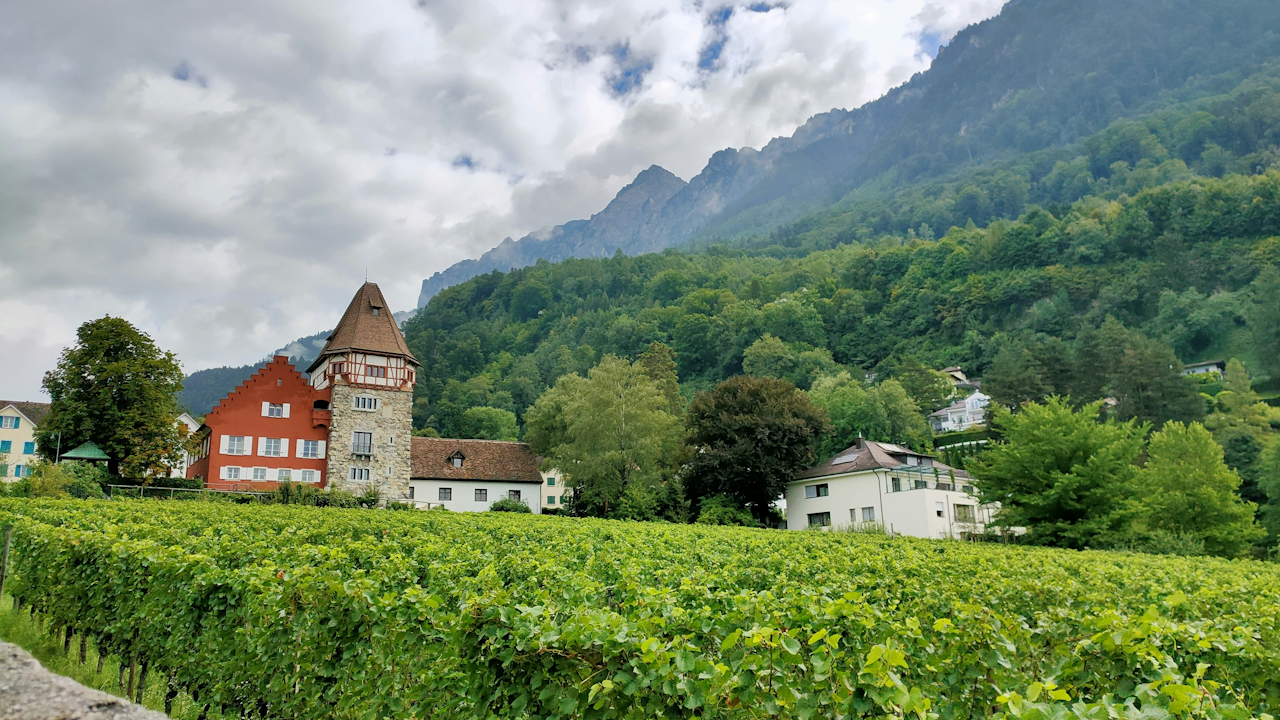
Wine is more than a beverage. It is history in a glass, a reflection of place, climate, tradition, and human passion. For the dedicated wine enthusiast, visiting the world’s greatest wineries is not merely tourism but a pilgrimage. These estates offer more than tastings. They provide stories, landscapes, and bottles that redefine what wine can be. Here is a curated bucket list of ten wineries that every serious wine lover should experience at least once. Each represents the pinnacle of its region and continues to shape the global wine conversation.
1. Domaine de la Romanée-Conti (Burgundy, France)
In the heart of the Côte d’Or, this mythical domaine produces what many consider the finest Pinot Noir on Earth. Romanée-Conti, often simply called DRC, is a tiny vineyard of less than two hectares that yields some of the most expensive and sought-after wines in the world. The estate also stewards other legendary monopoles such as La Tâche, Richebourg, and Romanée-Saint-Vivant.
Visitors who manage to secure an appointment will walk through meticulously tended vines that have been cultivated for centuries. The cellar tours reveal ancient stone walls lined with dusty bottles from vintages long past. Tastings here are intimate and educational, focusing on the subtle differences between plots and the profound influence of terroir. Burgundy lovers describe the experience as transformative. The combination of history, precision viticulture, and the almost spiritual reverence for the land makes DRC the ultimate Burgundy pilgrimage.
2. Château Margaux (Bordeaux, France)
Few names evoke Bordeaux grandeur like Château Margaux. This First Growth estate sits on a gentle rise overlooking the Gironde estuary in the Médoc. The neoclassical château, often called the “Versailles of Bordeaux,” is as much a symbol of elegance as the wine itself.
The estate produces a flagship grand vin that epitomizes the power, finesse, and aging potential of Margaux appellation Cabernet Sauvignon. Beyond the main label, visitors can explore the second wine Pavillon Rouge and the rare white Pavillon Blanc. Tours often include the magnificent barrel cellars and the striking modern winery designed by architect Norman Foster. A visit to Château Margaux offers insight into the meticulous blending process and the long-term vision required to maintain First Growth status across centuries.
3. Opus One (Napa Valley, California, USA)
Born from the collaboration between Robert Mondavi and Baron Philippe de Rothschild, Opus One represents the pinnacle of Napa Valley’s post-1970s renaissance. The winery’s distinctive architecture, with its Romanesque influences and underground barrel rooms, rises dramatically from the valley floor near Oakville.
The wine, a Bordeaux-style blend dominated by Cabernet Sauvignon, is known for its structure, opulence, and remarkable aging ability. Tours take guests through the gravity-flow winery and the art-filled public spaces. What sets Opus One apart is its seamless blend of Old World tradition and New World innovation. Tastings often include verticals that demonstrate how the wine evolves over decades, making this a must-visit for anyone interested in California’s contribution to fine wine.
4. Vega Sicilia (Ribera del Duero, Spain)
Vega Sicilia is Spain’s most iconic winery and the standard-bearer for the Ribera del Duero region. Founded in the 19th century, it produces long-aging, complex reds based primarily on Tempranillo with influences from French varieties. The flagship Unico, released only after at least ten years of aging, is legendary.
The estate spans vast vineyards with old vines and unique soils. Visitors can explore the historic cellars filled with thousands of barrels and bottles from decades past. The tasting experiences emphasize patience and tradition. Vega Sicilia proves that Spain belongs firmly in any conversation about the world’s greatest wines. The combination of elegance and power in their wines rewards those who make the journey to this somewhat remote but profoundly rewarding location.
5. Antinori nel Chianti Classico (Tuscany, Italy)
The Antinori family has been making wine for over 600 years, and their commitment to innovation while honoring tradition is legendary. Their flagship estate in the Chianti Classico zone features the breathtaking modern winery carved into a hillside, designed to blend seamlessly with the landscape.
Here, visitors can taste the evolution of Super Tuscan wines such as Tignanello and Solaia alongside classic Chianti Classico. The family’s passion for experimentation, including the use of international varieties in traditional zones, helped reshape Italian wine in the late 20th century. The on-site Osteria serves exceptional food pairings, making a visit a full sensory immersion into Tuscan culture, history, and gastronomy.
6. Penfolds (South Australia)
No list would be complete without representing Australia, and Penfolds stands tallest. Best known for Grange, the iconic Shiraz that helped put Australian wine on the global map, Penfolds embodies bold, fruit-forward winemaking with exceptional structure.
The Magill Estate near Adelaide offers tours of the original 1844 winery and the famous Grange Cottage. Visitors can participate in blending sessions or taste through verticals of Grange and other treasures like St Henri and Yattarna. The winery’s approach to multi-vintage and multi-regional blending creates distinctive house styles that collectors treasure. A visit here reveals the ambition and technical mastery behind Australia’s most famous wines.
7. Château d’Yquem (Sauternes, Bordeaux, France)
For sweet wine enthusiasts, Château d’Yquem is the undisputed king. This First Growth Sauternes producer creates liquid gold from botrytized Sauvignon Blanc and Sémillon grapes. The estate’s meticulous vineyard management, including multiple passes through the vines during harvest, results in wines of extraordinary complexity, concentration, and longevity.
Tours include walks through the sloping vineyards overlooking the Garonne River and visits to the ancient cellars. Tastings of current and older vintages showcase how these golden wines develop notes of saffron, honey, apricot, and caramel over decades. Yquem represents the pinnacle of noble rot winemaking and offers a profound appreciation for the patience and risk involved in producing the world’s greatest dessert wines.
8. Cloudy Bay (Marlborough, New Zealand)
Cloudy Bay transformed the world’s perception of New Zealand Sauvignon Blanc when it released its inaugural 1985 vintage. The winery helped establish Marlborough as a premier cool-climate region known for vibrant, aromatic whites.
Located in the Wairau Valley, the estate offers beautiful vineyard views and modern tasting facilities. Beyond the famous Sauvignon Blanc, visitors can explore their Chardonnay, Pinot Noir, and sparkling wines. The relaxed yet professional atmosphere reflects New Zealand’s approachable wine culture while maintaining world-class quality. A visit here provides context for the explosive growth of New Zealand wine and its unique expression of place.
9. Catena Zapata (Mendoza, Argentina)
High in the foothills of the Andes, Catena Zapata has elevated Argentine Malbec from everyday quaffing wine to serious cellar contender. The family’s pioneering work with high-altitude vineyards and careful clonal selection has produced elegant, structured Malbecs with remarkable aging potential.
The striking pyramid-shaped winery is an architectural landmark. Tours often include drives through dramatic vineyard sites at varying elevations, demonstrating how altitude influences wine character. Tastings of the flagship Nicolas Catena Zapata and other high-end bottlings reveal the sophistication possible in South American wines. The combination of stunning scenery and technical excellence makes this a bucket-list destination for New World wine lovers.
10. Screaming Eagle (Napa Valley, California, USA)
Screaming Eagle represents the cult wine phenomenon at its most exclusive. This tiny Oakville producer creates Cabernet Sauvignon of extraordinary intensity and refinement from a small vineyard. Its wines command some of the highest prices on the secondary market.
Visits are extremely limited and highly personal. Those fortunate enough to be invited experience the intimate scale of the operation and the dedication to quality at every step. The wines’ purity, power, and finesse exemplify what Napa Valley can achieve when resources and passion align without compromise. For many collectors, tasting Screaming Eagle on the property remains the ultimate Napa experience.
These ten wineries represent diverse philosophies, climates, and traditions yet share a common thread: an uncompromising pursuit of excellence. Planning visits requires patience. Many estates have strict appointment policies and limited public access. Some may be reached through wine clubs, auctions, or luxury travel specialists. The effort is worthwhile. Standing in these vineyards, tasting these wines at their source, and connecting with the people who craft them creates memories that deepen one’s appreciation for wine for a lifetime.
Whether your passion lies in elegant Old World classics or bold New World expressions, these estates offer transformative experiences. They remind us that wine is fundamentally about place and people. Start planning your journey. The world’s greatest glasses await.