

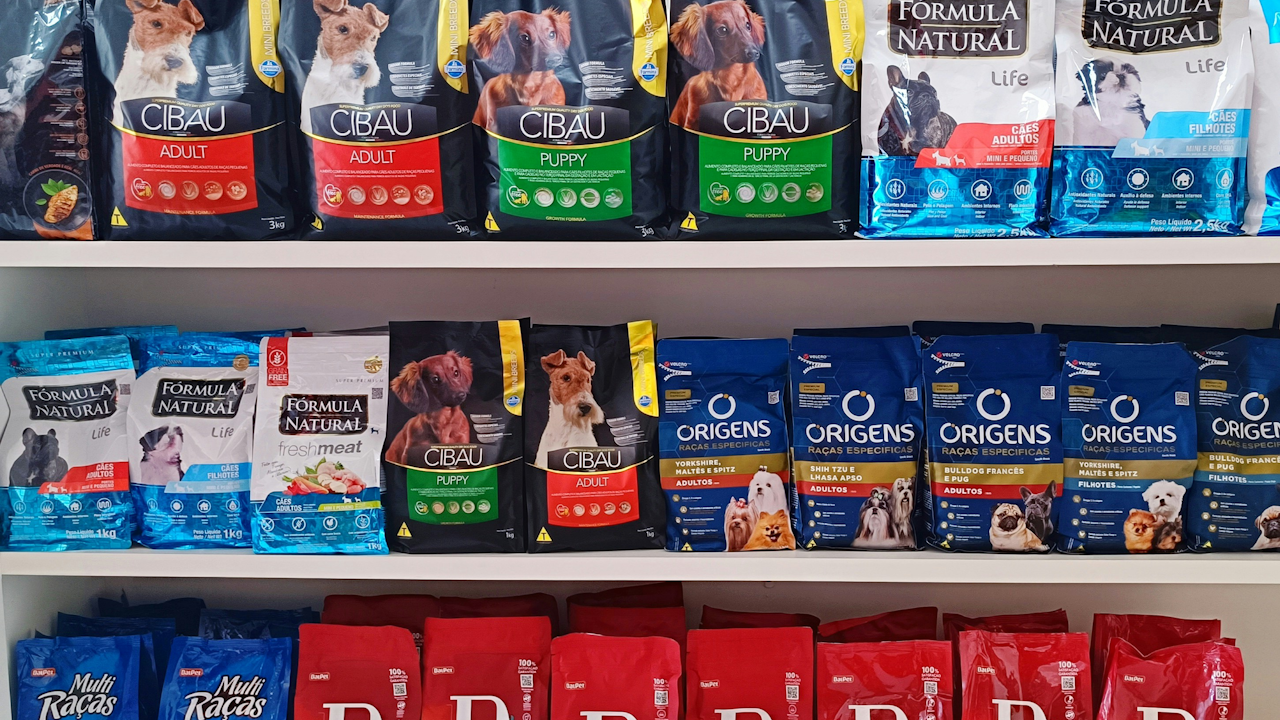
Raw diets for dogs and cats have surged in popularity over the past few decades. Pet owners seeking what they view as a more natural approach to feeding often turn to uncooked meat, bones, organs, and sometimes vegetables or supplements. Proponents argue that this mirrors the ancestral diets of wolves and wild felines, promising superior health outcomes. Yet veterinary organizations, regulatory bodies, and peer-reviewed research paint a more cautious picture. While some owners report noticeable improvements in their pets’ coats or energy levels, the evidence for broad benefits remains limited and largely anecdotal. At the same time, documented risks related to pathogens and nutritional shortfalls are substantial and well-supported by studies. This article examines the full picture, drawing on scientific literature, expert consensus, and practical realities to separate fact from hype.
The concept of raw feeding gained traction in the 1990s through the work of Australian veterinarian Dr. Ian Billinghurst. He introduced the BARF acronym, standing for Biologically Appropriate Raw Food or Bones and Raw Food. Billinghurst argued that modern processed pet foods deviated too far from what dogs and cats evolved to consume over millions of years. His books, such as Give Your Dog a Bone, promoted a diet of raw meaty bones, offal, and minimal plant matter as a return to evolutionary principles. The movement spread quickly through online communities, books, and commercial products. By the 2010s and into the 2020s, freeze-dried, frozen, and fresh raw options filled pet store shelves and online marketplaces. Marketing often emphasized “natural,” “whole-prey,” and “species-appropriate” qualities, resonating with owners wary of highly processed kibble or canned foods containing grains or fillers.
Advocates highlight several potential advantages. Many report shinier coats, healthier skin, improved digestion with smaller and firmer stools, higher energy, and fresher breath. Some claim raw feeding reduces allergies, supports better weight management through high protein and low carbohydrate content, and promotes dental health by the mechanical action of chewing raw bones. Proponents also suggest that raw diets enhance immune function and overall vitality because they avoid the heat processing that can degrade nutrients in kibble. For cats, as obligate carnivores, raw meat aligns closely with their natural prey-based needs. Anecdotal success stories abound on forums and social media, with owners describing fewer veterinary visits and longer lifespans. A few small observational studies have noted modest differences, such as firmer feces or slight improvements in skin condition among raw-fed dogs compared to those on kibble.
Scientific scrutiny, however, reveals that these benefits lack robust, long-term evidence. Large-scale, controlled trials comparing raw diets to balanced commercial foods over years are scarce. Owner-reported improvements may stem from placebo effects, concurrent lifestyle changes like increased exercise, or the elimination of specific allergens in a previous diet rather than the raw format itself. One cross-sectional study of client-owned dogs found raw-fed animals had modestly better integument scores and a composite clinical health score that included dental, ear, and skin evaluations. Yet the same study noted no differences in dental or ear health specifically, and owners of raw-fed dogs were more likely to use supplements and engage in sporting activities, confounding the results. Other research has failed to confirm claims about longevity, allergy reduction, or immune boosts. Dental benefits from bones remain debated; while chewing can scrape plaque, raw bones carry risks of fractures or obstructions that may offset any gains. No peer-reviewed data consistently shows raw diets outperforming properly formulated cooked or extruded foods in preventing disease or extending life.
The most extensively documented concerns center on food safety. Raw animal products frequently harbor pathogenic bacteria such as Salmonella, Escherichia coli (including multidrug-resistant strains), Listeria monocytogenes, Campylobacter, and Clostridium species. Studies by the FDA and independent researchers have repeatedly found contamination rates in commercial raw pet foods ranging from 20 to 40 percent or higher, far exceeding those in heat-processed options. One FDA analysis of online raw diets detected Salmonella, Listeria, or toxigenic E. coli in about one-third of samples. Pets consuming these foods can become ill with vomiting, diarrhea, or more severe systemic infections. Even asymptomatic animals shed bacteria in feces, saliva, and on their fur, creating household transmission risks. Vulnerable people, including children, the elderly, pregnant individuals, and those with weakened immune systems, face heightened danger of zoonotic illness. Recent research from Cornell University and the University of Pennsylvania has highlighted antibiotic-resistant bacteria in raw products, exacerbating public health worries. Multiple voluntary recalls occur annually for Salmonella or Listeria in raw dog and cat foods, underscoring that even commercial processing does not always eliminate threats. Freezing or freeze-drying reduces but does not eradicate pathogens, unlike cooking or pasteurization.
Parasites and viruses add another layer of risk. Raw diets may contain Toxoplasma, Neospora, or other protozoa if sourcing is not meticulous. In 2025 reports, cases linked raw chicken or turkey in cat diets to avian influenza transmission. Handling raw food also demands strict hygiene: separate utensils, immediate refrigeration, and thorough cleaning of surfaces and bowls. Veterinary associations emphasize that these hazards apply equally to dogs and cats, though cats’ smaller size and grooming habits may increase exposure.
Nutritional adequacy poses an equally serious challenge. Raw diets must supply precise balances of protein, fat, vitamins, minerals, and other essentials tailored to life stage, breed, and health status. Homemade versions frequently fall short. Analyses of hundreds of online and published recipes for dogs and cats reveal deficiencies in calcium, phosphorus, vitamin E, thiamine, zinc, copper, and other nutrients in the vast majority of cases. One 2025 study from the Dog Aging Project examined over 1,700 homemade dog diets and determined that only 6 percent had the potential to meet complete nutritional needs. For cats, similar evaluations found universal shortfalls, particularly in choline, iron, and B vitamins. Long-term feeding of imbalanced raw diets has led to documented conditions including nutritional secondary hyperparathyroidism (from improper calcium-phosphorus ratios), skeletal abnormalities, vitamin D toxicity or deficiency, and organ damage. Even commercial raw foods, while sometimes tested, vary widely; not all undergo feeding trials required for AAFCO “complete and balanced” claims. AAFCO nutrient profiles exist for dogs and cats, but raw formats complicate compliance because they rely on raw ingredients without the heat stability or fortification common in kibble. Excesses of certain minerals or vitamins can also occur, particularly in bone-heavy recipes.
Dogs and cats differ in their responses to raw feeding. Dogs, as more omnivorous descendants of wolves, have genetic adaptations for digesting starches and a broader tolerance for varied diets. Yet they still face the same bacterial and imbalance risks. Wolves in the wild survive on raw prey but have far shorter lifespans and higher mortality from parasites or injury than companion dogs. Cats, being strict carnivores, derive most nutrients from animal tissues and require higher protein and specific amino acids like taurine. Raw meat supplies these well, but cats’ fastidious eating and grooming increase ingestion of surface bacteria. Both species can develop subclinical infections that owners overlook until testing or secondary issues arise.
Commercial raw products offer convenience and some quality control through sourcing and testing, but they remain expensive and prone to supply-chain contamination. Homemade diets allow customization but demand veterinary nutritionist oversight, precise weighing, and regular bloodwork to monitor status. Supplements are often necessary yet easy to miscalculate. Transitioning pets requires gradual introduction to avoid gastrointestinal upset, and not every animal thrives; some develop sensitivities or refuse components.
Major veterinary and regulatory bodies maintain clear positions against routine raw feeding. The American Veterinary Medical Association discourages any raw or undercooked animal-source protein for dogs and cats due to risks to animal and human health. It supports processing methods like cooking or pasteurization that eliminate pathogens. The FDA has issued repeated advisories and warnings, citing contamination data and urging caution. Organizations including the American Animal Hospital Association, Cornell Feline Health Center, and Tufts University Petfoodology program echo these concerns, noting that risks outweigh unproven benefits. International groups such as the British Veterinary Association align similarly. While acknowledging owner interest in natural feeding, experts prioritize evidence-based nutrition that meets established standards.
If owners still choose raw after weighing the evidence, several safeguards apply. Source ingredients from reputable suppliers with pathogen testing. Follow formulations created by board-certified veterinary nutritionists rather than generic online plans. Use food-grade handling practices equivalent to human raw meat safety. Monitor pets with annual or semi-annual veterinary checkups, including fecal tests and blood panels for nutrient levels. Rotate proteins to minimize exposure to single-source contaminants. For those preferring to avoid raw entirely, high-quality commercial kibble or wet foods that carry AAFCO feeding-trial substantiation provide balanced, safe alternatives. Vet-formulated home-cooked diets, using balanced recipes and supplements, offer another controlled option without pathogen risks.
In conclusion, raw diets for dogs and cats appeal to a desire for simplicity and nature-aligned care, yet the truth lies in nuance. Anecdotal perks exist for some pets, but they do not translate into proven superiority over balanced commercial or cooked options. Pathogen contamination and nutritional imbalances represent tangible, evidence-backed threats that affect both pets and households. Veterinary consensus prioritizes safety and completeness over trends. Pet owners should consult their veterinarians, review current research, and select diets based on individual animal needs rather than marketing claims. Responsible feeding decisions, grounded in science, ultimately support longer, healthier lives for companion animals.