

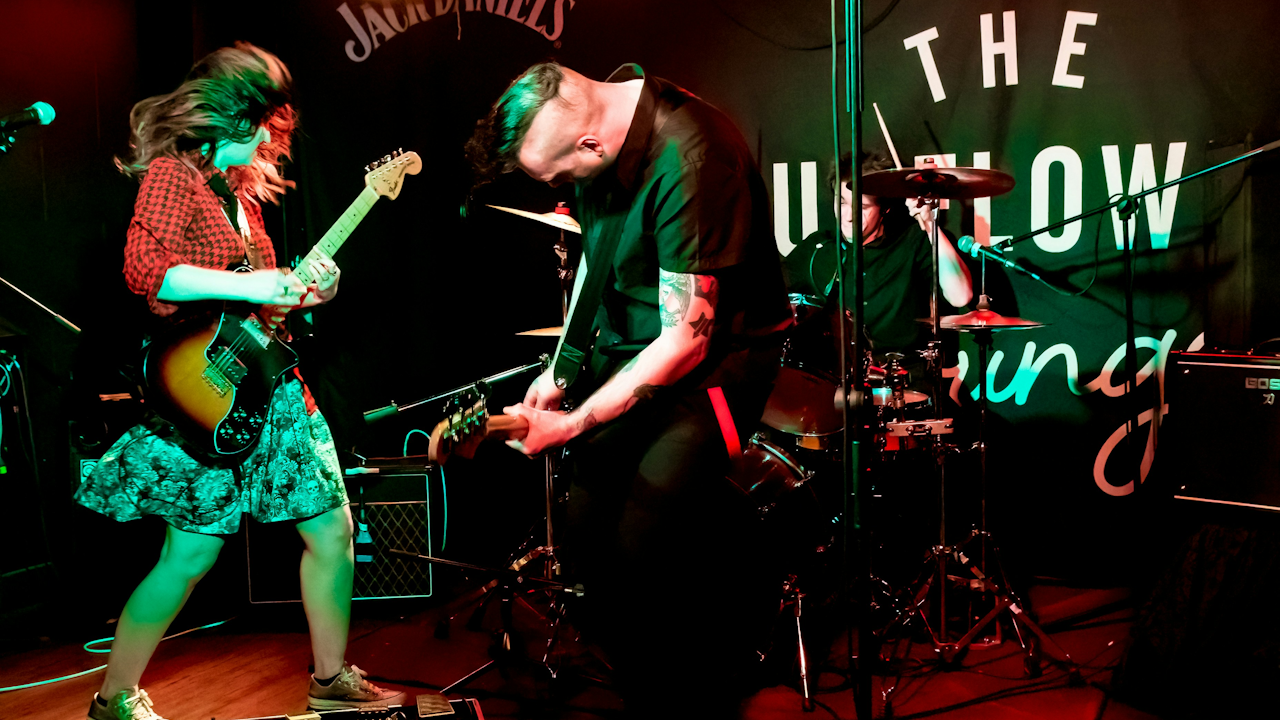
The image of a touring musician conjures visions of sold-out arenas, adoring crowds, and late-night revelry fueled by endless champagne and groupies. Fans scroll through polished social media posts showing guitarists mid-solo or singers waving from tour buses, assuming the life is one long party. In reality, the secret lives of touring musicians unfold far from the spotlight. They revolve around grueling routines, unexpected boredom, physical exhaustion, and quiet moments of isolation that the public rarely sees. For every electrifying performance, there are hours of waiting, endless highways, and the quiet toll on body and mind. This is the side of touring that veterans whisper about in green rooms and tour buses: a world where the dream meets the daily grind.
To understand this hidden reality, consider a typical day on the road. Most musicians do not wake up in luxury suites or roll out of bed just in time for sound check. For many acts, especially those in vans or modest buses, the schedule begins around noon after a night that ended near dawn. A singer might crawl out of a narrow hotel bed or a cramped bunk, brew weak coffee from a machine in the room, and check out late to squeeze in a few more minutes of rest. Breakfast often consists of whatever snacks survived the previous drive: protein bars, trail mix, or gas station coffee. By early afternoon, the band loads into the vehicle and hits the road for three to six hours. Stops are practical, not scenic. Fuel, oil checks, and quick bathroom breaks keep the group moving. Gear must stay hidden under blankets in the back to deter theft, and the van itself becomes a rolling office where emails are answered, set lists are tweaked, and arguments over playlists flare up.
Arrival at the venue marks the start of the real work. Load-in happens around seven in the evening for many mid-level acts. Band members and crew haul amplifiers, drums, and instrument cases through back doors and down concrete hallways. Sweat soaks shirts even before the first note is played. Sound check follows, a process that can take an hour or more as monitors are adjusted and levels are balanced. Then comes the wait. Doors might not open for two more hours, and the band passes time in a windowless green room that smells of stale beer and cleaning solution. Some read books, others scroll phones or play cards. Dinner, if it comes at all, arrives via a rider contract: basic catering like pasta or sandwiches provided by the venue. Many musicians report eating their first real meal of the day at this point, sustained earlier only by caffeine and vending machine finds. Merch tables must be set up next. Band members often stand behind folding tables selling T-shirts and vinyl between sets, chatting with fans while secretly calculating how many sales will cover gas money. The show itself lasts forty-five minutes to an hour for openers or support acts. Adrenaline surges during the performance, creating the high that keeps everyone going. But once the last encore ends, the cycle resets. Load-out begins immediately. Gear is packed, the van or bus is reloaded, and the group either drives through the night to the next city or checks into another hotel at three in the morning. Sleep comes in fits, often interrupted by the rumble of engines or the knowledge that tomorrow repeats the same pattern.
For those fortunate enough to graduate from vans to full tour buses, the environment changes but the intimacy does not disappear. A professional touring bus features rows of narrow bunks stacked like coffins, often called condo bunks for their compact design. Twelve to fourteen people might share one bus, including musicians, crew, and sometimes a driver who works through the night. Space is at a premium. Personal belongings are stored in tiny compartments above or below the bunks. The bathroom follows strict rules born from necessity: number one only while the bus is moving. Solid waste is forbidden because the septic system cannot handle it on the road, forcing stops at rest areas or venues. Showers are rare or nonexistent on smaller buses, leading to creative hygiene hacks like baby wipes and dry shampoo. Despite the constraints, many veterans swear by bus life. The constant vibration of the highway lulls them into the best sleep of their careers. Camaraderie builds quickly as everyone shares meals, inside jokes, and the same stale air. Yet close quarters also breed tension. Snoring, late-night conversations, or someone eating the last snack can spark quiet resentments that simmer for weeks. Larger productions for arena acts add luxury: private bedrooms, full kitchens, and even onboard gyms. Still, the core experience remains the same. Everyone lives in a rolling home that never quite feels like one.
The physical demands of touring remain one of its best-kept secrets. Load-in and load-out alone provide unexpected strength training. Musicians who once relied on gym routines discover that pushing cases and lifting amplifiers replaces formal workouts. Yet the benefits are offset by the costs. Diets turn irregular. Late nights and early drives lead to skipped meals or reliance on fast food. Jet lag compounds the issue for international tours, where time zones shift nightly. Sleep totals four or five hours on average, often broken by hotel check-ins or bus calls at two in the morning. Voices strain from singing through fatigue, and backs ache from awkward sleeping positions. Crew members face even steeper challenges. They arrive earlier, stay later, and handle the bulk of heavy lifting while musicians rest or meet fans. Many techs describe surviving on minimal meals and sheer willpower, knowing that the show must go on regardless of how they feel. Modern tours have introduced some improvements. Bigger acts travel with chefs, nutritionists, and physical therapists. Yoga mats appear in green rooms, and hydration reminders fill group chats. Smaller bands, however, still improvise workouts in parking lots or hotel rooms using resistance bands and bodyweight exercises. The body adapts, but it never fully recovers until the tour ends.
Mental health struggles run deeper and receive even less public attention. Loneliness creeps in despite constant company. Musicians sit surrounded by bandmates and crew yet feel profoundly alone. The road offers no fixed address, no familiar routines, and no easy way to maintain ties back home. Hotel rooms become solitary cells after midnight. Phones provide connection, but scrolling through friends’ photos of normal life only heightens the ache. Relationships suffer the most. Partners left behind struggle with long absences, and many marriages or long-term romances end under the strain. The contrast between onstage adoration and offstage disconnection proves jarring. One musician described returning home after months away only to feel like a stranger in his own house, resenting everyday chores after the rush of performing for thousands. Anxiety and insomnia plague many. The pressure to deliver perfect shows night after night builds quietly. Some turn to meditation apps or journaling in bunks. Others rely on reading, writing postcards, or listening to podcasts to stay grounded. A growing number of artists now prioritize mental health check-ins, but the industry still rewards those who push through silently. Tours that once seemed glamorous reveal themselves as endurance tests, where the real victory is simply arriving at the next venue intact.
Financial realities add another layer of secrecy. Many assume touring equals easy money, yet the opposite often holds true for emerging and mid-level acts. Ticket sales, guarantees, and merch splits must cover van rentals, fuel, crew wages, lodging, and gear repairs. After expenses, profits can shrink to nothing or turn negative. Bands sometimes return from a month-long run owing money. Merch tables become lifelines. A well-designed T-shirt or limited-edition vinyl can mean the difference between breaking even and eating ramen for weeks. Bigger stars negotiate better riders and production budgets, yet even they face hidden costs. Insurance, production delays, and canceled shows due to illness eat into margins. The crew earns steady pay but works punishing hours with little downtime. The true secret is that touring sustains careers more through exposure and fan loyalty than direct cash. Streaming royalties alone rarely pay the bills, so the road remains essential even when it feels unsustainable.
Amid the hardships, unexpected perks surface that keep musicians hooked. The thrill of stepping onstage and hearing a crowd sing every word never fades. Travel offers glimpses of cities that would otherwise remain names on a map. A free afternoon might mean exploring a local museum or hiking a nearby trail. Camaraderie forges lifelong bonds. Shared struggles in cramped vans create inside jokes and mutual respect that studio sessions cannot replicate. Food riders on larger tours deliver surprisingly good catering: fresh salads, grilled proteins, and even vegetarian options tailored to the group. Some musicians collect souvenirs like magnets or postcards, turning the road into a personal museum of memories. The creative spark often ignites between shows. Ideas written in green rooms or melodies hummed on buses become future hits. For many, the secrecy of these small victories makes the life worthwhile. They witness sunrises over highways and connect with fans in ways no social media post can match. The road strips life to essentials, revealing what truly matters: the music, the people, and the next show.
Behind the musicians stands an invisible army of crew members whose lives remain even more hidden. Tour managers coordinate every detail, from day sheets listing load-in times to catering tickets. Stagehands, guitar techs, and monitor engineers arrive hours early to mark floors and rig lights. Their work demands precision and endurance. One delay ripples through the entire evening. Crew members often sleep less than the band and eat on the run. Yet many describe the role as addictive. They travel the world, solve problems under pressure, and witness performances from the best vantage point in the house. Unions in some cities provide steady local work, but full-time touring crew chase gigs across continents. The secret they share is simple: the show belongs to the musicians, but the machine that makes it happen belongs to them.
When the final encore fades and the tour bus points toward home, another secret chapter begins. Re-entry proves disorienting. Musicians step back into quiet apartments or family homes after months of constant motion. The silence feels deafening. Sleep schedules remain wrecked for weeks. Partners and friends expect immediate reconnection, yet exhaustion and emotional numbness linger. Some describe a mild depression that settles in once the adrenaline vanishes. Others dive straight into writing new material, channeling the road’s chaos into songs. Slowly, routines return. Grocery shopping replaces catering lines. Normal conversations replace tour-bus banter. Yet a part of every musician already itches for the next departure date. The road calls because it offers purpose, community, and the fleeting magic of live connection that no other life provides.
In the end, the secret lives of touring musicians reveal a truth few outsiders grasp. The glamour exists in flashes, but the foundation is built on sacrifice, resilience, and quiet determination. They endure the long drives, the bad food, the loneliness, and the uncertainty because the alternative feels smaller. Each night onstage reminds them why they chose this path. The crowds see the lights and hear the music. The musicians live the hours in between, carrying stories they rarely tell. Those stories, woven through thousands of miles and countless venues, form the real soundtrack of a life on the road. It is not always pretty, but it is undeniably alive.