

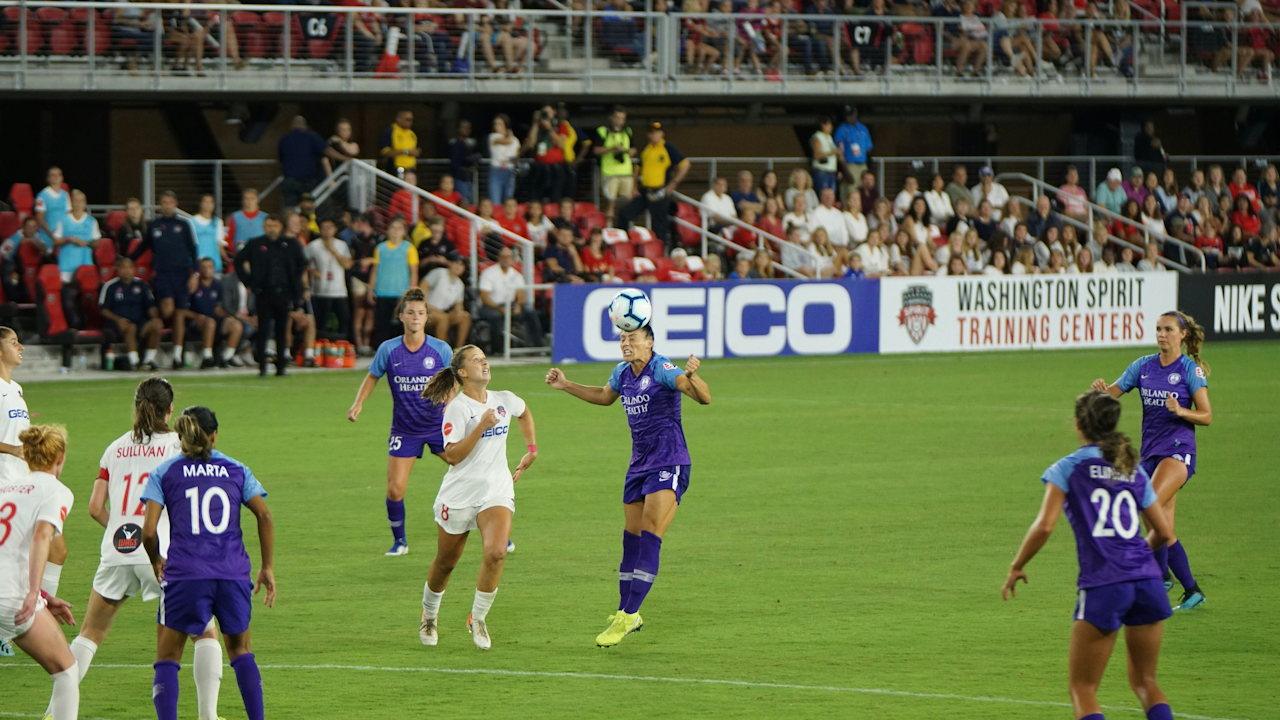
Women’s sports have entered a new era of mainstream appeal. Once relegated to niche programming with limited airtime and modest audiences, they now command record numbers of viewers across television, streaming platforms, and digital channels. In the United States alone, audiences consumed 46 billion minutes of women’s sports content in 2025, a substantial increase from approximately 37 billion minutes the previous year. This surge reflects broader shifts in fan engagement, media investment, and cultural recognition of female athletes.
The numbers tell a compelling story of sustained growth. The WNBA achieved its most-consumed full season ever in 2025, with total viewership across all national networks reaching 220.12 million hours, up 16 percent from 2024. ESPN networks delivered their highest averages yet for both regular-season and postseason games, averaging 1.3 million viewers across 25 regular-season contests and 1.2 million across 24 postseason games. These figures built on the momentum from 2024, when the league already posted significant gains.
College basketball has played a central role in this expansion. The 2024 NCAA women’s basketball championship game between Iowa and South Carolina drew an average of 18.9 million viewers, surpassing the men’s final that year. Regular-season viewership on ESPN networks in the 2024-2025 season averaged 280,000 viewers per game, the highest since the 2008-2009 campaign, with multiple matchups exceeding one million viewers. This interest has carried forward, with strong performances continuing into subsequent seasons and individual games frequently topping one million viewers during conference play.
Tennis and soccer have also contributed to the upward trajectory. The 2025 U.S. Open women’s final averaged 2.4 million viewers on ESPN, a 50 percent increase from the prior year. Wimbledon’s ladies’ semifinals attracted their largest audience in a decade, averaging 897,000 viewers and rising 31 percent year over year. In soccer, the National Women’s Soccer League reported a 61 percent jump in regular-season viewership on ESPN platforms, while its championship match crossed the one-million-viewer threshold for the first time. Globally, events such as the UEFA Women’s Euro 2025 final became the most-watched television moment of the year in the United Kingdom, peaking at 16.22 million viewers across BBC and ITV.
These achievements extend beyond individual leagues. In the United Kingdom, more than 48 million people tuned into women’s sports in 2025, up from 45.2 million the year before. Broadcast coverage surpassed 10,000 hours for the first time, generating 397 million viewing hours. Female viewership reached new highs, comprising 41 percent of audiences overall and climbing higher for major tournaments like the Women’s Euro and Rugby World Cup. Digital consumption has grown even faster in some cases, with highlights and short-form content amplifying reach among younger demographics.
Several interconnected factors have fueled this rise. The emergence of standout athletes has created compelling narratives that draw in casual and dedicated fans alike. Caitlin Clark’s transition from college stardom at Iowa to the WNBA exemplified this dynamic. Her games generated outsized audiences, with Fever matchups often doubling or tripling league averages. Even in 2025, when injuries limited her participation, non-Fever games saw viewership increases of 37 percent in some measurements, suggesting the league’s appeal had broadened beyond any single player. Other stars, including A’ja Wilson and international talents in soccer and tennis, have similarly humanized the competitions through personal stories, skill showcases, and accessible social media presence.
Improved media coverage and scheduling have amplified visibility. Networks have allocated more prime-time slots, dedicated channels, and consistent programming to women’s events. Initiatives such as ESPN’s planned Women’s Sports Sundays reflect a strategic commitment to building habitual viewing. Streaming services and social platforms have lowered barriers to entry, allowing fans to discover content through highlights, behind-the-scenes features, and real-time discussions. The volume of highlight videos created during live matches rose dramatically in 2025, increasing 172 percent year over year and enabling rapid sharing that sustains conversations between games.
Investment from sponsors and broadcasters has created a virtuous cycle. Sponsorship spending in women’s sports has grown faster than in men’s leagues, with many brands reporting strong returns on investment. Media rights deals have become more lucrative as audiences expand, encouraging further production quality and promotion. Attendance at live events has mirrored these trends, with the WNBA setting single-season records and stadiums frequently selling out. This in-person energy translates back to television, as packed arenas signal excitement to potential viewers.
Demographic shifts have also played a part. Women now make up a larger share of audiences, reaching 41 percent or more in certain markets and events. At the same time, male viewership remains robust, with men accounting for roughly half of ESPN’s women’s sports audience in recent measurements. Families, younger viewers, and LGBTQ+ communities have found welcoming spaces in these sports, drawn by inclusive cultures and positive fan environments. Parents often cite female athletes as role models for their children, broadening the appeal across generations.
The growth is not limited to the United States and United Kingdom. The Women’s Tour de France nearly doubled its viewership in one year, while women’s football is projected to attract a global fan base of 800 million by 2030, with a majority expected to be women. Major tournaments continue to set benchmarks, demonstrating that high-quality competition, when properly showcased, resonates worldwide.
Despite the progress, challenges remain. Viewership, while rising rapidly, still represents a small fraction of overall sports consumption compared to men’s leagues. Access to games can be fragmented across multiple platforms, potentially limiting casual discovery. Consistent domestic league coverage sometimes lags behind the spikes seen during major international events. Revenue per fan trails that of men’s sports, indicating room for deeper monetization through better-targeted sponsorships, merchandise, and ticketing strategies.
Looking ahead, the trajectory appears strong. Projections suggest the global women’s sports industry could reach $2.5 billion in value for rights holders by 2030, growing at a pace several times faster than men’s sports in recent years. Leagues are expanding, with new teams and markets adding depth. Broadcasters are experimenting with dedicated programming blocks and enhanced digital offerings. Athletes continue to build personal brands that extend beyond the field, fostering long-term loyalty.
Sustained success will depend on addressing remaining gaps. Improving research into women’s physiology and performance could enhance training and injury prevention, benefiting on-field quality. Greater investment in grassroots development and youth participation will ensure a robust talent pipeline. Equitable scheduling, production standards, and marketing will help convert peak-event interest into year-round engagement.
The rise of women’s sports viewership marks more than a temporary surge. It reflects evolving audience preferences for skill, storytelling, and inclusivity. As more fans discover the excitement of these competitions, the ecosystem of athletes, leagues, media partners, and sponsors stands to benefit. What began as incremental gains has become a movement with measurable impact on how sports are consumed and valued. The coming years will test whether this momentum can translate into structural equality, but the foundation built through record audiences provides a promising base for continued advancement.