

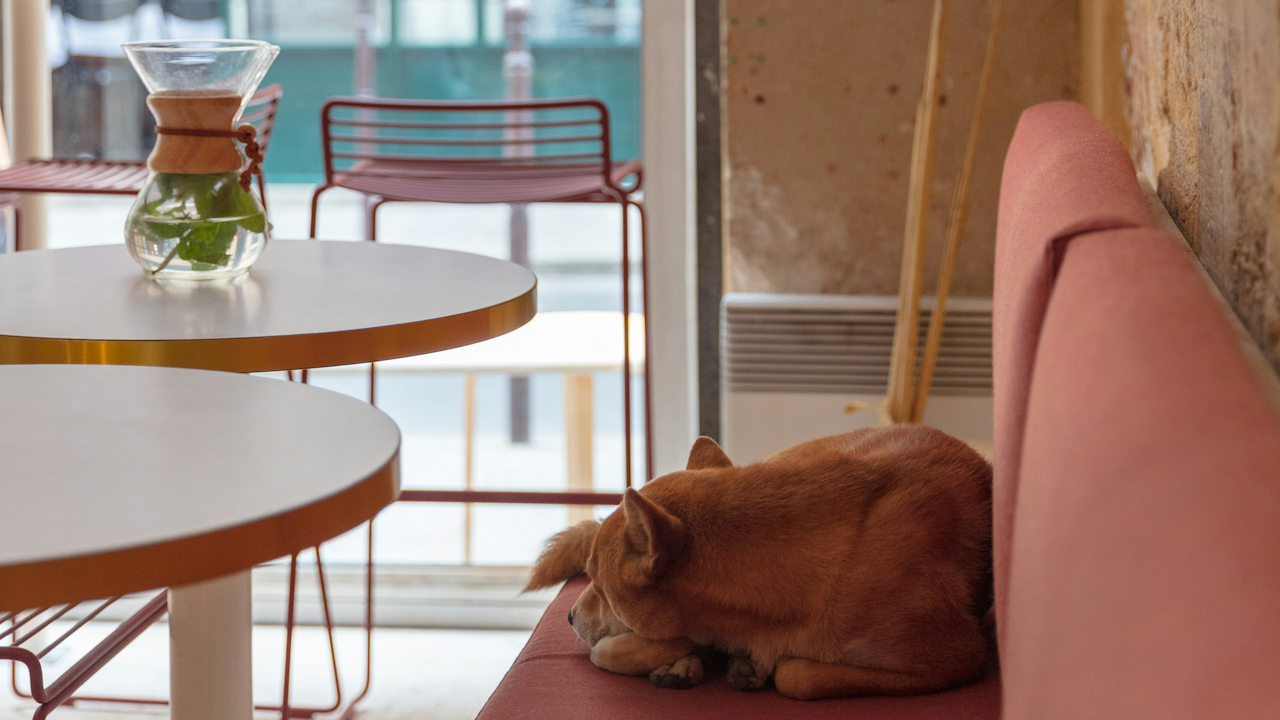
In cities around the world, a quiet revolution has taken place in how people seek companionship and calm. Pet cafés, where visitors can sip coffee while interacting with resident animals, and animal therapy spaces, dedicated environments designed for structured interactions with animals to support emotional well-being, have surged in popularity. These venues blend the everyday ritual of a café visit with the proven soothing effects of animal contact. What began as a niche concept in Asia has evolved into a global phenomenon, driven by shifting social needs, greater awareness of mental health, and a booming pet economy. Today, these spaces offer more than novelty. They provide accessible forms of connection and healing in an increasingly isolated world.
The origins of pet cafés trace back to a single pioneering spot. In 1998, the world’s first cat café, known as Cat Flower Garden, opened its doors in Taipei, Taiwan. It started modestly with just a handful of street cats and struggled initially for customers. A television feature soon turned it into a tourist draw, proving that combining feline companionship with refreshments could captivate people. The idea crossed to Japan shortly afterward. In 2004, the first Japanese cat café, Neko no Jikan, opened in Osaka, followed by Neko no Mise in Tokyo the next year. Japan, with its dense urban living and strict rental policies that often prohibit pets, embraced the concept enthusiastically. Young professionals found relief from stress without the responsibilities of full-time pet ownership. Within a decade, dozens of cat cafés dotted Tokyo alone, and the trend spread to other animals, including dogs, rabbits, and even more exotic species in specialized venues.
From those early Asian roots, pet cafés expanded rapidly across continents. Europe saw its first major example in 2012 with Lady Dinah’s Cat Emporium in London. North America followed in 2014, when Café Chat L’Heureux opened in Montreal as the continent’s inaugural cat café, soon joined by spots like Cat Town in Oakland, California. By the mid-2010s, the model had proliferated to include dog cafés, rabbit cafés, and hybrid animal lounges. In the United States, growth accelerated dramatically after the COVID-19 pandemic. Searches for “cat cafés near me” jumped by more than 78,700 percent between February 2020 and February 2024, while the number of cat cafés nationwide rose from around 75 to over 200. The year 2024 marked a record with 56 new openings, and 2025 continued the momentum with dozens more. Similar patterns emerged elsewhere, fueled by social media sharing of adorable interactions and a broader cultural shift toward viewing animals as emotional supports rather than mere pets.
Animal therapy spaces represent a parallel and sometimes overlapping development. While pet cafés emphasize casual, paid-entry visits with food and drink, therapy spaces focus more deliberately on health outcomes. These include dedicated rooms in hospitals, wellness centers, or community hubs where certified therapy animals, often dogs or cats but sometimes horses or even smaller creatures, interact with visitors under professional guidance. The roots of animal-assisted therapy date back centuries, but modern formal programs gained traction in the mid-20th century. Clinicians noted that patients opened up more readily in the presence of animals, leading to improved communication and reduced emotional barriers. Today, these spaces appear in settings ranging from university counseling centers to senior living facilities and addiction recovery programs. Some pet cafés have incorporated therapy elements, training resident animals for calm interactions and partnering with mental health organizations.
Several factors explain the rapid rise of both pet cafés and animal therapy spaces. Urbanization plays a central role. In major cities, apartment living often restricts pet ownership due to space, noise rules, or landlord policies. These venues offer temporary access to animals without long-term commitment. The loneliness epidemic, highlighted by public health reports in the 2020s, has further propelled demand. Post-pandemic, many people emerged from isolation craving non-judgmental connection. Animals provide that effortlessly through touch, play, and presence. Mental health awareness has also grown. Studies consistently show that brief interactions with animals lower cortisol levels, the hormone linked to stress, while boosting oxytocin, associated with bonding and relaxation. Blood pressure drops, heart rates slow, and feelings of anxiety or depression ease. For individuals facing conditions like post-traumatic stress disorder, autism spectrum disorders, or chronic loneliness, these spaces deliver measurable relief without the stigma sometimes attached to traditional therapy.
The pet economy’s expansion has supplied infrastructure and funding. Global spending on pets reached record highs in the mid-2020s, with projections exceeding 150 billion dollars annually in the United States alone by 2025. This boom includes not just food and veterinary care but experiential services like cafés and therapy programs. Younger generations, particularly millennials and Gen Z, drive much of the demand. Many delay or forgo traditional family structures yet seek nurturing outlets. Pet cafés and therapy spaces fit neatly into busy lifestyles, offering hour-long sessions that fit between work and errands. Social media amplifies visibility. A single viral video of a visitor cuddling a resident cat can fill booking calendars for weeks.
Diversity marks the current landscape. Cat cafés remain the most common, with their calm, low-energy vibe suiting introverted visitors. Dogs bring higher energy to their cafés, encouraging play and exercise that doubles as light physical activity for humans. Rabbit cafés, popular in Japan and parts of Europe, appeal to those seeking gentle, quiet interactions. Some venues have experimented with sheep, hedgehogs, or capybaras, though these raise separate ethical questions. Hybrid models blend café service with adoption centers. Many cat cafés partner with local shelters, housing rescue animals that visitors can meet and potentially adopt. This approach turns casual visits into opportunities for permanent homes. In the United States, chains like Crumbs and Whiskers operate multiple locations, emphasizing rescue and fostering. Therapy spaces often use dogs certified through organizations that train for hospital visits or school programs. Horses in equine therapy programs help participants build confidence through grooming and riding, while smaller animals like guinea pigs suit pediatric or elderly settings where mobility is limited.
The benefits extend beyond immediate relaxation. Regular visitors report improved mood, better sleep, and stronger social ties. In group settings, animals act as icebreakers, reducing awkwardness and fostering conversations among strangers. For children, interactions teach empathy and responsibility. Seniors in therapy spaces experience less isolation, with studies linking animal contact to lower rates of depression in long-term care. Employees in high-stress jobs, such as emergency responders or office workers, find quick resets during lunch breaks at nearby cafés. Pet cafés also support broader animal welfare goals when managed responsibly. Resident animals often receive veterinary care, enrichment, and socialization that might exceed what some home environments provide. Adoption rates climb in cafés that prioritize rescue work.
Yet the rise has not occurred without challenges and valid criticisms. Animal welfare stands as the primary concern. In poorly run venues, constant human interaction can stress animals, leading to behavioral issues or health problems. Cats, naturally solitary, may hide or show signs of anxiety if spaces lack sufficient hiding spots or quiet zones. Exotic animal cafés, featuring owls, reptiles, or small mammals like otters, face even sharper scrutiny. Reports have documented cramped conditions, inadequate enrichment, and links to wildlife trafficking in some cases. In Japan and parts of Asia, where animal protection laws lag behind Western standards, activists have called for stricter oversight. Even domestic animal cafés draw debate. In the United Kingdom, organizations like the RSPCA and Cats Protection have urged local authorities to phase out or deny new licenses, arguing that commercial settings rarely meet animals’ full needs for space, choice, and rest. Hygiene regulations add complexity. Separate areas for food service and animal zones are mandatory in many places to prevent contamination, yet enforcement varies.
Regulations have evolved in response. Some cities require licensing similar to pet shops or boarding facilities, with regular inspections for sanitation, animal numbers per square footage, and veterinary records. Ethical operators emphasize transparency, allowing animals to opt out of interactions and providing ample enrichment like climbing structures and toys. Therapy spaces often adhere to higher standards through certification programs that screen animals for temperament and health. Critics argue that profit motives can clash with welfare, especially in high-volume tourist spots. Supporters counter that well-designed venues outperform traditional shelters for some animals by offering stimulating environments and exposure to potential adopters. The debate underscores the need for balance. Not every venue prioritizes animals equally, and consumers increasingly research reviews and policies before visiting.
Looking ahead, pet cafés and animal therapy spaces appear poised for continued growth but with greater emphasis on ethics and integration. The pet wellness trend, already a major driver of industry spending, suggests more hybrid models that combine casual cafés with professional therapy sessions. Technology may play a role, such as apps for booking or virtual reality previews, though the core appeal remains tactile and real-world. Sustainability efforts could emerge, with eco-friendly designs and plant-based menus appealing to environmentally conscious visitors. In workplaces and schools, on-site therapy spaces might become standard perks, much like wellness rooms today. Global expansion will likely favor regions with high pet ownership rates and mental health focus, including expanding markets in Latin America and Southeast Asia.
Ultimately, the appeal of these spaces lies in their simplicity and power. In a fast-paced, screen-dominated era, they remind people of the restorative value of living connections. A few minutes petting a purring cat or watching a dog fetch a toy can shift perspective, ease tension, and foster a sense of belonging. As societies grapple with rising mental health challenges and fragmented communities, pet cafés and animal therapy spaces offer an antidote that feels both modern and timeless. Their continued success will depend on responsible practices that honor the animals at their heart. When done right, these venues do not merely entertain. They heal, connect, and remind us of the profound bonds possible between humans and animals. The trend shows no signs of slowing, promising more opportunities for joy and support in the years to come.