

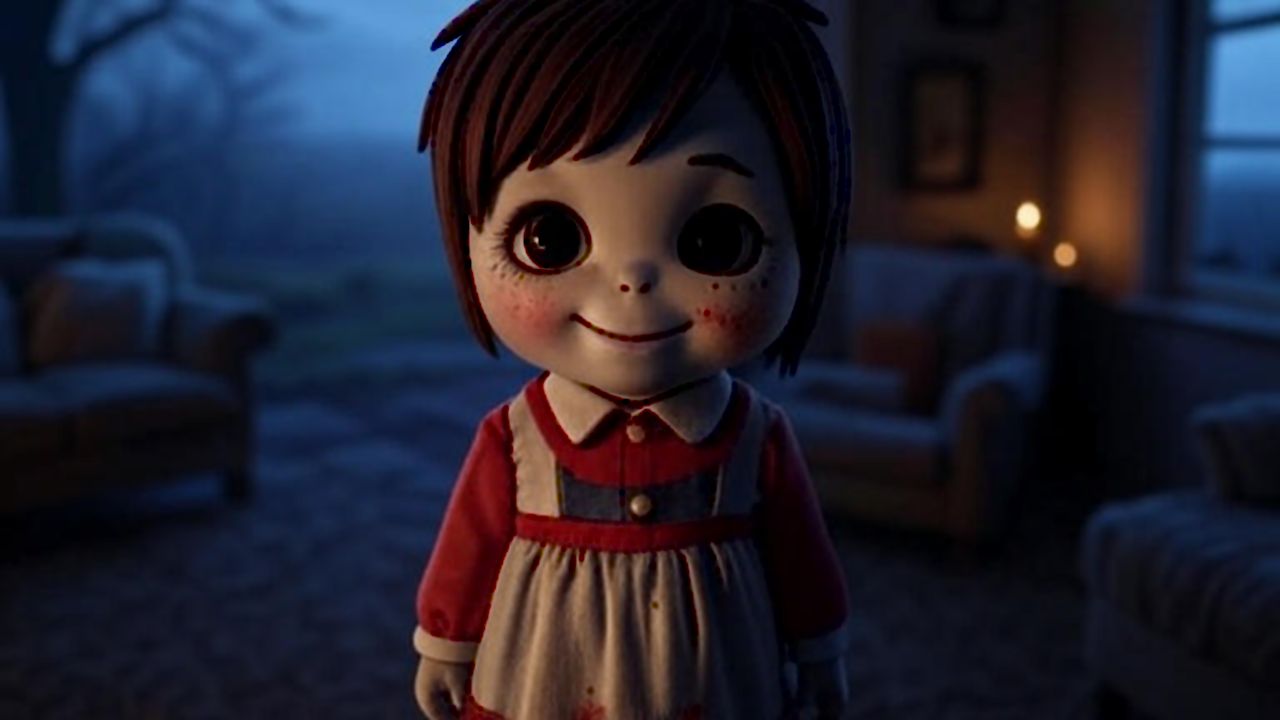
In recent years, a curious blend of gaming experiences has captured the attention of players seeking something a little different from traditional horror or pure relaxation simulators. This emerging category, often called cozy horror, mixes the warm, comforting elements of cozy games with subtle creeps, eerie atmospheres, and light scares. These titles wrap unsettling stories or visuals in pastel colors, charming characters, and low-stakes gameplay loops that feel inviting rather than overwhelming. Instead of relentless tension or graphic violence, cozy horror offers a gentle thrill, perfect for those who enjoy the spooky season without wanting to lose sleep.
Cozy games as a broader genre exploded in popularity during the early 2020s, driven by hits that emphasized calm activities like farming, crafting, decorating, and building relationships. Players found solace in virtual worlds where failure carried little consequence and daily routines brought satisfaction. Yet many gamers craved a touch of darkness amid the comfort. Cozy horror fills that gap by layering familiar cozy mechanics with mysterious narratives, abandoned settings, or supernatural twists. The result is a genre that feels like curling up with a blanket while a gentle fog rolls in outside the window.
The appeal lies in its psychological balance. Traditional horror often relies on high anxiety, jump scares, and survival pressure. Cozy horror, by contrast, builds dread slowly through exploration, quirky dialogue, and environmental storytelling. It lulls players into a sense of safety before introducing unease, making the creepy moments land with greater impact. This approach resonates especially with audiences who appreciate horror aesthetics but prefer manageable tension. Many titles feature cute art styles, soothing soundtracks, and optional challenges, allowing players to engage at their own pace.
Several factors have fueled the rise of cozy horror. The global success of pure cozy titles created a large audience hungry for variety. Developers noticed that players enjoyed darker themes when presented softly, leading to hybrid experiments. Economic and cultural shifts also played a role, as people sought escapism that mirrored real-world uncertainties without amplifying them. Streaming platforms and social media amplified the trend, with creators sharing playthroughs that highlighted the charming yet unsettling moments. By the mid-2020s, cozy horror had moved from niche indie releases to a recognizable subgenre with dedicated communities.
One of the earliest and most influential examples is Dredge. In this game, players take on the role of a fisherman in a quiet coastal town. Days involve peaceful sailing, casting lines, and selling catches, much like a relaxed simulation. Nights, however, bring fog-shrouded waters filled with strange creatures and eldritch horrors inspired by cosmic dread. The contrast between sunny daytime routines and nocturnal terrors creates a compelling rhythm. Upgrades to the boat and equipment add light progression, while the story unfolds through interactions with eccentric locals. Dredge proves that fishing can feel both therapeutic and foreboding, drawing players back for just one more expedition.
Another standout is Cult of the Lamb. Here, players control a lamb resurrected by a dark deity and tasked with building a cult in a woodland setting. The gameplay blends base management, resource gathering, and adorable follower interactions with roguelike dungeon crawls against heretics. The art style is bright and cartoonish, with expressive characters and whimsical animations. Yet beneath the cuteness lies themes of sacrifice, indoctrination, and moral ambiguity. Combat is fast-paced but not overly punishing, and the hub world offers cozy customization options like decorating the temple or tending gardens. The blend of management sim warmth and ritualistic horror makes it a frequent recommendation for fans of the genre.
Beacon Pines delivers a narrative-driven experience wrapped in storybook charm. Players explore a small town through the pages of a literal book, influencing branching paths by collecting words that alter the tale. The visuals evoke classic children’s illustrations, complete with anthropomorphic animals and vibrant environments. Mysteries involving disappearances and hidden secrets introduce tension, but the tone remains light and heartfelt. Dialogue is witty, and the sense of uncovering a larger plot feels rewarding without overwhelming dread. It exemplifies how cozy horror can prioritize emotional storytelling over mechanical scares.
Strange Horticulture invites players to run a plant shop in a Victorian-inspired town. Customers request specific flora for various needs, some benign and others tied to occult rituals or personal dilemmas. Identification involves matching descriptions to a catalog of strange specimens, many with eerie properties like inducing visions or warding off spirits. The shop itself serves as a cozy hub, with rain pattering on windows and a warm interior. Uncovering the town’s underlying secrets through plant lore adds layers of intrigue. The gameplay is methodical and relaxing, yet the supernatural undertones create a persistent sense of otherworldliness.
Cozy Grove casts players as a spirit scout on a haunted island. Daily activities include camping, crafting, and helping ghostly bears with their unfinished business. The setting evolves with seasons and player progress, revealing more of the island’s tragic history. Animal Crossing-style mechanics provide comfort through collection and decoration, while ghost stories and emotional revelations add depth. The pastel palette and gentle pacing make it ideal for short sessions, yet the melancholy tales linger in the mind.
Night in the Woods follows Mae Borowski, a young cat returning to her decaying hometown. Exploration involves platforming through vibrant but rundown environments, chatting with friends, and uncovering small-town secrets that hint at larger cosmic or psychological horrors. The art style is expressive and endearing, with strong character writing that blends humor, nostalgia, and unease. Conversations feel intimate, and side activities like guitar practice or dreaming sequences offer quiet respites. The narrative tackles mental health and community decline, using horror elements sparingly but effectively.
Little Misfortune presents a point-and-click adventure starring a cheerful young girl on a quest guided by an imaginary friend. Bright colors and whimsical narration mask darker themes of danger and loss. Puzzles are straightforward, and the player’s choices influence the story’s tone. The contrast between Misfortune’s optimism and the world’s subtle threats creates an unsettling yet captivating experience that stays with players long after completion.
Wytchwood offers potion-brewing and crafting in a fairy-tale world populated by anthropomorphic animals and witches. Players gather ingredients through exploration and light puzzles, then combine them to advance the story. The hand-drawn art and folkloric setting feel inviting, but many recipes and encounters carry macabre twists drawn from classic tales. Resource management remains low-pressure, allowing focus on the charming narrative and clever writing.
Graveyard Keeper provides management simulation with a twist: players maintain a medieval cemetery while dealing with quirky villagers, church politics, and occasional undead visitors. Tasks include digging graves, performing autopsies, and crafting items from harvested resources. The pixel art and humorous tone keep things light, yet the setting inherently carries morbid humor and mild horror elements. Expansions add more depth without shifting the cozy core.
Penko Park reimagines photography mechanics in an abandoned amusement park filled with curious creatures. Players snap pictures to catalog wildlife, much like a relaxed safari game, while piecing together the park’s haunted history. The cute monster designs and serene exploration contrast with subtle eerie details in the environment. It appeals to completionists who enjoy observation-based gameplay with a spooky backdrop.
These titles represent only a portion of the cozy horror landscape. Other notable mentions include Pumpkin Panic, a farming sim where crops and events take unsettling turns during a mysterious season, and games like The Witch’s House, which use simple visuals to deliver surprising narrative shocks. Emerging releases continue to expand the genre, with upcoming projects blending farming sims and murder mysteries or gothic life simulators featuring vampires and supernatural romance.
The future of cozy horror looks bright as developers experiment with new hybrids. Titles on the horizon promise deeper integration of dark themes into familiar loops, such as seasonal farming with hidden killers or exploration games set in dreamlike forests. Increased visibility through events like Wholesome Directs and community discussions on platforms ensures more players discover these experiences. Accessibility features, short play sessions, and cross-platform availability further broaden the audience.
What makes cozy horror enduring is its emotional versatility. It allows players to confront fears in a controlled, often whimsical manner, providing catharsis without exhaustion. For some, it serves as a gateway to heavier horror; for others, it stands alone as comfort entertainment with edge. The cute aesthetics disarm defenses, letting creepy elements seep in gradually and meaningfully.
If you are new to the genre, start with shorter experiences like Strange Horticulture or Beacon Pines to test your comfort level. Those seeking more management depth might enjoy Dredge or Cult of the Lamb. Narrative fans will appreciate Night in the Woods or Little Misfortune. Each offers unique flavors of the cute-but-creepy formula, ensuring there is something for every mood during crisp evenings or rainy afternoons.
Cozy horror reminds us that fear and comfort need not be opposites. In a world full of high-intensity entertainment, these games provide a gentle invitation to explore the shadows while keeping a warm light nearby. As the genre continues to grow, it invites more creators and players to redefine what it means to feel both charmed and chilled. Pick up one of these titles, settle in with your favorite drink, and let the subtle creeps unfold. You might just find yourself hooked on the perfect balance of sweet and sinister.