

In the quiet corners of apartments across the world, a musical revolution has taken hold. By 2025, bedroom pop has evolved from a niche curiosity into one of the dominant forces in contemporary music. Artists armed with nothing more than laptops, affordable microphones, and free software are crafting tracks that top streaming charts, fill arenas, and resonate deeply with millions. This is not the polished product of multimillion-dollar studios. Instead, it is music born in intimate spaces, where the hum of a laptop fan or the faint echo of a room’s acoustics becomes part of the texture. The rise of bedroom pop reflects broader shifts in technology, culture, and the music industry itself. It democratizes creation, prioritizes emotional honesty, and proves that professional-grade results no longer require professional facilities. As we examine this phenomenon in 2025, it becomes clear that recording from home has not only sustained the genre but propelled it to new heights.
Bedroom pop traces its roots to the late 2010s, when a wave of young artists began uploading raw, home-recorded songs to platforms like SoundCloud and YouTube. Figures such as Clairo, whose 2018 track “Pretty Girl” was made entirely in her bedroom using GarageBand, captured the essence early on. The sound was intimate and unfiltered: soft vocals layered over lo-fi beats, with lyrics that felt like excerpts from a personal diary. Similar breakthroughs came from Beabadoobee with her dreamy “Coffee,” mxmtoon, and Rex Orange County. These artists embraced imperfections, such as background noise or slightly off-pitch harmonies, turning them into stylistic hallmarks rather than flaws. What started as a DIY experiment among teenagers and college students quickly gained traction because it felt authentic in an era of overproduced pop anthems.
The genre’s true explosion, however, coincided with the global events of the early 2020s. The COVID-19 pandemic forced musicians worldwide into isolation, accelerating a shift that was already underway. With recording studios closed and live performances halted, home setups became the only viable option. Laptops and basic digital audio workstations (DAWs) allowed creators to experiment freely without external pressures. Social media platforms, particularly TikTok, amplified this growth by turning short snippets of bedroom recordings into viral sensations. A 15-second clip of a heartfelt chorus could reach millions overnight, bypassing traditional gatekeepers like record labels and radio programmers. By the mid-2020s, this momentum had carried bedroom pop into the mainstream, making it the soundtrack for a generation navigating anxiety, identity, and digital overload.
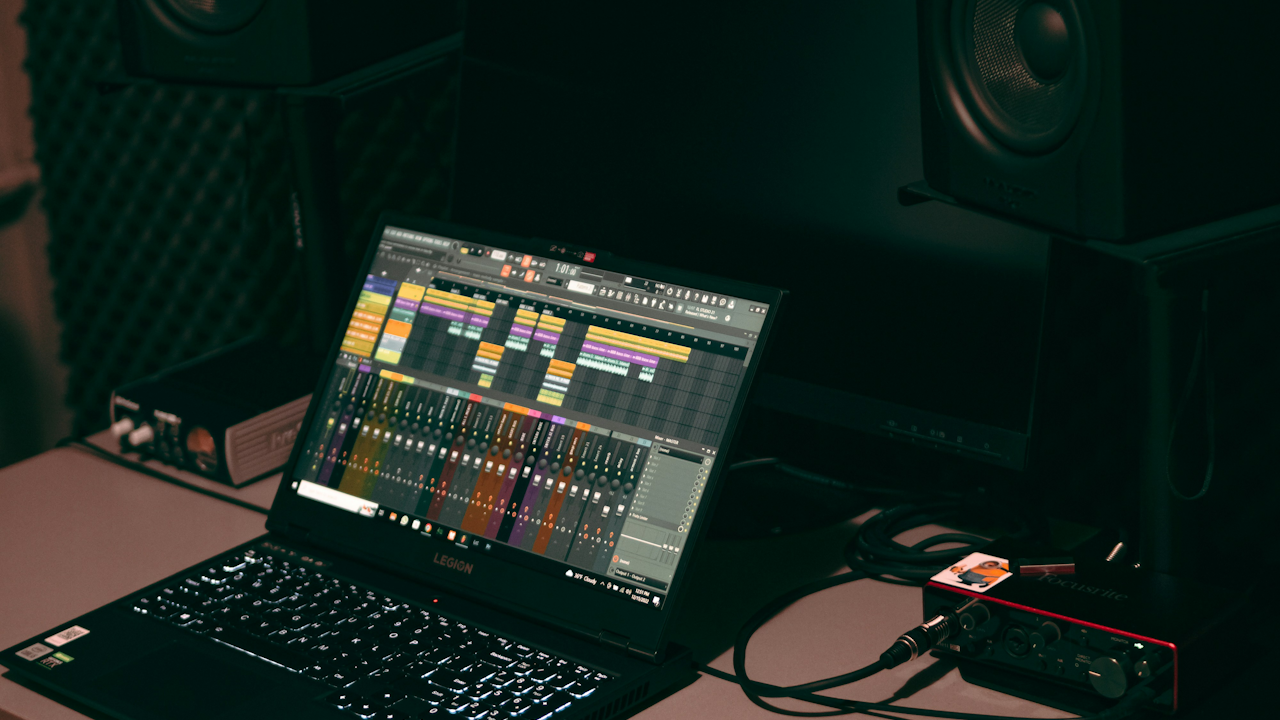
At the heart of bedroom pop’s endurance in 2025 lies the accessibility of recording technology. Home studios that once required thousands of dollars in equipment now demand far less. A typical setup includes a MacBook or Windows laptop running free or low-cost DAWs such as GarageBand, Logic Pro, or Ableton Live. These programs have become remarkably sophisticated, offering multitrack recording, virtual instruments, and effects that rival professional studios from a decade ago. Artists layer vocals, program drums, and add synths all from a single device. Affordable hardware complements this: USB audio interfaces like the Focusrite Scarlett 2i2, costing around 150 euros, provide clean inputs for microphones and instruments. Condenser mics, such as the sE Electronics X1A priced near 100 euros, capture nuanced performances without breaking the bank.
What sets 2025 apart is the integration of artificial intelligence into these home workflows. AI-powered tools embedded in DAWs now assist with everything from generating chord progressions to suggesting mixes and mastering tracks. Programs like Suno have introduced browser-based AI environments where producers can create stems, edit in real time, and refine ideas instantly. Logic Pro and FL Studio have added neural assistants that analyze a user’s style and automate repetitive tasks, freeing artists to focus on creativity. Plugins for reverb, such as Valhalla, or synth libraries from Arturia, add depth with minimal processing power. The result is music that retains its homemade charm while achieving broadcast-quality polish. Room acoustics, once a limitation, are now embraced or corrected through software, allowing a closet vocal booth or a treated bedroom corner to yield professional results.
This technological empowerment has fostered a signature sound that defines bedroom pop. Tracks often feature washed-out vocals drenched in reverb, soft 808 bass lines, and reverb-heavy guitars or pianos. Production remains sparse and intimate, prioritizing atmosphere over density. Lyrics delve into personal territory: therapy sessions, queer identity, climate anxiety, burnout, and the quiet joys of young love. The imperfection is intentional. Listeners hear breathing between phrases, the creak of a chair, or faint static from a less-than-ideal recording chain. These elements create a sense of closeness, as if the artist is confiding directly in the audience. In contrast to the high-gloss perfection of earlier pop eras, bedroom pop in 2025 celebrates vulnerability. It feels like a voice note from a friend rather than a stadium-sized declaration.
Several artists exemplify this evolution in 2025. Clairo continues to bridge bedroom origins with wider appeal, her early GarageBand experiments influencing a new cohort. Beabadoobee has refined her lo-fi daydreams into more expansive arrangements while preserving the core intimacy. Emerging talents like Sombr have taken the genre to arenas; his track “back to friends” amassed over 1.3 billion streams on Spotify, leading to sold-out shows at venues like Madison Square Garden. Newer releases, such as Nourished by Time’s The Passionate Ones and Melt’s Not for Radio, highlight the genre’s vitality on platforms like RateYourMusic. Artists including d4vd, Gigi Perez, PinkPantheress, and Sarah Kinsley push boundaries with hybrid styles that blend bedroom aesthetics with electronic or hyperpop elements. Even established names like Gracie Abrams and Phoebe Bridgers incorporate bedroom-pop DNA, proving the approach’s versatility. These creators often start solo in home setups before collaborating with producers for final mixes, maintaining control over their vision.
The impact on the music industry has been profound. Bedroom pop has democratized success, reducing reliance on expensive studios and label advances. By 2026 projections based on 2025 trends, bedroom-associated artists are expected to claim 23 percent of U.S. Top 40 chart entries, a sharp rise from under 3 percent five years earlier. Streaming platforms and social media enable direct fan connections, with sync deals for commercials, TV shows, and films providing substantial revenue. Merchandise and touring have become primary income streams, as labels shift toward joint-venture models that allow artists to retain publishing and rights. Traditional gatekeeping has weakened; a viral TikTok snippet can secure a deal or render one unnecessary. This shift has forced major labels to adapt, signing bedroom talents earlier and investing in home-studio-friendly resources.
Yet the rise has not been without challenges. The sheer volume of home-produced music creates intense competition for attention. Discoverability depends on algorithms, leading to short career lifespans for some one-hit wonders. Critics point to a homogenization of sound, as widespread access to the same plugins and templates results in similar textures across releases. Scaling intimacy to live performances presents another hurdle. Artists like Sombr address this by blending laptop sets with full live bands and visual elements such as LED walls, but the translation from bedroom to arena requires careful curation. Mental health considerations also arise; the solitary nature of home recording can amplify isolation for creators already exploring heavy themes in their work.
Culturally, bedroom pop’s resonance in 2025 stems from its alignment with Gen Z values. In a world of overstimulation and curated online personas, this music offers respite. It provides emotional validation for a generation raised on therapy-speak and digital connectivity. Playlists titled variations of “Bedroom Pop 2025 Radar” on Spotify dominate study sessions, late-night drives, and rainy afternoons. The genre’s lo-fi aesthetics evoke nostalgia for simpler times while addressing modern complexities. It has seeped into film soundtracks and fashion collaborations, extending its influence beyond audio. For many listeners, it serves as both entertainment and emotional anchor, reinforcing that imperfection and authenticity hold greater power than flawless production.
Looking forward from 2025, bedroom pop shows no signs of fading. Hybrid approaches will likely grow, with artists combining home recording with occasional professional sessions for live elements or advanced mastering. AI will continue to lower barriers further, potentially enabling even more experimental sounds. Global scenes may expand as creators in non-English-speaking regions adapt the style to local languages and traditions. The core principle, however, remains unchanged: music made at home, by individuals, for connection. As laptops become more powerful and tools more intuitive, the bedroom studio stands as a symbol of creative freedom.
In summary, the rise of bedroom pop in 2025 illustrates a fundamental truth about music’s future. Recording from home has empowered a generation to bypass barriers, capture genuine emotion, and build careers on their own terms. What began as a practical necessity has become a cultural movement. As more artists pick up microphones in their personal spaces, the genre will keep evolving, reminding us that the most compelling sounds often emerge not from grand stages but from the most ordinary rooms. The laptop hums on, the ideas flow freely, and the music continues to connect us in ways that feel profoundly, enduringly human.