

The movie musical has long been one of Hollywood’s most beloved yet volatile genres. From the joyous tap-dancing spectacles of the 1930s to the lavish Broadway adaptations of the 1960s, musical films have captured audiences with their blend of song, dance, and storytelling. Yet the genre has also endured prolonged periods of decline, marked by expensive flops and shifting audience tastes. In the 2020s, signs of a genuine resurgence have emerged, highlighted by major hits such as Wicked and its sequel. This raises an important question: Is the return of the movie musical sustainable, or is it another fleeting cycle in a genre known for boom-and-bust patterns?
To understand the current moment, it helps to trace the history of movie musicals. The genre’s golden age began in the late 1920s with the advent of sound in cinema. Films like The Jazz Singer (1927) introduced synchronized song and dialogue, paving the way for extravagant productions at studios such as MGM and Warner Bros. During the 1930s and 1940s, stars like Fred Astaire, Ginger Rogers, Judy Garland, and Gene Kelly defined the form. Classics such as Top Hat (1935), Singin’ in the Rain (1952), and An American in Paris (1951) combined intricate choreography, memorable scores, and optimistic narratives that offered escapism during the Great Depression and World War II. These films were not merely vehicles for songs; the music advanced the plot and revealed character emotions in ways spoken dialogue could not.
The post-World War II era brought even greater ambition. Broadway hits were faithfully adapted for the screen, often with lavish budgets and Technicolor visuals. South Pacific (1958), Gigi (1958), and West Side Story (1961) exemplified this approach, earning critical acclaim and box-office success. The 1960s marked a peak, with four musicals winning the Academy Award for Best Picture in that decade alone: West Side Story, My Fair Lady (1964), The Sound of Music (1965), and Oliver! (1968). These films benefited from strong source material, star power, and a cultural appetite for grand entertainment.
By the late 1960s and 1970s, however, the genre began to falter. Changing social attitudes favored grittier, more realistic cinema. Expensive productions like Hello, Dolly! (1969) and Paint Your Wagon (1969) underperformed, signaling studio caution. The rise of rock music and counterculture made traditional show tunes feel outdated to younger audiences. While occasional successes appeared, such as Cabaret (1972) and Grease (1978), the output of big-budget live-action musicals slowed dramatically. Animated musicals from Disney continued to thrive, but the live-action form largely retreated.
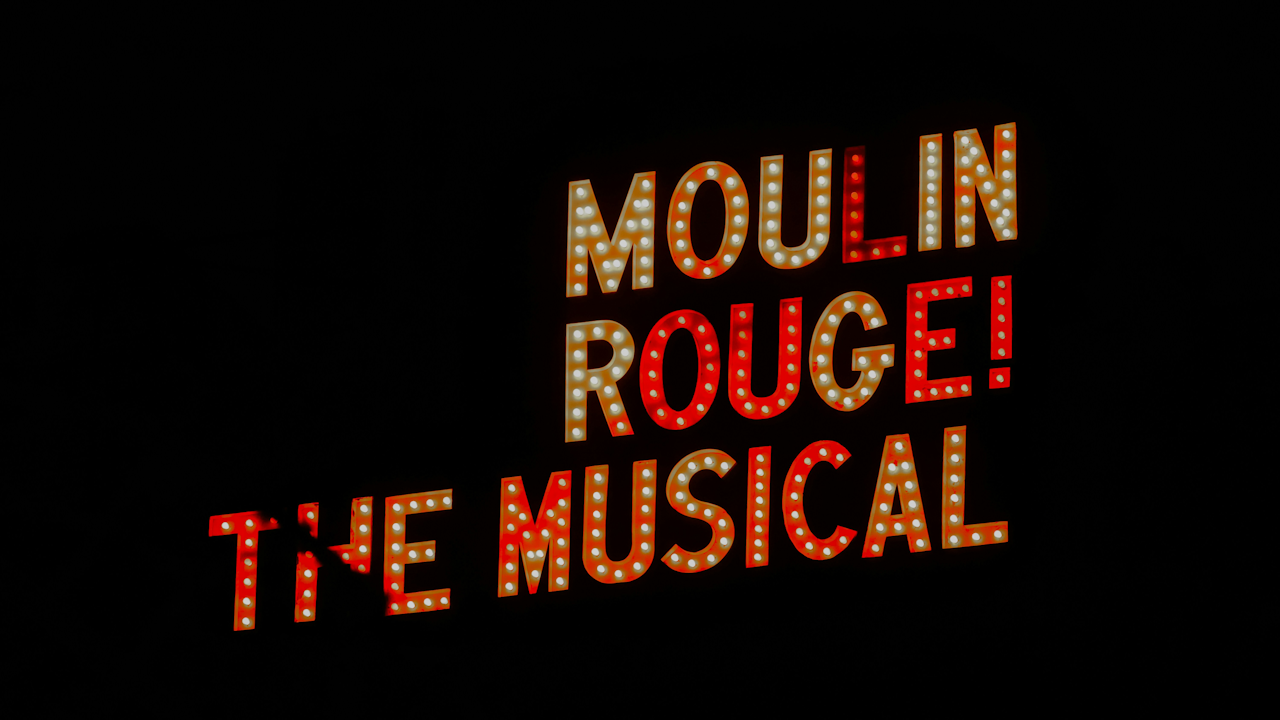
A modest revival occurred in the early 2000s. Chicago (2002) won the Best Picture Oscar and demonstrated that clever direction and strong performances could make musical numbers feel cinematic rather than stage-bound. Moulin Rouge! (2001) brought a frenetic, pop-infused energy with its jukebox soundtrack. These films proved that musicals could appeal to contemporary viewers when updated with modern sensibilities. Yet follow-ups were inconsistent. Dreamgirls (2006) found moderate success, but many other efforts struggled to connect broadly.
The 2010s offered mixed results. Les Miserables (2012) earned multiple Oscar nominations thanks to its raw, live-sung approach. La La Land (2016) became a cultural phenomenon, blending original songs with romantic nostalgia and earning 14 Oscar nominations. Its success suggested that original movie musicals could still resonate if they balanced innovation with accessibility. However, other projects, including The Greatest Showman (2017), succeeded more through soundtrack popularity than theatrical dominance.
The 2020s began amid the challenges of the COVID-19 pandemic, which disrupted theatrical releases and accelerated the shift toward streaming. Early entries faced hurdles. In the Heights (2021), directed by Jon M. Chu and based on Lin-Manuel Miranda’s stage musical, received critical praise for its vibrant depiction of Washington Heights but earned only about 45 million dollars worldwide against a 55 million dollar budget. Steven Spielberg’s ambitious remake of West Side Story (2021) similarly underperformed commercially despite strong reviews. Dear Evan Hansen (2021) struggled with audience reception, partly due to casting and tonal choices. These outcomes fueled skepticism about whether movie musicals could thrive in a fragmented entertainment landscape.
Yet momentum built through smaller or hybrid successes. Matilda: The Musical (2022), Tick, Tick… Boom! (2021), and Guillermo del Toro’s Pinocchio (2022) showcased creative approaches, often finding audiences via streaming or targeted releases. Wonka (2023), a prequel with original songs, and the Mean Girls (2024) musical adaptation performed solidly by leaning into family appeal and clever marketing, even if trailers sometimes downplayed the singing to avoid alienating viewers. These films hinted at broader interest but also revealed ongoing challenges in convincing general audiences to embrace characters bursting into song.
The true turning point arrived with Wicked (2024), the first part of Universal’s two-film adaptation of the long-running Broadway hit. Directed by Jon M. Chu and starring Cynthia Erivo as Elphaba and Ariana Grande as Glinda, the film combined dazzling visuals, powerful performances, and faithful yet cinematic renditions of Stephen Schwartz’s score. It grossed over 750 million dollars worldwide, surpassing Mamma Mia! (2008) to become the highest-grossing film adaptation of a Broadway musical at the time. Its sequel, Wicked: For Good (2025), opened even stronger, with a domestic debut exceeding 140 million dollars and cumulative worldwide earnings surpassing 500 million dollars in relatively short order. These results demonstrated that when executed with star power, high production values, and respect for the source material, movie musicals could dominate the box office in an era dominated by franchises and spectacles.
Several factors explain this resurgence. First, nostalgia plays a significant role. Many audience members who grew up with Broadway tours or family viewings of classic musicals on television now form a ready-made market. Wicked benefited enormously from its established fan base, much as The Sound of Music did decades earlier. Second, advancements in filmmaking technology allow directors to integrate musical numbers more seamlessly into realistic or fantastical worlds. CGI, dynamic camerawork, and sophisticated sound design make songs feel less like stage interruptions and more like natural extensions of emotion and narrative.
Third, the influence of social media and short-form video platforms has amplified musical content. Clips from Wicked, La La Land, and even older films circulate widely on TikTok and similar services, exposing younger viewers to show tunes and dance sequences in digestible formats. This virality helps build anticipation and cultural conversation that traditional marketing alone cannot achieve. Additionally, the success of jukebox musicals and biopics, such as Rocketman (2019) and Elvis (2022), has blurred lines between straight drama and musical storytelling, making the genre feel more flexible.
Streaming services have also contributed, albeit with caveats. Platforms like Netflix, Disney Plus, and Amazon Prime have greenlit or distributed musical projects that might not have secured wide theatrical releases. This provides opportunities for experimentation, as seen with animated offerings or smaller-scale live-action efforts. However, streaming cannot fully replicate the communal thrill of a theatrical screening, where audiences laugh, applaud, or gasp together during big production numbers. Data suggests that films with strong theatrical runs often perform better even in their later streaming windows, as the initial big-screen event creates lasting cultural impact.
Despite these positives, significant challenges remain. One persistent issue is audience conditioning. Modern viewers, accustomed to realistic dialogue-driven films or action blockbusters, sometimes react with discomfort or confusion when characters suddenly sing their feelings. Marketing for recent musicals has occasionally minimized the singing element in trailers, only for audiences to express surprise or dissatisfaction in theaters. This highlights a marketing tightrope: how to attract non-fans without misleading them about the film’s fundamental nature.
Budget and risk represent another hurdle. High-quality musicals require top-tier vocal talent, choreography, orchestrations, and visual effects, all of which inflate costs. When a project underperforms, as several did in the early 2020s, studios become hesitant to invest again. The genre’s reliance on pre-existing stage properties can also limit originality; while adaptations provide built-in recognition, they risk feeling derivative or failing to translate the live energy of theater to screen.
Competition from other entertainment forms adds pressure. Video games, social media, and prestige television offer alternative ways to experience stories and music. Younger audiences, in particular, may prefer interactive or on-demand content over committing to a two-plus-hour theatrical experience. Moreover, the decline in overall theatrical attendance, accelerated by streaming convenience and rising ticket prices, affects all mid-budget genres, including musicals.
Looking ahead, the pipeline suggests continued activity but not guaranteed dominance. Wicked: For Good has already reinforced the franchise’s strength. Upcoming projects include a Michael Jackson biopic musical, adaptations of Kiss of the Spider Woman, Merrily We Roll Along, and various Disney properties in development. Original ideas or bold reimaginings could expand the genre’s reach, much as La La Land did. Directors like Chu, Spielberg, and others have shown willingness to tackle musical material with fresh perspectives. Success will likely depend on casting charismatic performers who can both act and sing convincingly, crafting stories with universal emotional resonance, and finding the right balance between spectacle and intimacy.
Whether the current return is here to stay ultimately hinges on sustained execution and cultural relevance. Musicals thrive when they reflect or escape the times in compelling ways. In an era of political division, economic uncertainty, and digital isolation, the communal joy of shared song and dance offers genuine appeal. If studios continue to support talented filmmakers who treat the genre with seriousness rather than apology, and if audiences respond by embracing the form in theaters, the movie musical could solidify its place as a recurring rather than occasional presence.
At the same time, the genre’s history teaches humility. Cycles of popularity have come and gone before. The difference today may lie in greater hybridity: musicals that incorporate contemporary music styles, diverse casting, and innovative visuals while honoring the emotional directness that makes the form unique. Streaming can serve as a valuable complement, introducing new viewers and sustaining back catalogs, but the big-screen event remains essential for creating the shared magic that defines great movie musicals.
In conclusion, the return of the movie musical in the 2020s is real and encouraging, anchored by standout successes like Wicked. It is not yet a full renaissance on the scale of the golden age, nor is its permanence assured. The genre faces structural challenges from industry shifts and audience habits, yet it possesses timeless strengths: the power of music to express what words alone cannot, the exhilaration of choreography, and the uplift of stories where hope, love, and resilience take center stage. If creators and audiences continue to invest in these qualities, the movie musical has every chance of remaining a vibrant part of cinema for years to come. The songs are playing again; the question is whether enough people will keep singing along.