

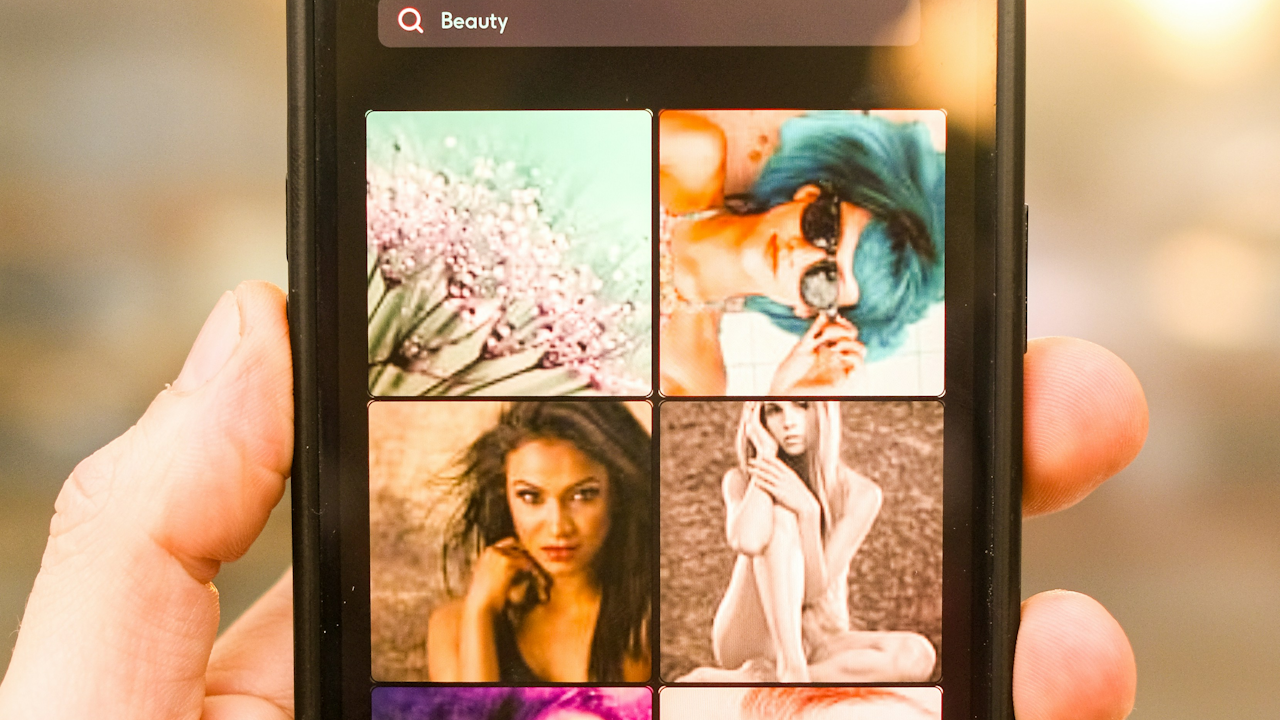
Beauty standards shape how individuals perceive themselves and others, influencing self-worth, social interactions, and mental health across societies. These standards are not merely superficial preferences. They emerge from a complex interplay of evolutionary pressures, cultural norms, cognitive biases, and modern media influences. Understanding the psychology behind them reveals why certain features are deemed attractive, how these ideals affect well-being, and why they persist or shift over time.
Evolutionary Roots of Beauty Perception
Evolutionary psychology provides one of the most robust frameworks for understanding universal elements of attractiveness. Humans, like other species, evolved preferences that signal health, fertility, and genetic fitness because these traits historically enhanced reproductive success. Facial symmetry stands out as a particularly strong cue. Symmetrical faces are often rated as more attractive because they indicate developmental stability and resistance to environmental stressors such as disease or malnutrition.
Clear skin, bright eyes, and full lips similarly signal youth and vitality. For women, a waist-to-hip ratio around 0.7 has been linked across many studies to perceptions of fertility and health. For men, broader shoulders, a narrower waist, and greater height often correlate with assessments of strength and protective capacity. These preferences are not arbitrary. They reflect adaptations shaped by sexual selection, where traits that aided mate choice or rival competition became embedded in human psychology over millennia.
Neuroscience supports these ideas. Viewing attractive faces activates reward centers in the brain, releasing dopamine and generating feelings of pleasure. This hardwired response explains why symmetry and indicators of health feel inherently appealing rather than purely learned. However, evolutionary explanations have limits. They account for broad patterns but cannot fully explain why specific ideals vary dramatically across cultures or why modern standards sometimes contradict biological signals.
The Halo Effect and Social Advantages
One of the most consistent findings in social psychology is the attractiveness halo effect, also known as the “what is beautiful is good” stereotype. People tend to attribute positive personality traits to physically attractive individuals, assuming they are more intelligent, trustworthy, kind, sociable, and successful. This bias influences real-world outcomes in hiring, promotions, legal judgments, and romantic opportunities.
Recent large-scale research across 11 world regions and thousands of participants confirmed that the halo effect operates cross-culturally, though its strength can vary. Attractive people receive preferential treatment in many domains, creating a “beauty premium” that compounds over a lifetime. Conversely, those who deviate from local ideals may face subtle or overt disadvantages, sometimes described as a “beauty tax.”
The halo effect extends beyond first impressions. It shapes how individuals interpret behavior. An attractive person’s mistake may be excused as a fluke, while the same error by someone less attractive might be seen as evidence of deeper flaws. This cognitive shortcut simplifies social navigation but introduces systematic unfairness. It also reinforces the pressure to conform to beauty standards, as the social rewards for meeting them are tangible.
Cultural and Historical Variations in Beauty Ideals
While evolutionary factors create some shared foundations, culture heavily sculpts the specific content of beauty standards. What one society prizes, another may disregard or even devalue. In many Western contexts, thinness has dominated female ideals for decades, amplified by fashion, film, and advertising. In contrast, numerous non-Western and historical societies have associated fuller figures with health, fertility, prosperity, and social status.
African and Pacific Island cultures, for example, have traditionally valued larger body sizes in women as markers of wealth and reproductive capacity. In parts of Asia, pale skin has long signified refinement and avoidance of manual labor, while other regions prize golden or darker tones. Facial features prized in one culture, such as certain eye shapes or nose profiles, may receive less emphasis elsewhere.
Globalization and media export have narrowed some of these differences. Exposure to Western thin ideals through television, film, and social platforms has increased body dissatisfaction in many non-Western populations, particularly among young women. Acculturation studies show that individuals who adopt Western media norms often report greater desire for thinness even when their traditional cultural ideals differed.
Historical shifts within single cultures further illustrate plasticity. The fuller-figured ideal of Renaissance Europe gave way to slimmer silhouettes in later centuries. The 1920s flapper look emphasized boyish figures, while mid-20th-century preferences celebrated curves. These changes demonstrate that beauty standards are not fixed biological imperatives but socially negotiated constructs that respond to economic conditions, gender roles, and technological developments.
The Role of Media and Social Media in Shaping Standards
Mass media has long amplified and sometimes distorted beauty ideals, but social media has intensified the process dramatically. Platforms such as Instagram, TikTok, and YouTube flood users with highly curated, often digitally altered images. Filters, editing apps, and strategic posing create an illusion of effortless perfection that rarely exists offline.
Constant exposure triggers upward social comparison. Users compare their unfiltered selves to the polished highlight reels of others, leading to feelings of inadequacy. Research consistently links higher social media use with increased body dissatisfaction, reduced self-esteem, anxiety about appearance, and greater risk of disordered eating. One experimental study found that reducing social media use by half for a few weeks produced measurable improvements in how young adults felt about their weight and overall appearance.
The problem compounds because algorithms reward content that aligns with narrow aesthetic trends. Viral challenges, “Instagram face” aesthetics, and influencer culture homogenize looks across regions. What begins as individual aspiration quickly becomes collective pressure. Young people, whose identities are still forming, prove especially vulnerable. Repeated exposure to edited images distorts perception of normal human variation, contributing to body dysmorphia in severe cases.
Traditional media shares responsibility. Advertising, fashion magazines, and entertainment have historically promoted unrealistic thin ideals and youthful appearances. The cumulative effect is a cultural environment in which natural aging, diverse body shapes, and ordinary features are subtly framed as problems requiring correction through products, procedures, or extreme dieting.
Psychological and Mental Health Consequences
The psychological toll of rigid beauty standards is substantial. Internalization of unattainable ideals correlates with lower self-esteem, chronic body dissatisfaction, anxiety, depression, and social withdrawal. Individuals may engage in constant self-surveillance, monitoring their appearance as if under external judgment.
Eating disorders, including anorexia, bulimia, and binge-eating disorder, represent extreme manifestations. These conditions carry high morbidity and are strongly associated with pressure to achieve thinness. Body dysmorphic disorder, characterized by obsessive focus on perceived flaws, also rises in environments saturated with idealized imagery. Even those who never develop clinical disorders often experience diminished quality of life, spending excessive time, money, and emotional energy on appearance management.
The effects are not limited to women. Men increasingly report pressure to achieve muscularity, leanness, or specific facial aesthetics, fueled by fitness influencers and action-hero imagery. While prevalence remains higher among females, male body image concerns have grown noticeably in recent decades.
Social isolation can result when individuals avoid situations where they feel their appearance will be judged. Relationships suffer when self-worth becomes contingent on meeting external standards rather than intrinsic qualities. The cycle is self-perpetuating: dissatisfaction drives more comparison and more attempts at correction, which rarely deliver lasting satisfaction.
Gender Differences and Prescriptive Norms
Beauty standards operate differently by gender. Women face particularly intense prescriptive beauty norms, the expectation that they must actively pursue and maintain attractiveness to fulfill social roles. Research suggests these norms partly function to reinforce gender hierarchies by tying women’s value to appearance rather than competence or achievement.
This leads to self-objectification, in which women adopt an external observer’s perspective on their own bodies. The result is heightened body shame, appearance anxiety, and reduced cognitive resources for other tasks. Men, while subject to increasing pressures around muscularity and grooming, historically faced less prescriptive emphasis on beauty as a core component of identity.
These gendered patterns intersect with other social categories. Women of color often navigate additional layers of expectation shaped by both mainstream and community-specific ideals. Socioeconomic status influences access to the products, procedures, and time required to approximate dominant standards, creating further stratification.
Individual Differences and Resilience Factors
Not everyone internalizes beauty standards to the same degree. Personality traits such as high self-esteem, secure attachment, and critical thinking skills buffer against media influence. Media literacy, the ability to recognize constructed and edited images, reduces negative effects. Supportive social environments that value diverse attributes beyond appearance also foster resilience.
Age matters. Adolescents and young adults, navigating identity formation, show heightened vulnerability. Older adults sometimes report greater acceptance of natural changes, though anti-aging marketing targets this group aggressively. Cultural identification can serve as a protective factor when traditional values emphasize character, family, or community over physical aesthetics.
Challenging and Changing Beauty Standards
Movements such as body positivity and body neutrality push back against narrow ideals. They promote acceptance of diverse bodies and challenge the assumption that thinness or conventional attractiveness equals health or moral worth. Media literacy programs in schools and communities teach critical consumption of images. Some platforms have introduced labeling for edited content or restricted extreme thinspiration material.
Reducing overall social media engagement, curating feeds to include diverse representations, and focusing on functionality rather than aesthetics offer practical strategies. Therapeutic approaches such as cognitive behavioral therapy help individuals challenge distorted beliefs about appearance and decouple self-worth from looks.
Change is possible but slow. The economic interests of the beauty, fashion, diet, and cosmetic surgery industries exert powerful counter-pressure. Genuine progress requires both individual psychological work and broader cultural shifts in how success, value, and attractiveness are defined.
Conclusion
The psychology of beauty standards reveals a tension between ancient adaptive mechanisms and contemporary cultural forces. Evolutionary predispositions toward symmetry and health cues provide a foundation, yet culture, media, and cognitive biases dramatically amplify and distort these foundations. The resulting ideals confer real social advantages through the halo effect while exacting significant psychological costs in the form of dissatisfaction, anxiety, and disordered behavior.
Recognizing these dynamics does not eliminate the human desire to feel attractive. It does, however, allow for more conscious navigation of pressures that are often invisible until examined. By understanding the origins and mechanisms of beauty standards, individuals and societies can move toward definitions of worth that rest less heavily on appearance and more firmly on character, capability, and connection. The mind’s perception of beauty is powerful, but it is also malleable. Awareness remains the first step toward greater freedom from its most constraining effects.