

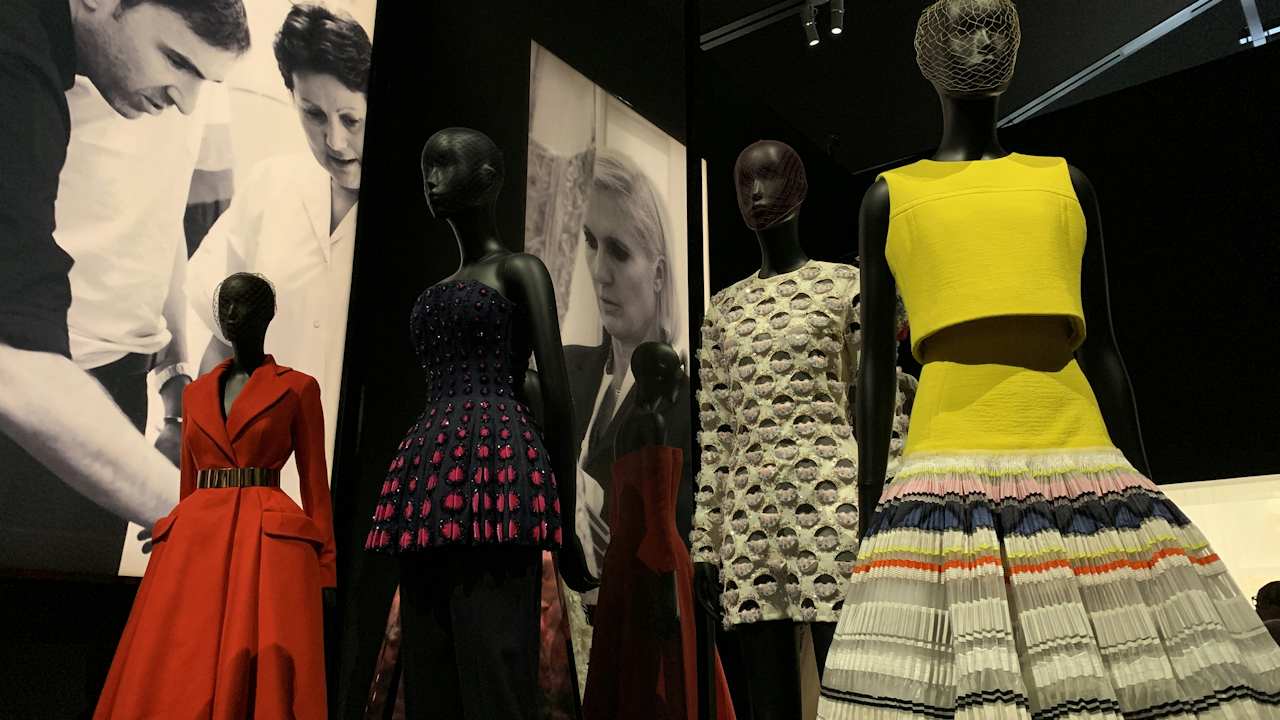
Color has always served as one of the most immediate and powerful tools in fashion. A single hue can signal status, mood, rebellion, or conformity before a single word is spoken. Yet the forces that drive color trends extend far beyond aesthetic preference or seasonal whims. They tap into deep psychological processes that shape how people perceive themselves, others, and the world around them. Understanding these mechanisms reveals why certain colors surge in popularity at specific moments and why they eventually fade, only to reemerge when societal conditions align once again.
At its core, color psychology rests on a blend of biology, culture, and learned association. Human vision evolved to detect subtle differences in hue for survival reasons. Warm colors such as red and orange historically signaled ripeness, danger, or vitality, while cooler tones like blue and green suggested safety, water, or vegetation. These primal responses persist in modern brains. Studies consistently show that exposure to red increases heart rate and perceived urgency, which explains its frequent use in evening wear or bold accessories that demand attention. Blue, by contrast, lowers physiological arousal and fosters feelings of calm and trustworthiness, making it a staple in professional attire and everyday basics that consumers return to year after year.
These biological anchors interact with cultural layers that evolve over time. In Western societies, white has long symbolized purity and new beginnings, which is why it dominates bridal collections. In parts of East Asia, the same color traditionally conveys mourning, prompting designers targeting global markets to navigate these contrasts carefully. Black carries associations of sophistication and power in many contexts but can also evoke grief or minimalism depending on the era and audience. Fashion designers and trend forecasters must therefore balance universal reactions with regionally specific meanings to create pieces that resonate across borders.
The fashion industry amplifies these psychological effects through deliberate timing and repetition. Trends rarely emerge in isolation. They often mirror collective emotional states shaped by broader events. During periods of economic uncertainty or social upheaval, consumers gravitate toward neutral palettes such as beige, gray, and soft taupe. These shades feel grounding and low-risk, allowing wearers to blend in rather than stand out. The 1970s, marked by oil crises and political disillusionment, saw a surge in earth tones and muted greens that echoed a desire for stability and connection to nature. By the 1980s, as economies rebounded and individualism flourished, bright primaries and electric neons took over runways. Shoulder pads in vivid crimson or electric blue projected confidence and ambition, colors that psychologically reinforced the era’s emphasis on excess and self-promotion.
Economic cycles continue to influence color choices today. Luxury brands often introduce richer jewel tones such as emerald, sapphire, and amethyst during boom times because these hues evoke abundance and rarity. Fast-fashion retailers, meanwhile, flood shelves with trend-driven pastels or saturated brights that encourage impulse purchases. The psychological appeal here lies in novelty and instant gratification. Bright colors trigger dopamine responses similar to those activated by new experiences, making shoppers more likely to buy items they might not need simply because the shade feels fresh and exciting.
Social and technological forces further accelerate this cycle. Celebrities and influencers act as powerful transmitters of psychological cues. When a high-profile figure appears in a striking shade, audiences subconsciously associate that color with the wearer’s perceived qualities. A pop star in vibrant yellow might project optimism and energy, prompting fans to adopt the hue as a form of aspirational self-expression. Social media platforms intensify this effect by creating rapid visual feedback loops. A single viral outfit can generate millions of impressions within hours, conditioning viewers to crave the same emotional payoff. Algorithms reward high-contrast, saturated images, which in turn push designers toward bolder palettes that perform well in digital environments.
Pantone’s annual Color of the Year announcement provides a structured case study in how psychology meets marketing. The selection process draws on extensive analysis of global mood, travel patterns, technology, and cultural events. The chosen shade is never arbitrary; it is positioned as a reflection of collective desires. In years following major crises, softer restorative tones often prevail because they promise emotional recovery. Vibrant or unconventional colors tend to surface when society craves disruption or reinvention. Once announced, the color gains psychological legitimacy through sheer repetition across runways, advertising campaigns, and retail displays. Consumers begin to internalize it as the “right” choice for the moment, even if they cannot articulate why.
Individual psychology also plays a decisive role in adoption rates. People use clothing color to regulate their own emotions and project desired identities. Research in environmental psychology demonstrates that wearing certain hues can influence self-perception and even temporary changes in behavior. Someone choosing a power red blazer for an important meeting may feel more assertive because the color reinforces an internal narrative of confidence. Conversely, soft lavender or sage green can serve as a form of emotional armor during stressful periods, offering subtle reassurance. This phenomenon explains the enduring appeal of the little black dress. Beyond its practical versatility, black conveys authority and mystery while allowing the wearer to hide perceived flaws or project an enigmatic persona. It functions as a psychological blank slate onto which any emotion can be projected.
Gender norms have historically shaped color preferences, though these boundaries are increasingly fluid. For decades, pink was marketed as inherently feminine and calming, while blue was deemed masculine and rational. These associations were largely cultural inventions reinforced by advertising and toy industries. Today, designers deliberately subvert them to tap into evolving ideas of identity. Oversized pink tailoring on male models or deep navy dresses with masculine tailoring challenge binary thinking and invite consumers to explore more nuanced self-expression. The psychological reward lies in the sense of agency and authenticity that comes from rejecting rigid color codes.
Cognitive biases further entrench color trends once they take hold. The halo effect causes people to attribute positive qualities to wearers of trending shades. If a color appears on influential figures or in high-end editorials, it gains an aura of sophistication or coolness that extends to anyone who adopts it. Confirmation bias then sustains the trend; once someone purchases an item in the popular hue, they notice it everywhere and feel validated in their choice. This creates a self-reinforcing loop until market saturation breeds fatigue and the cycle resets toward something new.
Designers and brands leverage these mechanisms with remarkable precision. They conduct consumer research that measures emotional responses to specific palettes through focus groups, eye-tracking studies, and biometric feedback. A well-chosen color can increase perceived value of a garment by making it feel more exclusive or emotionally resonant. Consider how certain houses return to signature shades season after season. The consistent use of a particular red or green becomes part of the brand’s psychological identity, triggering instant recognition and loyalty in loyal customers. Limited-edition drops in unexpected colors create urgency and exclusivity, exploiting scarcity principles that heighten desire.
Sustainability concerns are beginning to reshape color psychology in noticeable ways. As awareness of environmental impact grows, consumers associate natural dyes and earth-derived pigments with ethical values. Muted terracotta, ochre, and forest green now carry moral weight alongside their aesthetic appeal. This shift introduces a new layer of psychological satisfaction: the knowledge that a color choice aligns with personal principles. Brands that successfully communicate the story behind their dye processes can command premium pricing because buyers derive emotional fulfillment from contributing to a larger cause.
Looking ahead, several emerging factors will likely intensify the interplay between psychology and color trends. Advances in neuroscience allow for more precise mapping of how specific wavelengths affect brain activity and mood states. Virtual reality fitting rooms and digital fashion may accelerate trend cycles by letting consumers test emotional responses to colors without physical commitment. Personalized algorithms could analyze an individual’s psychological profile, wardrobe history, and current life circumstances to recommend hues that optimize well-being on any given day. At the same time, global events will continue to serve as catalysts. Climate anxiety may drive demand for oceanic blues and regenerative greens, while technological optimism could revive metallic silvers and futuristic neons.
The psychology of color in fashion ultimately reveals a profound truth about human nature. We are not passive recipients of trends; we actively participate in their creation and perpetuation because color offers a direct channel to express complex internal states. Each season’s dominant palette functions as a collective mood ring, reflecting societal hopes, fears, and aspirations. By choosing to wear a particular shade, individuals signal alignment with the prevailing emotional climate or deliberate rebellion against it. Fashion thus becomes both mirror and map of the human psyche, constantly adapting to new realities while drawing on the same ancient wiring that first taught our ancestors to read the colors of their environment for survival.
As long as people seek to communicate identity, status, emotion, and belonging through appearance, color will remain one of the most potent psychological tools at fashion’s disposal. The next major trend will not arrive merely because a designer decreed it fashionable. It will emerge because millions of individuals, consciously or unconsciously, recognize in that hue something that satisfies a current psychological need. Understanding this dynamic allows consumers to approach their wardrobes with greater awareness and empowers creators to craft collections that resonate on levels far deeper than surface beauty. In the end, the colors we wear tell the story of who we are and who we aspire to become, one carefully chosen shade at a time.