

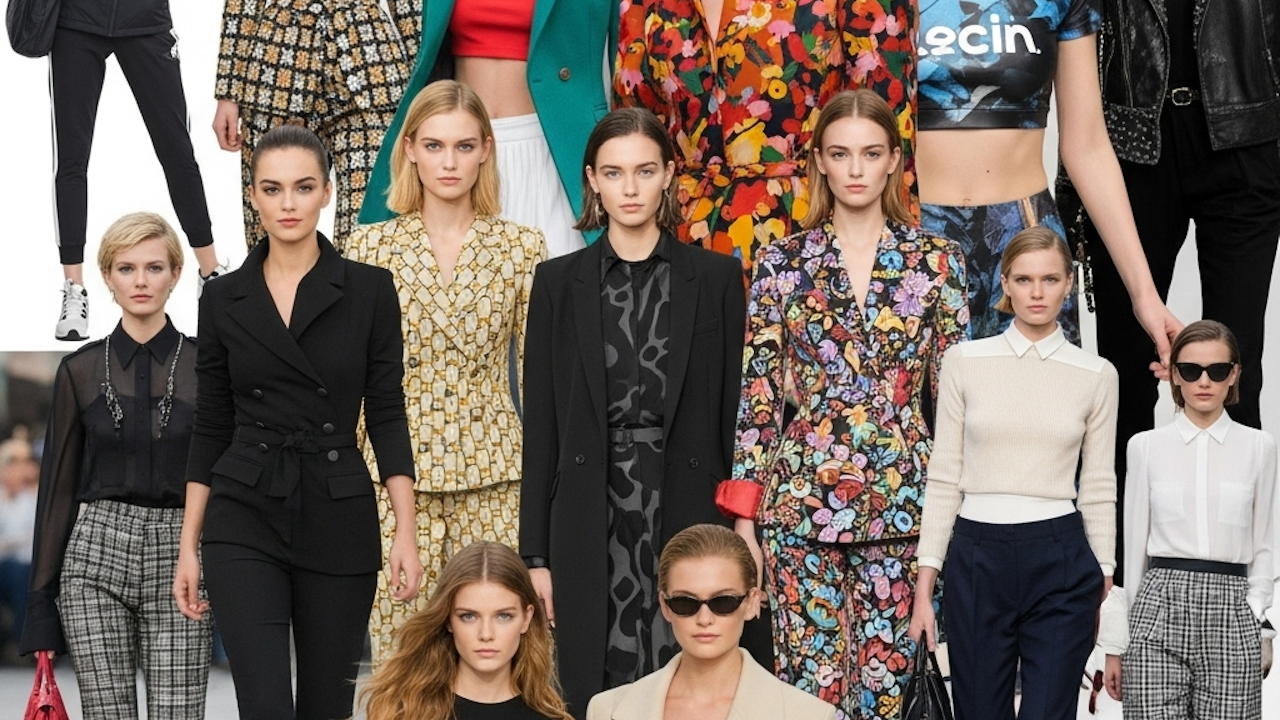
The last decade, spanning roughly from 2016 to 2026, stands out as a time of rapid evolution in fashion. Social media platforms turned everyday people into trendsetters, the global pandemic reshaped priorities around comfort and practicality, and cycles of nostalgia revived styles from past eras while blending them with modern sensibilities. Sustainability emerged as a core value for many consumers, particularly younger generations, while inclusivity and personal expression challenged traditional rules. What began with polished Instagram aesthetics and streetwear hype gave way to pandemic loungewear, then exploded into colorful maximalism and quiet refinement. These shifts reflected broader societal changes, from wellness culture and digital connectivity to economic uncertainty and calls for ethical production. The result was a more democratic, fragmented, yet deeply influential fashion landscape. Certain trends rose above the noise to become truly iconic, defining how millions dressed, shopped, and viewed style itself. This article examines the most significant ones that left an indelible mark.
Athleisure: Comfort Becomes Everyday Chic
Athleisure emerged as one of the decade’s foundational movements, blending athletic functionality with casual and even elevated everyday wear. Leggings, hoodies, sports bras, and performance sneakers transitioned seamlessly from gyms to offices and social outings. Brands such as Lululemon, Nike, and Adidas experienced explosive growth as consumers embraced wellness lifestyles and rejected restrictive formal clothing. Celebrities like Kendall Jenner and Gigi Hadid popularized the look by pairing high-waisted yoga pants with oversized blazers or sneakers with tailored pieces. The term itself entered mainstream dictionaries around the middle of the decade, signaling its cultural legitimacy. During the pandemic years, athleisure expanded into full loungewear sets and matching sweatsuits that became standard for remote work and errands. Even after restrictions eased, its influence lingered through elevated activewear collaborations and hybrid outfits that mixed technical fabrics with denim or tailoring. This trend democratized fashion by prioritizing versatility and ease, proving that practicality could coexist with polish and setting the stage for a more relaxed approach to dressing that persists today.
Streetwear and Logomania: Hype Culture Takes Center Stage
Streetwear exploded from niche subcultures into a global phenomenon that redefined luxury. Skate-inspired graphics, boxy silhouettes, cargo pants, and bold logos dominated wardrobes, fueled by limited-edition drops and resale markets. Designers like Virgil Abloh at Off-White and Kanye West with Yeezy turned cultural references into high-end statements, while Supreme collaborations with brands like Louis Vuitton in 2017 blurred the lines between accessible hype and exclusive fashion. Logomania became ubiquitous, with visible designer emblems appearing on everything from belts and bags to T-shirts and sneakers. This trend empowered younger consumers and street-style enthusiasts, challenging old hierarchies by valuing relevance and scarcity over heritage craftsmanship alone. Influencers and rappers amplified the movement through social media, creating waiting lists and secondary markets that generated billions. Oversized hoodies, track pants, and graphic tees became staples across age groups and demographics. Streetwear’s lasting legacy lies in its role in making fashion more approachable and community-driven, while also accelerating the speed at which trends spread and evolve.
Dad Sneakers and the Chunky Shoe Era
Footwear underwent a dramatic transformation with the rise of dad sneakers, those oversized, chunky-soled trainers that combined retro athletic vibes with futuristic detailing. Balenciaga’s Triple S model, launched in the late 2010s, became a defining example, followed by similar designs from Gucci, Louis Vuitton, and New Balance. These shoes offered comfort and height while making a bold visual statement that paired equally well with dresses, jeans, or tailored trousers. Celebrities such as Rihanna and Justin Bieber embraced them early, turning functional running shoes into fashion statements. The trend reflected a broader embrace of comfort and irony in style, where practicality trumped sleek minimalism. As the decade progressed, dad sneakers influenced entire categories of footwear, including platform versions and hybrid designs that mixed elements of hiking boots and classic trainers. Their popularity endured through multiple seasons and inspired high-fashion interpretations that elevated everyday shoes to collector status. This shift helped normalize bold proportions and unapologetic functionality in accessories, influencing how people approached both casual and dressier outfits.
Chokers, Crop Tops, and Off-Shoulder Silhouettes
Accessories and tops took on playful, body-conscious forms with the widespread adoption of chokers, crop tops, and off-the-shoulder designs. Thin velvet or tattoo-style chokers added an edgy touch to outfits, while crop tops exposed midriffs in a confident celebration of body positivity. Off-shoulder necklines created a relaxed yet feminine drape that worked across seasons. These elements gained traction through social media styling and celebrity endorsements from figures like Kylie Jenner and the Kardashian family. Millennial pink tones often complemented the look, creating cohesive ensembles that photographed well for Instagram. The combination reflected a flirtatious, youthful energy that contrasted with earlier minimalist phases. As trends evolved, these pieces adapted into more sophisticated versions, such as structured crop blazers or embellished chokers paired with evening wear. Their icon status stems from how they empowered self-expression and encouraged experimentation with proportions and skin exposure in mainstream fashion.
The Y2K Revival: Low-Rise Jeans and Early 2000s Nostalgia
Nostalgia for the late 1990s and early 2000s fueled a full-scale Y2K revival that peaked in the early 2020s. Low-rise jeans, baby tees, butterfly clips, metallic fabrics, and Juicy Couture-style velour tracksuits returned with updated twists. Gen Z shoppers discovered these looks through TikTok thrift hauls and vintage resale apps, pairing them with modern sneakers or sleek accessories. Celebrities including Billie Eilish and Zendaya helped mainstream the aesthetic by wearing cropped cardigans, cargo pants, and platform sandals. The movement extended to colorful tracksuits, rhinestone details, and off-shoulder knit tops that echoed early 2000s pop culture. This revival represented a reaction to the polished minimalism of the previous years, injecting fun, irony, and overt femininity into wardrobes. It also sparked debates about body image and fit, prompting brands to offer inclusive sizing. By blending archival references with contemporary sustainability practices, Y2K became more than a throwback; it evolved into a flexible framework for personal styling that continues to inspire collections.
Cottagecore and Escapist Aesthetics
During the height of pandemic lockdowns, cottagecore offered a romantic escape through flowy prairie dresses, lace details, floral prints, and nature-inspired accessories. Influenced by folk traditions and literary fantasies, the aesthetic featured empire-waist gowns, straw hats, and embroidered blouses that evoked countryside living. Taylor Swift’s albums helped popularize the look through music videos and social media. Cottagecore appealed to those seeking calm amid uncertainty, leading to homemade crafts, gardening content, and thrifted vintage pieces. Other related aesthetics, such as coastal grandmother with its linen sets and tote bags, emerged alongside it. The trend highlighted fashion’s role as emotional armor and escapism tool. Even as restrictions lifted, elements like puff sleeves, midi skirts, and soft textures persisted in mainstream designs. Cottagecore’s impact lies in its demonstration of how digital communities could create and sustain entire lifestyle aesthetics that influenced both high fashion and fast retail.
Quiet Luxury and the Old Money Aesthetic
In contrast to flashy logos, quiet luxury emphasized understated elegance, high-quality fabrics, and timeless tailoring without obvious branding. Neutral palettes, cashmere sweaters, wide-leg trousers, and structured blazers defined the style, drawing inspiration from old-money families and television shows like Succession. Celebrities and influencers adopted the look for its sophisticated restraint, favoring pieces from The Row, Loro Piana, and Bottega Veneta. This trend gained momentum around 2022 as a backlash against overt consumerism and social media excess. It promoted investment dressing, capsule wardrobes, and subtle status symbols such as well-made leather goods and refined jewelry. The aesthetic encouraged consumers to prioritize longevity and craftsmanship over seasonal fads. Its cultural resonance came from a desire for stability and refinement in turbulent times, influencing workplace attire and everyday elegance. Quiet luxury proved that minimalism could feel aspirational and empowering without sacrificing comfort or individuality.
Barbiecore, Dopamine Dressing, and Maximalism
Pop culture moments and a yearning for joy drove bold, colorful maximalism through trends like Barbiecore. Inspired by the 2023 film starring Margot Robbie, hot pink saturated runways, street style, and retail collections in the form of satin dresses, feathered accents, and rhinestone details. Dopamine dressing extended this energy with vibrant hues, mixed prints, and playful silhouettes designed to boost mood and self-confidence. Designers layered sequins, feathers, and metallic fabrics to create celebratory looks that rejected neutral restraint. The movement reflected post-pandemic desire for fun and self-expression after years of subdued palettes. Celebrities embraced it on red carpets and social feeds, turning fashion into performance art. Maximalism also incorporated eclectic layering, statement jewelry, and unexpected color combinations that celebrated individuality. This phase marked a pendulum swing toward abundance and creativity, reminding people that clothing could serve as a source of happiness and bold personal narrative.
Wide-Leg Jeans, Barrel Silhouettes, and Relaxed Denim
Denim evolved dramatically from fitted skinny styles to loose, wide-leg, and barrel-shaped cuts that offered ease and modernity. Brands like Alaïa introduced horse-shoe jeans that became viral sensations, while high-street retailers followed with accessible versions. These silhouettes paired comfortably with sneakers, ballet flats, or boots and worked for both casual and polished outfits. The shift reflected broader preferences for comfort and movement after years of restrictive fits. Celebrities such as Sienna Miller and everyday influencers showcased how relaxed denim could elevate basic tops or blazers. Oversized blazers and co-ordinating sets complemented the trend, creating balanced proportions. Wide-leg denim also aligned with sustainability goals by favoring durable, versatile pieces that transcended seasons. Its enduring appeal stems from the way it adapted classic American staples to contemporary needs for flexibility and inclusivity across body types.
Sustainability, Thrifting, and Conscious Consumption
Throughout the decade, sustainability transformed from a niche concern into a mainstream movement. Resale platforms like Depop and vintage shopping surged in popularity as consumers sought unique, pre-loved items to reduce waste. Brands responded by incorporating recycled materials, organic cotton, and circular design principles into collections. Gen Z in particular championed ethical production, thrifting challenges, and upcycling projects shared widely on social media. This shift pressured fast fashion giants to adopt more transparent practices while elevating independent and heritage labels focused on longevity. Events such as climate awareness campaigns amplified the conversation, making secondhand shopping both stylish and principled. The trend intersected with other movements, from Y2K thrifting to quiet luxury investment pieces. Its icon status comes from representing a fundamental change in consumer behavior, where style choices carried moral weight and encouraged creativity through reuse and personalization.
The decade’s fashion landscape ultimately revealed a tension between speed and substance, hype and heritage, chaos and calm. Trends rose and fell faster than ever, yet the most iconic ones shared common threads of adaptability, inclusivity, and reflection of real-life needs. Athleisure and relaxed silhouettes addressed demands for comfort, while nostalgia revivals and maximalist bursts provided emotional outlets. Sustainability efforts and quiet luxury suggested a maturing appreciation for quality and ethics. As 2026 unfolds with fresh revivals and innovations, these defining styles of the last ten years continue to shape wardrobes and conversations. They remind us that fashion remains a powerful mirror of culture, capable of evolving with society while leaving behind pieces and philosophies that endure well beyond any single season.