

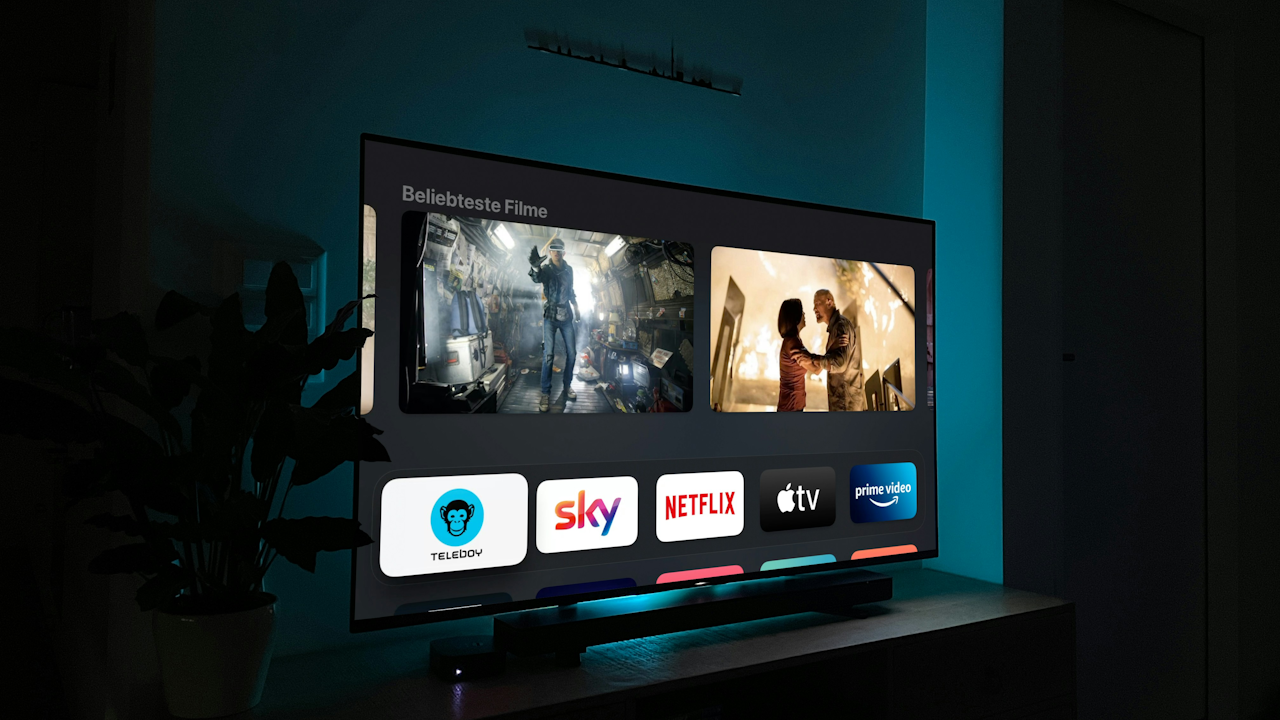
Streaming platforms have transformed the way audiences consume entertainment and information. Once viewed primarily as sources of movies, television series, and documentaries for relaxation, services such as Netflix, Amazon Prime Video, Disney+, Hulu, and YouTube now play a significant role in shaping political narratives. These platforms reach billions of users worldwide, often surpassing traditional broadcast television in viewership. Their algorithms, original programming, and global distribution networks allow them to influence public opinion on issues ranging from elections to social justice and international relations. Unlike legacy media outlets bound by regulatory standards for impartiality, streaming services operate with greater flexibility, blending entertainment with subtle or overt political messaging. This evolution raises important questions about power, bias, and democratic discourse in an era where entertainment and politics increasingly overlap.
The rise of streaming as a dominant medium began in the early 2010s with Netflix’s shift from DVD rentals to on-demand video. By the mid-2020s, the industry had matured into a multibillion-dollar sector dominated by a handful of players. Subscription numbers reflect their reach: Netflix alone boasts hundreds of millions of global subscribers, while combined services like Amazon Prime Video and Disney+ add hundreds of millions more. YouTube, often categorized separately as a user-generated platform, functions as a de facto streaming giant with billions of monthly users. This scale gives these companies unprecedented influence over what audiences see and how they interpret the world. Political narratives emerge not only through explicit news content but also through scripted dramas, documentaries, and recommendation systems that prioritize certain stories over others.
One primary mechanism of influence lies in original programming and curated content. Streaming services invest heavily in exclusive series and films that embed political themes. For instance, Netflix has produced numerous documentaries addressing systemic issues such as racial inequality, climate change, and corporate power. Titles like those exploring social movements or political scandals frame events in ways that align with specific ideological perspectives, often progressive ones. Academic analyses and industry reports note Netflix’s historical ties to liberal viewpoints, including partnerships with filmmakers who emphasize themes of equity and reform. These productions do not merely entertain; they normalize certain interpretations of history and current events. Viewers binge-watching a series may absorb embedded critiques of institutions or endorsements of policy positions without recognizing the framing as political.
Similarly, Disney+ has faced scrutiny for content perceived as advancing progressive social agendas in family-oriented programming. Debates over “woke” elements in children’s shows and films highlight how entertainment choices can spark cultural and political backlash. Amazon Prime Video, tied to a broader corporate ecosystem including news properties, has ventured into election-related specials and documentaries. Even when platforms ban direct political advertising, as most major streamers do during election cycles, their content libraries serve as indirect channels for narrative building. Algorithms amplify this effect by recommending similar titles, creating personalized echo chambers where users encounter reinforcing viewpoints.
Algorithms represent a second, more opaque mechanism. Recommendation engines on platforms like Netflix and YouTube analyze viewing habits to suggest content, often prioritizing engagement metrics such as watch time and completion rates. Research indicates these systems can reinforce political polarization by steering users toward ideologically consistent material. Studies on YouTube’s recommendations, for example, have shown pathways from moderate content to more extreme perspectives on both ends of the spectrum. While pure streaming services like Netflix focus less on user-generated posts than social media, their personalization still shapes exposure. A viewer interested in political thrillers might receive suggestions for series depicting government corruption in one light rather than another. Recent experiments using browser tools to alter feed rankings on platforms with algorithmic elements demonstrated measurable shifts in partisan attitudes after just one week of modified exposure. Such findings underscore how subtle tweaks in ranking can alter perceptions of opposing parties or policy priorities.
Live streaming and influencer-driven content add another layer, particularly on hybrid platforms like YouTube, Twitch, and emerging services such as Kick. During recent election cycles, politicians have appeared on live streams hosted by popular creators to reach younger audiences who avoid traditional news. High-profile interviews, gaming sessions with political overlays, and real-time commentary have mobilized voters in ways traditional rallies cannot. In one notable 2024 example, a major party nominee joined a livestream that drew hundreds of thousands of concurrent viewers, blending casual conversation with campaign messaging. These formats foster parasocial relationships, where audiences feel personally connected to political figures or influencers. The result is narrative control that bypasses gatekeepers, allowing unfiltered or selectively edited versions of events to spread rapidly.
Case studies illustrate the tangible impact on political narratives. Netflix’s investment in documentary filmmaking has been credited with rebooting the genre for mainstream audiences. Productions focusing on labor rights, democratic movements, or election integrity have sparked public conversations and, in some cases, influenced policy debates. One analysis described such efforts as creating a liberal counterpart to conservative media coalitions, using prestige documentaries to counter alternative narratives. During election periods, timed releases of politically charged content have coincided with heightened public discourse, though direct causation remains difficult to prove. On YouTube, recommendation networks have been linked to increased exposure to partisan extremism, with algorithms favoring emotionally charged material that drives longer viewing sessions.
Subscription data further reveals partisan divides in platform usage. Surveys from the mid-2020s show Democrats disproportionately subscribing to Netflix, Hulu, and similar services, while Republicans favor others like Paramount+ in some markets. This self-selection compounds algorithmic effects: audiences already inclined toward certain views encounter content that aligns with and strengthens those inclinations. Boycotts of services perceived as biased have emerged in response, reflecting consumer awareness of these dynamics, though their effectiveness varies.
Globally, streaming platforms extend their influence beyond domestic politics through soft power. Netflix operates in over 190 countries, exporting American cultural and political values while adapting to local markets. In regions like India, local content strategies blend global formats with indigenous stories, sometimes advancing nationalistic narratives or hybrid cultural identities. South Korea’s success with streaming-driven cultural exports demonstrates how platforms can amplify a nation’s diplomatic appeal. Conversely, authoritarian regimes monitor or restrict foreign streaming to control domestic narratives. In China and India, governments have exerted pressure on platforms to align with state priorities, turning streaming into a tool for both propaganda and counter-narratives.
Critics argue that streaming platforms exacerbate polarization and undermine shared facts. Algorithms optimized for engagement reward divisive content, as seen in broader social media research applicable to video platforms. Traditional broadcasters face impartiality rules, but streamers often lack equivalent oversight, leading to accusations of unchecked bias. Supporters counter that these services democratize access to diverse voices, enabling marginalized perspectives to reach global audiences without reliance on legacy gatekeepers. Independent creators on YouTube, for instance, challenge mainstream narratives and foster grassroots political engagement.
Regulatory responses have begun to address these concerns. In the United Kingdom, 2026 legislation extended broadcaster-style rules to major streaming services, requiring accurate and impartial news presentation where applicable. Similar debates occur in the European Union and elsewhere, focusing on content moderation, algorithmic transparency, and protections against harmful material. Platforms resist heavy regulation, citing free expression, yet face pressure from governments and advocacy groups to mitigate misinformation and echo chambers.
Looking ahead, the influence of streaming platforms on political narratives is likely to deepen. Advances in artificial intelligence will refine recommendations further, potentially personalizing content at an individual level with greater precision. Integration of virtual reality and interactive formats could immerse users in simulated political scenarios, blurring lines between fiction and reality. Consolidation in the industry, with fewer companies controlling larger libraries, may concentrate narrative power. At the same time, user tools for customizing feeds or opting out of algorithms offer potential countermeasures, as demonstrated in recent polarization-reduction experiments.
Ultimately, streaming platforms do not create political divisions in isolation. They amplify existing societal fault lines through scale, personalization, and entertainment-driven storytelling. Their role demands ongoing scrutiny from scholars, policymakers, and audiences alike. As consumption shifts further from linear television to on-demand streaming, understanding these dynamics becomes essential for preserving informed citizenship. The challenge lies in harnessing the platforms’ innovative potential while safeguarding against unintended distortions of democratic discourse. Balanced regulation, greater transparency in algorithmic design, and media literacy initiatives represent practical steps forward. In a fragmented information landscape, streaming’s power to narrate politics will continue evolving, shaping not just what we watch but how we perceive the world around us.