

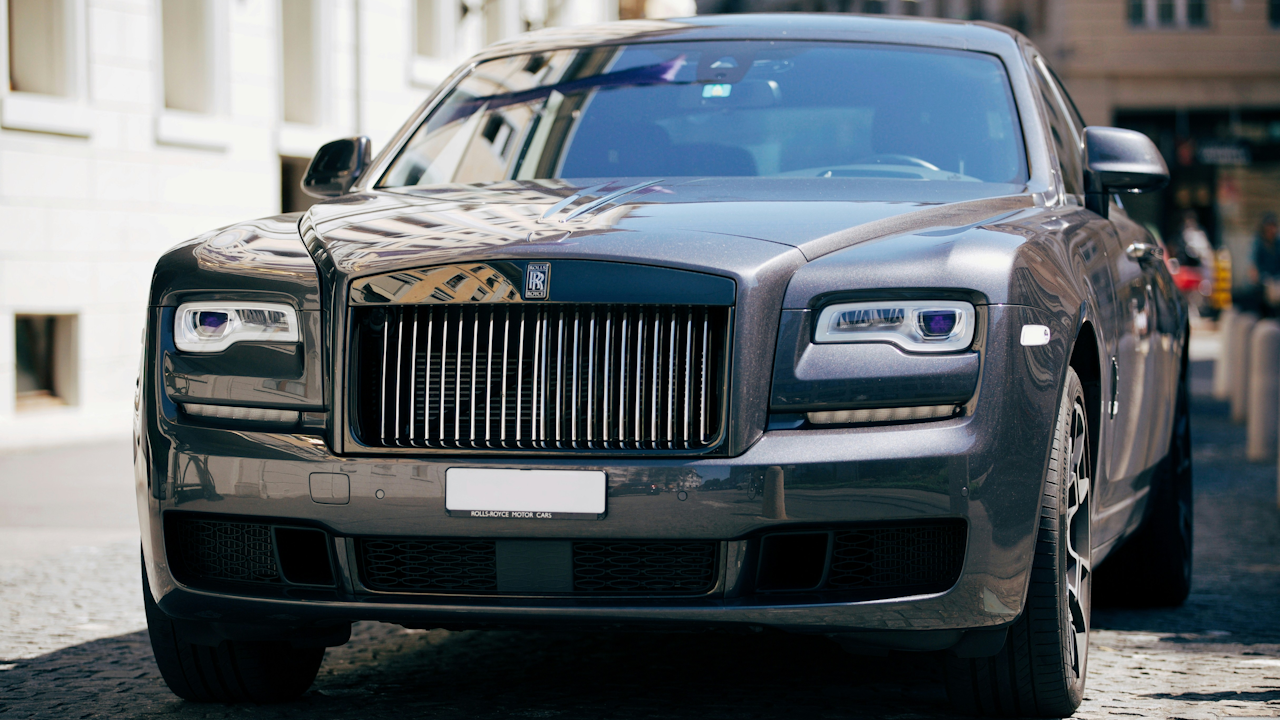
For many people, the dream of owning a luxury car evokes images of effortless elegance, superior performance, and undeniable status. Brands such as Mercedes Benz, BMW, Porsche, or Ferrari promise an elevated driving experience that ordinary vehicles simply cannot match. The initial thrill of acquiring one often overshadows a critical reality: the purchase price represents only a fraction of the total ownership expense. Beyond the sticker shock lies a web of ongoing financial obligations that can transform what seems like a smart indulgence into a significant drain on resources. These hidden costs accumulate quietly over time, affecting everything from monthly budgets to long term financial planning. Understanding them is essential before committing to such a vehicle, as the cumulative impact frequently exceeds expectations and forces owners to reassess their priorities.
One of the most substantial yet overlooked expenses is depreciation, which erodes the car’s value at an accelerated pace compared to mainstream models. A luxury vehicle might lose 30 percent or more of its worth within the first two years, with some high end options declining by as much as 60 percent over five years. For instance, models like the Infiniti QX80 or Land Rover Range Rover have shown depreciation rates exceeding 60 percent in recent analyses of market data. Even a well regarded BMW 7 Series can shed around 61 percent of its value in that timeframe. This rapid drop stems from factors including high initial pricing, rapid technological advancements that render older features obsolete, and market saturation as new models flood dealerships. Owners who plan to sell after a few years often face a stark gap between what they paid and what the car is now worth. Resale values fluctuate based on economic conditions, fuel prices, and consumer preferences, leaving sellers vulnerable to losses that can reach tens of thousands of dollars. In contrast, reliable economy cars from brands like Toyota or Honda retain value far better, making the luxury choice a calculated risk for anyone not intending to keep the vehicle indefinitely.
Maintenance and repair costs present another layer of financial burden that catches many owners off guard. Luxury cars incorporate advanced engineering, premium materials, and complex electronics that demand specialized care. Routine services such as oil changes can easily exceed several hundred dollars, sometimes reaching six hundred dollars or more at authorized dealerships. Tires, which wear out faster due to performance oriented designs, may need replacement every twelve thousand miles, adding hundreds or thousands annually depending on the model. Over a decade, the average maintenance expense for many European luxury brands surpasses twelve thousand dollars, with certain marques like BMW approaching seventeen thousand eight hundred dollars and Mercedes Benz around twelve thousand nine hundred dollars. This stands in sharp comparison to non luxury vehicles, where ten year costs often hover near five thousand five hundred dollars for a Toyota. Parts are proprietary and expensive, with limited aftermarket alternatives, while labor requires certified technicians whose rates reflect their expertise. Once the factory warranty expires, these bills escalate dramatically. Unexpected repairs, such as those involving suspension systems, transmissions, or advanced driver assistance technology, can total several thousand dollars in a single visit. Owners of used luxury cars face amplified risks, as deferred maintenance from previous users compounds into larger problems that rival or exceed the vehicle’s depreciated value.
Insurance premiums add yet another significant ongoing expense, often doubling or tripling those of comparable non luxury vehicles. The higher replacement costs for damaged parts, combined with the elevated risk profile of performance cars, drive insurers to charge substantially more. Full coverage for a luxury model can average four thousand dollars per year or higher, with some high performance variants like certain BMW or Audi models exceeding six thousand dollars annually. Specific examples include the BMW M5 at around six hundred fifty two dollars per month or select Maserati and Bentley models pushing toward ten thousand dollars yearly. This premium reflects not only the car’s value but also the potential for costly repairs following even minor incidents. Factors such as the driver’s record, location, and mileage influence rates, but the vehicle’s inherent characteristics ensure elevated costs regardless. Many owners discover that comprehensive policies become non negotiable to protect their investment, further straining budgets already stretched by the initial purchase.
Fuel consumption represents a daily reminder of the premium associated with luxury ownership. Most performance oriented luxury cars prioritize power over efficiency, requiring premium grade gasoline that costs noticeably more at the pump. National averages place regular unleaded around two dollars and eighty five cents per gallon, while premium fuel hovers near three dollars and seventy one cents. A luxury sedan or SUV averaging fifteen to twenty miles per gallon can consume hundreds of extra dollars each month for a typical driver covering twelve thousand to fifteen thousand miles annually. Over several years, this differential accumulates into thousands of dollars compared to a fuel efficient hybrid or economy car. Electric luxury options like certain Tesla models mitigate some fuel costs but introduce their own charging infrastructure demands and potential battery replacement expenses down the line. Even hybrid luxury vehicles, while improved, rarely match the efficiency of mainstream counterparts without careful driving habits.
Financing arrangements, taxes, and registration fees compound these issues for buyers who do not pay cash upfront. Loans for luxury cars often carry higher interest rates due to the larger principal amounts and perceived risk, extending the effective cost over time. State and local taxes on high value vehicles can add thousands at the point of purchase, with annual property taxes or luxury vehicle surcharges in certain regions adding hundreds more each year. Registration fees scale with the car’s value and weight, creating recurring expenses that standard vehicles avoid. Buyers should also factor in potential title and documentation fees that dealerships sometimes bundle discreetly into the final price.
Beyond direct automotive expenses, practical considerations such as storage, parking, and security introduce further costs. Luxury cars benefit from climate controlled garages to preserve paint, leather, and electronics, yet many urban owners lack such facilities and must pay for secure parking or private lots. Theft risk is higher for desirable models, prompting additional investments in alarm systems, tracking devices, or comprehensive security packages. Homeowners insurance riders may be necessary to cover the vehicle adequately, adding to monthly premiums. In high density cities, valet services or dedicated spots become routine expenses that economy car owners rarely encounter.
Customization and accessory upgrades tempt many luxury owners, turning an already expensive vehicle into a personalized statement. Factory options like advanced audio systems, premium wheels, or performance packages can add tens of thousands to the base price. Post purchase modifications, including custom interiors or exterior enhancements, escalate costs further while potentially complicating resale or warranty coverage. Regular detailing to maintain the pristine appearance expected of such cars involves professional services that run several hundred dollars per session, performed multiple times yearly.
Opportunity costs deserve attention as well. Funds tied up in a luxury car or its upkeep cannot be invested elsewhere, such as in retirement accounts, real estate, or other appreciating assets. The money spent on depreciation, maintenance, and fuel represents foregone growth that could compound over time. Resale challenges arise when market conditions shift, leaving owners with limited bargaining power or forced sales at a loss. Economic downturns or rising interest rates can depress demand for used luxury vehicles, prolonging the financial recovery period.
Time and emotional factors, though less quantifiable, also weigh on owners. Coordinating specialized service appointments, researching parts availability, and managing unexpected repairs consume hours that could otherwise be spent productively. The stress of a high maintenance vehicle breaking down at an inconvenient moment adds an intangible toll, particularly for those relying on the car for daily commuting or business travel.
In conclusion, the hidden costs of owning a luxury car extend far beyond the showroom transaction and can total tens of thousands of dollars over several years. While the prestige, comfort, and performance deliver genuine satisfaction for enthusiasts who can absorb these expenses, the financial reality demands careful calculation. Prospective buyers should compare total cost of ownership estimates across models, explore leasing as a way to cap certain risks, or consider certified pre owned options with remaining warranties. For those prioritizing reliability and value retention, mainstream vehicles often prove more prudent. Ultimately, a luxury car symbolizes aspiration, but informed decisions ensure that the dream does not become a financial burden. Weighing these factors thoughtfully allows individuals to align their choices with both lifestyle desires and long term fiscal health.