

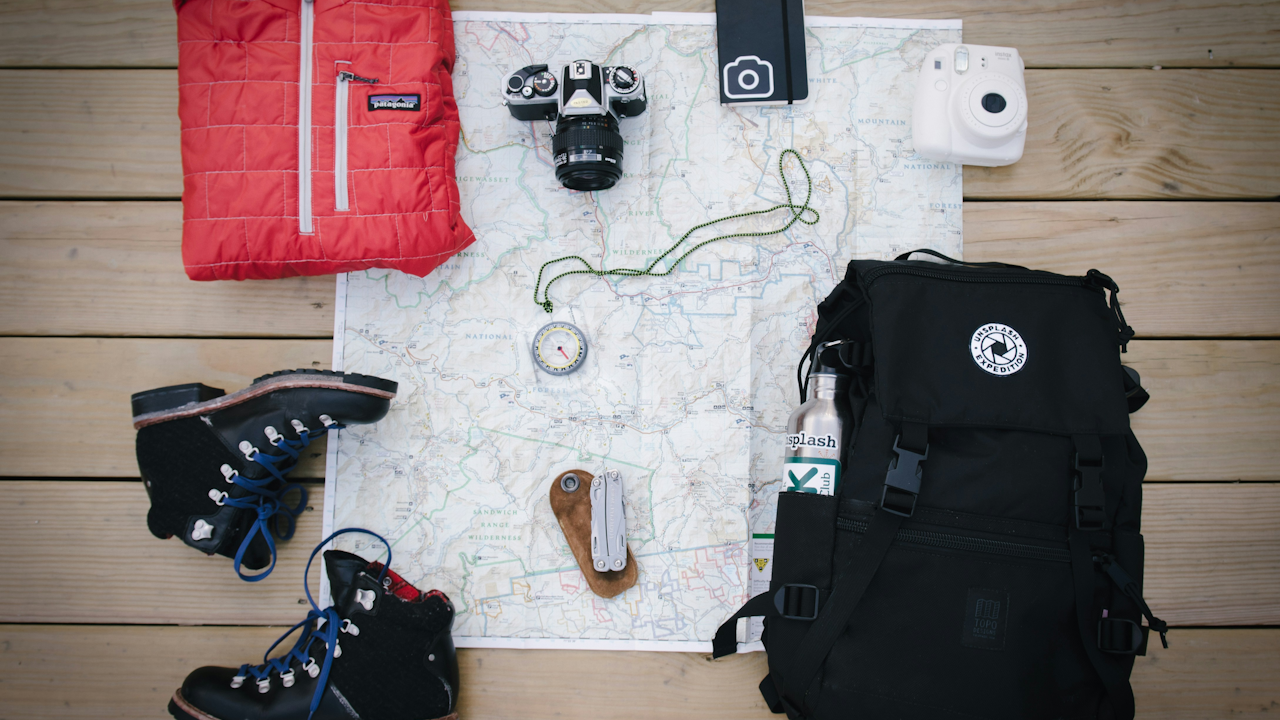
Adventure seekers chase experiences that push limits and reward preparation. Whether trekking remote mountain passes, exploring dense forests, or combining long-haul flights with rugged trails, the right equipment turns potential hardships into highlights. In 2026, gear manufacturers have refined designs with lighter fabrics, smarter waterproofing, and integrated technology. This guide highlights top choices across key categories. Selections draw from extensive field tests by hikers, backpackers, and travel experts who prioritize durability, versatility, and comfort for multi-day outings. Focus on items that handle variable weather, rough terrain, and minimal packing space. Quality investments reduce replacement needs and support lighter loads for longer adventures.
Backpacks and Carrying Systems
A sturdy backpack serves as the core of any adventure setup. It must distribute weight evenly, resist elements, and offer quick access to essentials. The Cotopaxi Allpa 35L or 42L excels for hybrid trips that mix air travel with hiking. Its clamshell opening mimics a suitcase for easy packing, while multiple mesh compartments keep items visible and organized. Contoured shoulder straps and hip belts provide all-day comfort even on uneven paths. The 1000-denier ballistic nylon front panel and water-resistant coating shrug off rain and dust. A lifetime warranty covers heavy use. This pack fits carry-on rules yet expands for extra layers or snacks.
For serious backpacking with heavier loads, the Osprey Atmos AG 65 for men or Aura AG LT 65 for women delivers unmatched ventilation. The Anti-Gravity suspension system lifts the pack away from the back to prevent sweat buildup during steep climbs. Adjustable torso lengths suit different body types, and the capacity handles a week of food, shelter, and clothing. Integrated rain covers and trekking pole attachments add practicality. Users report carrying 40 pounds comfortably without shoulder strain.
Ultralight enthusiasts favor the Hyperlite Mountain Gear Unbound 40 or 55. Constructed from waterproof Dyneema composite fabric, these packs weigh little yet withstand abrasion on rocky trails. External pockets organize maps, water bottles, and tools. The design suits fast-packers who cover big miles daily. For duffel needs during rough transport, the Patagonia Black Hole 70L offers bombproof TPU-laminated ripstop that survives being dragged or tossed. Multiple carry handles and backpack straps make transitions seamless. Pair any main pack with a packable daypack like the Sea to Summit Ultra-Sil. It compresses to keychain size yet unfolds into a water-resistant 20-liter bag for side explorations. These options keep adventures mobile and organized.
Footwear
Footwear determines daily comfort and injury prevention on adventures. Trail shoes or lightweight boots outperform heavy traditional models for most modern trips. The Salomon X Ultra 5 GTX leads the category. Gore-Tex lining blocks water while allowing breathability. Contagrip rubber outsoles bite into mud, rocks, and loose gravel for confident steps. The midsole cushions impacts yet stays responsive for quick direction changes. Minimal break-in time suits spontaneous departures. At around 1.5 pounds per pair, it lightens the load compared to full boots without sacrificing ankle stability on moderate terrain.
Budget-conscious seekers appreciate the Merrell Moab Speed 2. Vibram soles provide reliable traction, and the lightweight mesh upper dries fast after stream crossings. Cushioned midsoles absorb fatigue on long days. For zero-drop preference and natural foot movement, the Altra Lone Peak 8 offers a wide toe box that prevents blisters and promotes better balance on technical trails. The aggressive lug pattern handles wet roots and scree effectively.
Those tackling steeper or load-heavy routes may choose the Lowa Renegade EVO GTX mid boot. Full-grain leather and Gore-Tex combine for durable waterproofing and ankle support under 40-pound packs. Vibram outsoles endure years of abuse. Always test fits with socks and full loads. Rotate with camp sandals like Chaco Z/Cloud for river fords and evening relief. Wool-blend socks from Smartwool add blister resistance and temperature control. Proper footwear transforms rough paths into enjoyable journeys.
Apparel and Layering Systems
Variable mountain weather demands smart layering. Base layers manage moisture and odor, mid layers add warmth, and shells block wind and rain. Merino wool dominates base layers for its natural performance. The Smartwool Classic All-Season or Ibex Pro Tech tops and bottoms regulate body heat in heat or cold. Wool fibers wick sweat away, resist bacteria for multi-day wear without washing, and feel soft next to skin. These pieces weigh little yet provide UPF sun protection and quick drying after showers.
Add a mid layer such as the Patagonia R1 Air fleece or Ridge Merino Cloudripper hybrid. Grid fleece construction traps heat without bulk while allowing airflow during climbs. Stretch panels move with the body. For insulation on chilly evenings, a lightweight down jacket like the Mountain Hardwear Ghost Whisperer packs small and delivers high warmth-to-weight ratio.
Outer protection comes from hardshells like the Patagonia Torrentshell 3L. Three-layer fabric withstands sustained downpours yet packs compact. Pit zips vent heat during exertion. Quick-dry convertible pants from Outdoor Research Ferrosi or The North Face Aphrodite offer stretch for scrambling and zip-off legs for temperature shifts. Windbreakers like the Patagonia Houdini block gusts on exposed ridges. Merino buffs and hats complete the system by protecting neck and head. These layers adapt to conditions from desert heat to alpine chill while keeping total weight under five pounds.
Hydration and Water Treatment
Clean water access defines backcountry safety. Portable filters eliminate the need to carry heavy bottles for days. The Sawyer Squeeze stands as the lightweight champion. At three ounces, it screws onto standard Smartwater bottles or attaches to hydration bladders. The hollow-fiber membrane removes bacteria and protozoa from streams and lakes. One filter treats thousands of liters over years of use. Backflush with clean water keeps flow strong.
For faster group treatment, the Platypus GravityWorks system fills dirty and clean bags then lets gravity do the work. No pumping required. As backup, chemical tablets like Aquamira drops handle viruses in questionable sources. Collapsible 1-liter bottles or Gregory 3D Hydro bladders integrate with pack pockets for hands-free sipping on trails. LifeStraw Peak personal filters offer straw-style sipping straight from sources during short stops. These tools prevent dehydration and illness, allowing focus on the journey rather than logistics.
Tech and Navigation Gadgets
Modern adventures blend analog reliability with digital convenience. Satellite communicators provide safety nets far from cell service. The Garmin inReach Mini 2 sends two-way texts, triggers SOS, and shares location via global Iridium satellites. Weather forecasts arrive on demand. Battery life lasts weeks, and the compact size slips into any pocket. Pair it with offline maps on a Suunto Vertical GPS watch for route finding without phone dependency.
Portable power keeps devices alive. Anker or Goal Zero Nomad 10 solar panels recharge phones and headlamps during daylight breaks. Compact power banks with 10,000 milliamp hours or more handle multiple charges. Headlamps from Black Diamond or Petzl illuminate night hikes and camp chores. Multiple brightness modes and red light preserve night vision. Universal travel adapters with USB-C ports manage international outlets. These gadgets maintain connection and navigation without adding significant weight.
Safety, First Aid, and Survival Tools
Preparation prevents small issues from becoming emergencies. Comprehensive first aid kits like the Adventure Medical Kits Mountain Series Hiker contain bandages, antiseptics, tweezers, gloves, and medications tailored for trails. Custom additions for personal needs keep weight low. Multi-tools such as the Leatherman Signal include blades, pliers, fire starters, and whistles for repairs and signaling.
Trekking poles from Black Diamond stabilize knees on descents and probe snow or streams. Emergency blankets and whistles fit in small pouches. Carbon monoxide detectors add safety in enclosed shelters. These items follow the Ten Essentials framework: navigation, sun protection, insulation, illumination, first aid, fire, repair kit, food, water, and shelter. They empower self-reliance in remote settings.
Shelter, Sleep Systems, and Cooking
Overnight comfort sustains multi-day energy. Ultralight tents like the Big Agnes Copper Spur HV UL2 balance space and weight for two people. Freestanding poles set up fast on rocky ground, and the rain fly sheds weather. For solo or minimalist trips, the Zpacks Duplex uses trekking poles for even lighter carry.
Sleeping systems pair pads and bags for rest. The Therm-a-Rest NeoAir XLite NXT inflates to a comfortable four-season platform with high R-value warmth. Pair it with a down bag like the REI Magma 30 for shoulder seasons or a synthetic option for wet climates. Quilts from Enlightened Equipment offer versatile coverage and pack smaller than traditional bags.
Cooking setups stay simple yet efficient. BioLite CampStove 2+ burns twigs to boil water and charge devices simultaneously. Jetboil or MSR Pocket Rocket stoves with titanium pots heat meals quickly. Collapsible utensils and bowls minimize bulk. These systems turn base camps into refueling stations without excess weight.
Organization and Miscellaneous Accessories
Efficient packing maximizes adventure time. Compression sacks and packing cubes from Osprey or Eagle Creek separate clean and dirty clothes while shrinking volume. Dry bags protect electronics during river crossings. Quick-dry towels from PackTowl wick moisture and fold tiny. Binoculars like the Athlon Optics Midas ED 8×42 enhance wildlife viewing with clear optics at affordable cost.
Sunscreen, bug repellent, and repair kits round out kits. Choose multi-use items such as a bandana for everything from sweat rag to water strainer. These accessories keep gear accessible and protected.
Conclusion
Selecting the best travel gear for adventure seekers means prioritizing items that endure abuse, adapt to conditions, and lighten the load. Test everything on shorter outings to confirm fit and function. Consider trip specifics such as climate, duration, and group size when finalizing choices. Durable selections like merino wool and high-quality shells promote sustainability by lasting seasons or years. Maintenance matters: clean filters regularly, air out tents, and store boots properly. With thoughtful preparation, these tools unlock freedom to focus on discovery rather than discomfort. Adventure awaits those who pack smart and step boldly. Safe travels and happy trails.