

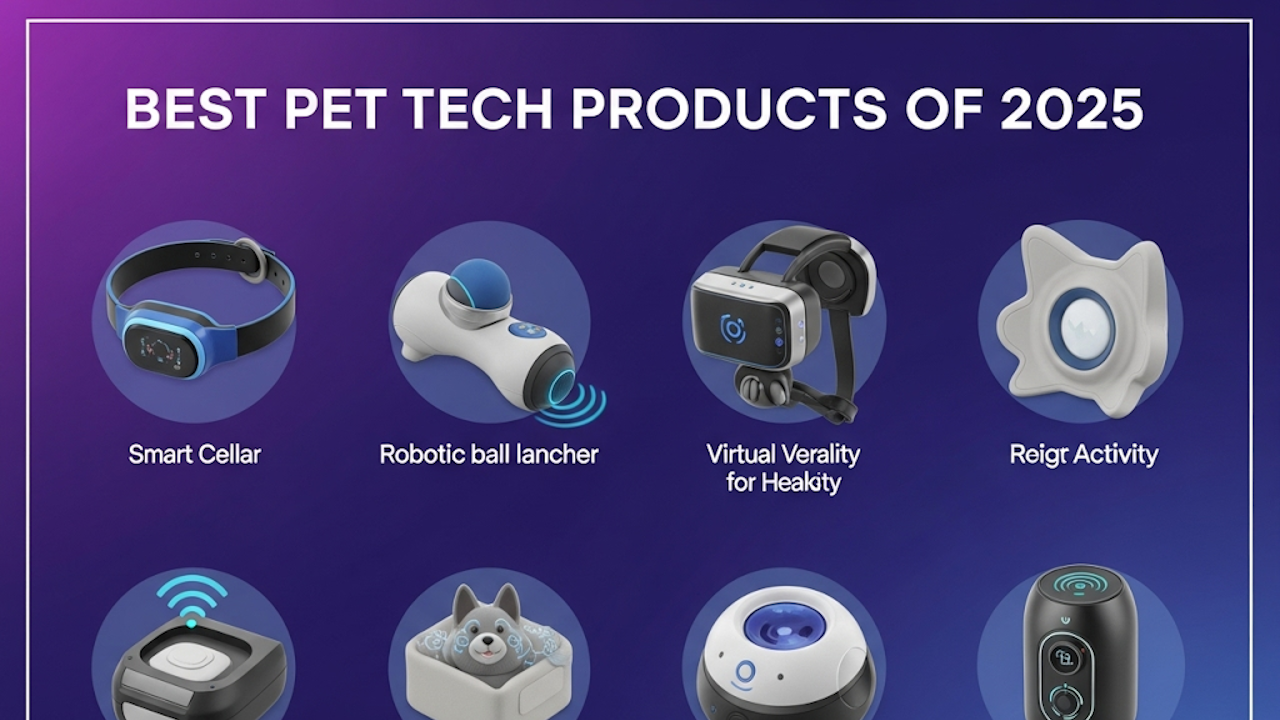
In 2025 pet technology matured into a seamless blend of artificial intelligence connectivity and everyday convenience that transformed how owners cared for their dogs cats and other companions. Busy schedules no longer meant worrying about missed meals or unsupervised antics as smart devices handled monitoring feeding and even entertainment from afar. The year saw rapid adoption of AI driven alerts health tracking and automated routines that not only eased the workload for pet parents but also promoted better wellness and safety for animals. Market leaders focused on reliable app integration long battery life and subscription free basics with premium features available for a fee. This comprehensive guide highlights the standout products across key categories based on expert testing and real world performance that earned top spots throughout the year.
Smart Automatic Feeders
Automatic feeders emerged as essential tools for maintaining consistent nutrition especially for multi pet households or owners who travel. These devices prevented overfeeding underfeeding and food spoilage while offering portion control and remote scheduling through smartphone apps.
One of the most praised options was the Petlibro Polar Wet Food Feeder priced around 150 dollars. It featured three separate compartments capable of holding up to 22 ounces of food and used built in cooling technology to keep wet meals fresh for up to three days or 72 hours during outages. The app allowed precise scheduling notifications for eating habits and alerts if connectivity dropped. Its quiet motor and dishwasher safe BPA free trays made cleanup simple while the antibacterial stainless steel plate reduced bacterial growth. Reviewers highlighted its value for cats or small dogs with picky eating habits noting that it eliminated the need for daily returns home.
For dry food the WOpet SmartFeeder and similar models like the PawSync stood out for their built in scales and camera integration. The WOpet combined reliable dispensing with portion accuracy and app based graphs that tracked intake over time. Custom schedules extra meal options and battery backups ensured reliability even during power issues. Users appreciated the breed weight and age customization that tailored portions automatically reducing guesswork for weight management.
The SureFeed Microchip Pet Feeder offered a low tech high reliability alternative without constant app dependence. It recognized individual pet microchips to open only for the authorized animal preventing food theft in multi pet homes. Compatible with any food type and equipped with ice packs for freshness it suited households with dominant or timid eaters. Its rotating design kept contents secure and made it a favorite for stress free meal times across species.
These feeders collectively addressed common pain points like obesity prevention and schedule flexibility cementing their place as must haves in 2025 pet tech lineups.
Pet Cameras and Monitors
Remote viewing devices evolved from basic webcams into interactive hubs with AI analysis treat dispensing and activity tracking. They provided peace of mind during work hours or vacations while allowing real time interaction.
The Furbo 360 Dog Camera and its Cat counterpart ranked among the top performers with sharp 360 degree panning silent motors and automatic tracking. The dog version included a quieter adjustable treat tosser color night vision and free barking alerts while the cat model added a built in toy for engagement. Both supported two way audio and Alexa integration though some advanced AI alerts required a subscription. Their attractive design blended into home decor and the reliable alerts for unusual activity made them ideal for separation anxiety cases.
Petcube models such as the 360 Cam and Bites 2 Lite delivered strong value with 1080p resolution wide panning night vision and two way audio. The Bites variant excelled at treat dispensing and wall mounting while AI descriptive alerts notified owners of specific behaviors like eating or playing. A subscription unlocked cloud storage and smarter notifications but basic functions worked well out of the box. Compact size and privacy shutters appealed to privacy conscious users.
The Petlibro AI powered pet camera at about 100 dollars introduced motion following and pet specific recognition for up to two animals. It generated daily highlights captured photos and offered chirp sounds or voice talk through the app. Real time activity insights such as litter box usage helped owners spot health trends early without constant manual checking.
Budget friendly security style options like the TP Link Tapo C120 or Eufy E220 provided 2K resolution local storage and motion tracking for those who preferred versatile indoor outdoor use. These proved that effective pet monitoring did not always require pet branded hardware.
GPS Trackers and Smart Collars
Location tracking and health monitoring wearables prevented escapes and offered proactive insights into activity sleep and vital signs. Subscription models funded cellular connectivity but delivered accurate real time data.
Tractive GPS trackers particularly the XL version for larger dogs earned consistent acclaim for virtual fencing escape alerts and health metrics including heart rate respiratory rate and bark monitoring. The app suggested personalized walks based on data and the sturdy build withstood rough play. Battery life reached two weeks or more in XL models making it practical for active pets. Geofencing and activity history provided comprehensive oversight.
The Fi Series 3 Smart Dog Collar impressed with up to three month battery life LTE Wi Fi and Bluetooth support plus habit monitoring for drinking scratching licking and barking. Durable construction in multiple sizes and colors plus nighttime LED visibility made it suitable for small to medium dogs. It doubled as a health tracker by logging routines that could flag potential issues early.
For cats the Petcube GPS Collar Tracker offered a lightweight design with month long battery in low power mode beeping LED lights for visibility and geofencing. Its compact fit avoided discomfort while delivering reliable location updates through the app.
Affordable alternatives like the Life360 GPS tracker at 50 dollars added community alerts if a pet escaped and a built in light for nighttime searches further broadening access to safety tech.
Self Cleaning Litter Boxes Hygiene Tech and Water Stations
Hygiene products reduced daily chores while tracking usage for early health detection. Self cleaning litter boxes and smart fountains kept environments fresh and encouraged hydration.
The Whisker Litter Robot 5 set the standard with weight based identification for multiple cats of different sizes automatic cycling and app reports on waste frequency duration and weight changes. Odor control improved dramatically and the open air or covered designs accommodated picky users. Though priced higher at around 800 dollars its reliability and reduced scooping time justified the investment for multi cat homes.
PETKIT automatic litter boxes similarly used sealed waste bins citrus scented sprays and app health logs to monitor usage patterns. These helped owners detect changes in elimination habits that might signal veterinary needs.
For hydration the Petcube Wireless Smart Fountain stood out with its 1.7 liter capacity motion sensing app monitoring and multi layer filtration including UV C light. Portability and quiet operation encouraged cats to drink more while low water alerts prevented dry outs. The PawsPik Bubbling Water Bowl offered a larger 1.8 gallon capacity with five layer filtration and visual indicators for dogs.
Interactive Toys Enrichment and Additional Accessories
Engagement gadgets combated boredom and promoted exercise. The iFetch automatic ball launcher automated fetch sessions keeping high energy dogs active indoors or out with minimal owner effort. Robotic companions like the Enabot Ebo Air 2 combined a low angle 2K camera laser pointer for cats and preset play patterns turning monitoring into interactive fun.
Smart pet doors such as the Pawport model at 700 dollars used heavy duty construction motion sensing tags and app controls to allow secure access while blocking pests weather and intruders. Voice integration with major assistants added convenience.
Robot vacuums like the Shark Matrix excelled at handling pet hair and litter with self emptying bases and LiDAR mapping proving invaluable for maintaining clean floors in furry households.
Looking Ahead
By the close of 2025 pet tech had shifted from novelty gadgets to essential household tools that integrated health safety and entertainment into unified ecosystems. AI refined alerts subscriptions unlocked deeper insights and durable designs withstood daily wear. Owners reported stronger bonds through remote interaction and fewer emergencies thanks to proactive monitoring. As connectivity improves and costs decrease even more pets will benefit from these innovations in the years ahead making 2025 a pivotal milestone in smarter compassionate pet care. Whether prioritizing feeders cameras trackers or hygiene solutions the best products delivered reliability ease and genuine improvements to daily life for both pets and their people.