

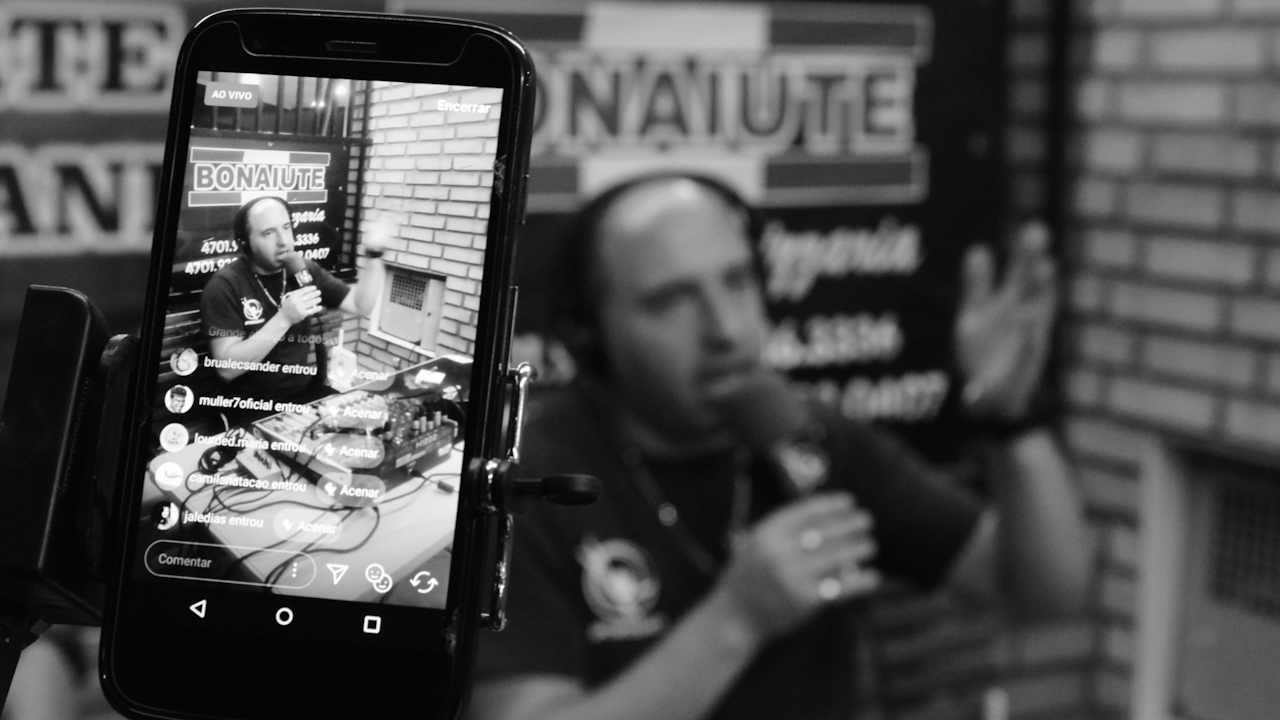
Financial podcasts have become one of the most accessible ways to build knowledge about money management, investing, and economic trends. Whether you commute to work, exercise at the gym, or handle chores around the house, these shows turn otherwise ordinary time into opportunities for learning. In an era when financial decisions grow more complex with market volatility, inflation concerns, and evolving investment options, podcasts deliver expert insights, real world stories, and practical advice without requiring you to sit down with a textbook or attend a seminar. They suit beginners who need foundational concepts as well as seasoned listeners who seek advanced strategies. Many episodes run between 20 and 60 minutes, making them easy to fit into daily routines. Best of all, most are free on platforms such as Apple Podcasts, Spotify, and YouTube.
Listeners gain more than facts. They hear diverse perspectives from hosts who range from radio personalities to successful investors. Shows often feature guest interviews with billionaires, economists, and everyday people who have overcome debt or built wealth. This format keeps content engaging and relatable. Research from 2026 rankings highlights podcasts that maintain high quality production and consistent releases. They cover topics from debt reduction and budgeting to stock analysis and macroeconomic trends. By following a mix of shows, you can create a well rounded financial education plan. The selections below represent the strongest options based on listener engagement, expert endorsements, and relevance for 2026 audiences. Each one stands out for its unique approach, host expertise, and ability to deliver actionable value.
The Ramsey Show
The Ramsey Show stands as a cornerstone for personal finance listeners who want straightforward guidance on everyday money challenges. Hosted by Dave Ramsey along with a team of co hosts including Rachel Cruze, John Delony, and George Kamel, the program airs multiple times each week with call in segments where listeners share their financial situations. Episodes typically last around 60 minutes and focus on core principles such as the debt snowball method, the seven baby steps to financial peace, and building emergency funds. Ramsey emphasizes living debt free, avoiding credit cards, and creating budgets that prioritize necessities before luxuries.
The show appeals especially to beginners and families facing debt or living paycheck to paycheck. Callers receive direct, sometimes tough love advice delivered with encouragement and real life examples. Recent episodes tackle inflation impacts on household budgets, student loan strategies in the current economy, and retirement planning adjustments for 2026. The motivational tone inspires action rather than overwhelming listeners with jargon. Production remains simple yet professional, with clear audio and occasional humor to keep energy high. Fans praise the program for its no nonsense style that has helped millions pay off debt and build wealth. New listeners can start with classic episodes on budgeting before moving to current market discussions. The Ramsey Show continues to rank among the top personal finance programs because it translates complex money concepts into simple, repeatable steps that produce measurable results.
Planet Money
Planet Money from NPR offers an entertaining dive into economic stories that shape daily life. A rotating team of hosts, including Stacey Vanek Smith, Kenny Malone, and Amanda Aronczyk, delivers episodes that run 20 to 30 minutes several times per week. The format relies on storytelling rather than lectures, turning topics like supply chains, taxes, and cryptocurrency into compelling narratives with humor and clear explanations. Listeners learn why certain policies affect prices at the grocery store or how global events influence job markets without needing prior economics knowledge.
The show excels at making abstract concepts concrete through real world reporting and experiments. One episode might follow a company navigating trade tariffs while another explores the history of inflation through personal interviews. In 2026, Planet Money continues to address timely issues such as artificial intelligence impacts on labor, sustainable investing trends, and central bank decisions. The lighthearted approach attracts a broad audience that includes students, professionals, and retirees who want to understand news headlines better. High production values feature sound effects and field recordings that enhance engagement. Listeners often finish episodes feeling smarter and more informed about forces that influence their wallets. Planet Money ranks consistently high because it bridges the gap between academic economics and practical understanding, helping followers make better informed financial choices in an ever changing world.
We Study Billionaires
We Study Billionaires, produced by The Investor’s Podcast Network, delivers in depth lessons from the world’s most successful investors. Hosts Stig Brodersen, Preston Pysh, William Green, Clay Finck, and Kyle Grieve rotate duties across episodes that release multiple times weekly and average 60 to 80 minutes. The flagship series interviews or analyzes strategies from figures like Warren Buffett and Howard Marks, breaking down value investing, portfolio construction, and macroeconomic trends. Additional segments cover Bitcoin fundamentals and interviews featured in the Richer, Wiser, Happier series.
This podcast suits intermediate to advanced listeners who want to apply proven tactics to their own portfolios. Episodes dissect financial statements, discuss market cycles, and explore alternative assets such as real estate and cryptocurrencies. The conversational style feels like sitting in on a master class with world class mentors. Audio quality remains exceptional, and guests include hedge fund managers and company executives who share unfiltered insights. With over 180 million downloads, the show has built a loyal community that values its focus on long term thinking rather than short term trading tips. In 2026, episodes address emerging opportunities in technology sectors and inflation resistant strategies. Newcomers benefit from starting with classic Buffett breakdowns before progressing to current market analyses. We Study Billionaires earns its place as a top investing podcast by transforming complex ideas into practical knowledge that listeners can implement immediately.
How to Money
How to Money provides relatable advice tailored for ordinary people navigating real life financial hurdles. Best friends Joel Larsgaard and Matt Altmix host the weekly show, which runs about 45 minutes per episode. They cover budgeting techniques, debt payoff strategies, DIY investing, and smart spending hacks with a casual, supportive tone that feels like chatting with trusted pals. Episodes often respond to listener questions and include segments on side hustles, retirement accounts, and avoiding common money traps.
The program targets young adults, families, and anyone who feels overwhelmed by financial advice that seems out of touch. Hosts emphasize balance, encouraging listeners to enjoy life while building security. Recent topics include negotiating raises in tight job markets, choosing between Roth and traditional retirement accounts, and preparing for potential economic shifts in 2026. The friendly dynamic keeps episodes entertaining without sacrificing substance. Listeners appreciate the actionable steps presented in plain language, such as step by step guides to automate savings or compare insurance options. How to Money stands out for its consistency and focus on sustainable habits rather than get rich quick schemes. It ranks highly among practical personal finance shows because it empowers listeners to take control without requiring advanced knowledge or large starting capital.
Stacking Benjamins
Stacking Benjamins brings humor and practical wisdom to personal finance discussions. Joe Saul Sehy and co host OG lead the show, which releases episodes several times weekly and lasts around 60 minutes. The format mixes financial headlines, listener mail, and trivia segments with serious advice on investing, debt management, and retirement planning. Guests range from everyday success stories to industry experts who share transparent journeys.
This podcast appeals to listeners who want education wrapped in entertainment. The light tone prevents money talks from feeling heavy while still delivering valuable insights on topics like credit score improvement, tax strategies, and emergency fund building. In 2026, episodes tackle current events such as market volatility and new savings tools. The award winning production includes sound bites and jokes that make complex subjects memorable. Listeners often cite the community feel and relatable hosts as reasons they return weekly. Stacking Benjamins earns strong recommendations because it proves financial literacy can be fun and approachable, helping followers stay engaged long enough to see real progress in their money habits.
BiggerPockets Money Podcast
BiggerPockets Money Podcast focuses on wealth building through smart habits and real estate strategies. Hosts Mindy Jensen and Scott Trench guide discussions that explore earning more, spending less, and investing wisely. Episodes run 30 to 60 minutes and release multiple times per week with interviews from people who have achieved financial independence. Topics include house hacking, rental property management, side income ideas, and mindset shifts for long term success.
The show serves beginners and experienced investors alike, particularly those interested in real estate as a path to freedom. Practical tools and case studies help listeners calculate returns, avoid pitfalls, and scale their portfolios safely. Recent 2026 episodes address interest rate changes, market cooling strategies, and alternative investments beyond traditional property. The supportive community atmosphere encourages questions and shared experiences. BiggerPockets Money stands out for its emphasis on action over theory, providing templates and checklists that listeners can apply right away. It ranks among the best for those who want to move beyond basic saving into active wealth creation.
Masters in Business
Masters in Business, hosted by Barry Ritholtz on Bloomberg, features extended conversations with leading figures in finance and economics. Episodes typically last 60 minutes or more and release weekly. Ritholtz asks thoughtful questions that uncover strategies, career lessons, and market outlooks from top investors, executives, and analysts. Guests discuss everything from portfolio construction to behavioral biases that affect decision making.
This podcast targets intermediate and advanced listeners who appreciate nuanced analysis. The professional production and deep dives provide context for current market movements and historical patterns. In 2026, conversations often explore artificial intelligence investments, global economic shifts, and regulatory changes. Listeners gain perspective that helps them refine their own approaches rather than follow generic tips. Masters in Business earns its reputation through high caliber guests and Ritholtz’s insightful hosting style. It complements other shows by offering big picture views that connect personal decisions to broader trends.
Invest Like the Best
Invest Like the Best, hosted by Patrick O’Shaughnessy, explores ideas from world class investors and business leaders. Episodes run 60 to 90 minutes and release regularly with in depth interviews on topics ranging from private equity to technology disruption. Guests share frameworks for evaluating opportunities, managing risk, and building resilient portfolios.
The show appeals to serious investors seeking sophisticated strategies. Clear explanations make advanced concepts accessible without diluting depth. Recent episodes cover emerging sectors and timeless principles that remain relevant in 2026 markets. High quality audio and focused discussions keep listeners engaged throughout. Invest Like the Best ranks highly because it prioritizes timeless wisdom over fleeting trends, helping followers develop independent thinking skills.
Odd Lots
Odd Lots from Bloomberg, hosted by Joe Weisenthal and Tracy Alloway, examines unusual market stories and economic puzzles. Episodes last about 45 minutes and release several times weekly. The duo interviews experts on topics that mainstream coverage often overlooks, such as niche financial instruments, supply chain quirks, and behavioral market anomalies.
This podcast suits listeners who enjoy thoughtful analysis with a curious edge. Witty banter keeps discussions lively while delivering substantial insights. In 2026, episodes address cryptocurrency developments, labor market shifts, and policy impacts. Odd Lots stands out for its ability to connect obscure details to larger financial pictures, enriching overall market understanding.
ChooseFI
ChooseFI guides listeners toward financial independence through practical steps and community stories. Hosts Brad Barrett and a rotating team share strategies on frugality, passive income, tax optimization, and lifestyle design. Episodes run 45 to 60 minutes and appear weekly with both solo discussions and guest interviews.
The program targets anyone pursuing early retirement or greater flexibility. Motivational tales from real people demonstrate achievable paths without extreme sacrifice. Topics in 2026 include updated retirement calculators and side hustle scaling. ChooseFI builds a supportive network that extends beyond episodes through forums and challenges. It earns praise for balancing inspiration with detailed how to guidance.
Incorporating these podcasts into your routine requires little effort yet yields significant returns. Start with two or three that match your current needs, such as debt reduction or basic investing. Listen actively by taking notes or discussing key points with family or friends. Revisit older episodes for foundational refreshers while staying current with new releases. Over time, this habit compounds knowledge much like financial investments compound returns. Diversify across categories to avoid echo chambers and gain balanced perspectives. Many shows offer bonus content through newsletters or websites for deeper exploration.
Financial podcasts democratize access to expert guidance that once required expensive courses or personal advisors. By following the programs highlighted here, you equip yourself with tools to navigate 2026 and beyond with greater confidence. Consistent listening fosters better habits, sharper decision making, and ultimately stronger financial security. Begin today with one episode and watch your money mindset transform.