

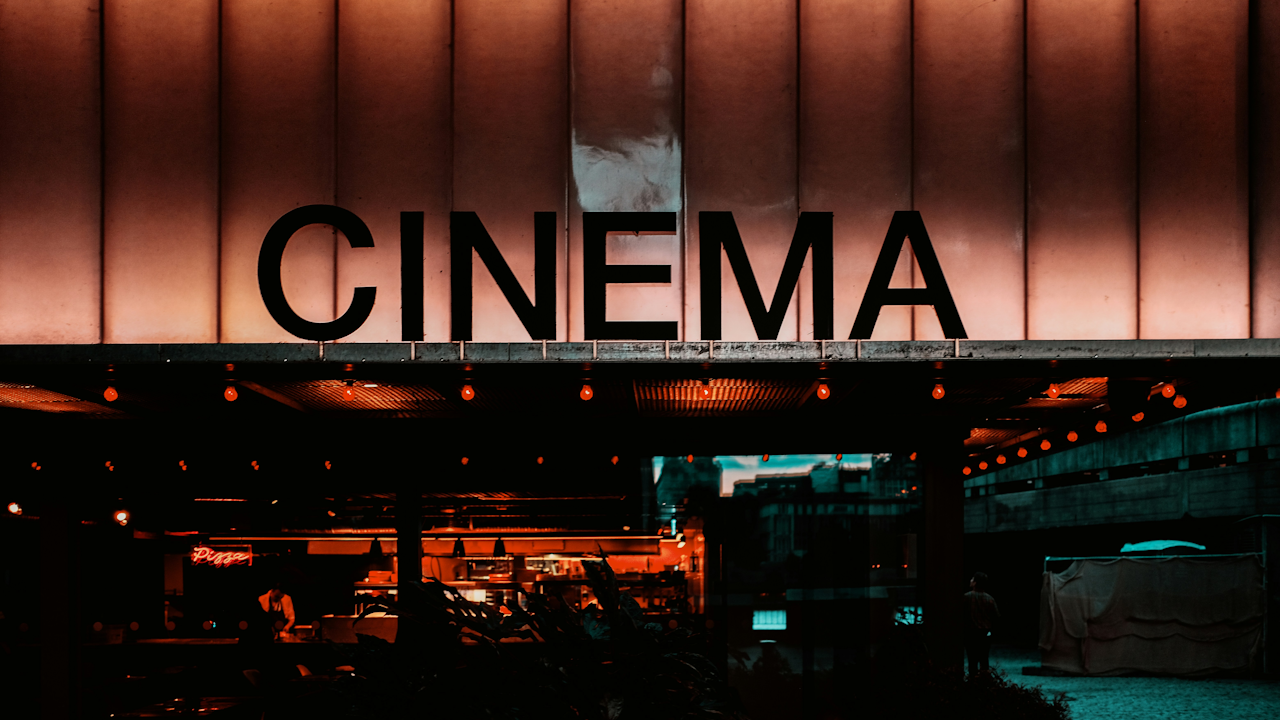
In filmmaking the opening scene serves as the ultimate first impression. It must seize attention within seconds establish the tone introduce key elements of character or world and spark an irresistible urge to keep watching. A great opening does not merely begin a story. It promises something extraordinary and delivers on that promise immediately. Directors use every tool at their disposal: striking visuals layered sound design sharp dialogue rapid editing or deliberate silence. These choices create instant emotional investment whether through shock curiosity dread or awe. The best openings feel alive with possibility. They hint at larger themes without explanation and leave viewers breathless for what comes next. Across decades of cinema certain openings have achieved legendary status precisely because they accomplish all this so effortlessly. They hook audiences so completely that the rest of the film rides on that initial momentum. What follows is an exploration of ten such scenes. Each one demonstrates a different facet of the craft yet all share the same power: they make the screen impossible to turn away from right from the start.
1. Apocalypse Now (1979)
The film begins in total darkness. The faint whir of rotor blades fades in followed by the unmistakable guitar riff of The Doors song The End. A dense green jungle appears on screen. Palm trees sway lazily under a hazy sky. Suddenly the trees ignite in a fireball of napalm. The explosion spreads silently at first then the roar crashes in. Captain Benjamin Willard lies on a bed in a Saigon hotel room. Sweat glistens on his face. A ceiling fan spins overhead mimicking helicopter blades. His eyes stare at nothing. A voiceover begins gravelly and exhausted: Saigon. Shit. He rises stumbles to the window and eventually smashes a mirror in a fit of rage. The sequence intercuts the burning jungle with his claustrophobic room creating a seamless blend of memory hallucination and reality.
This opening works through pure sensory overload. The music does not simply accompany the images. It merges with them until the song feels like an extension of Willards fractured mind. The napalm strike establishes the horror of the Vietnam War without a single line of exposition. Viewers grasp the protagonists inner torment instantly because the editing equates his personal breakdown with the larger chaos of combat. No backstory is needed. The scene plants the central question: how far will this man travel into madness? Within ninety seconds the audience is already committed to the river journey ahead.
2. Pulp Fiction (1994)
A normal diner fills the frame. Two young lovers Pumpkin and Honey Bunny sit in a booth sipping coffee. Their conversation starts casual then turns philosophical about the risks of robbing banks versus liquor stores. Suddenly they pull guns and announce a holdup. The camera stays calm circling the room as panic spreads among the patrons. The entire sequence unfolds in one unbroken take laced with Tarantino dialogue that mixes menace with dark humor. The scene ends on a freeze frame just as the tension peaks leaving the robbery unresolved.
What hooks viewers is the deceptive ordinariness. The opening feels like it could be any morning until the guns appear. The dialogue reveals character instantly: Pumpkin is talkative and romantic while Honey Bunny is volatile. Tarantino trusts the audience to follow rapid shifts in tone from mundane to explosive. By withholding resolution the scene creates immediate curiosity about how these two fit into the larger web of stories. The casual brutality also signals the films style: violence is everyday and conversations are the real fireworks. Audiences lean forward because they sense the entire movie will reward close attention to every word and gesture.
3. Goodfellas (1990)
As far back as I can remember I always wanted to be a gangster declares Henry Hill in voiceover. The screen shows a dark highway at night. A car glides along. Inside Henry and his two associates Jimmy and Tommy hear a thumping noise from the trunk. They pull over open the trunk and discover a half dead man wrapped in blood soaked sheets. Tommy stabs him repeatedly while Jimmy finishes the job with a bullet. The trunk lid slams shut. The camera pulls back revealing the three men standing casually over their victim. The voiceover continues explaining how this moment was just another day in the life.
Martin Scorseses genius lies in the contrast between the gruesome act and the nonchalant narration. The voiceover makes the violence feel intimate and matter of fact turning viewers into confidants. The tracking shot that follows the car creates a sense of inevitable momentum. Light from passing streetlamps flickers across the mens faces revealing nothing but boredom. This opening establishes the moral universe of the film where murder is routine and loyalty is everything. It also introduces the central paradox: Henry loves this world even as it destroys him. The instant hook comes from the collision of glamour and savagery.
4. The Godfather (1972)
A lavish wedding reception unfolds in bright sunlight. Guests dance eat and gossip in the backyard of a Long Island estate. Inside a dimly lit study Don Vito Corleone sits behind a desk granting favors. An undertaker named Bonasera pleads for revenge against men who brutalized his daughter. The Don listens calmly then delivers his famous line: Someday and that day may never come I will call upon you to do a service for me. Outside the party continues unaware. The camera glides between the festive exterior and the shadowy interior creating an elegant counterpoint.
Francis Ford Coppola uses this sequence to introduce the entire Corleone family without a single clumsy line of exposition. Every detail counts: the way the Don commands respect the subtle power dynamics among his sons and the contrast between public celebration and private business. The scene establishes the films central theme: family as both sanctuary and trap. Viewers are drawn in by the quiet authority of the performances and the meticulous framing. The opening promises a story of loyalty betrayal and power that feels mythic yet deeply human. It hooks because it makes the audience feel like insiders witnessing something profound.
5. Citizen Kane (1941)
A forbidding wrought iron gate fills the screen with a No Trespassing sign. The camera slowly ascends past fences and gardens toward a distant hilltop mansion. Lights flicker inside. A snow globe rests on a bedside table. An old man whispers Rosebud then dies. The globe slips from his hand and shatters. Newsreel footage follows chronicling the life of Charles Foster Kane but the true opening moment lingers on that single enigmatic word.
Orson Welles begins with pure visual poetry. The slow crane shot builds mystery layer by layer turning the mansion into a symbol of isolation and lost dreams. The deathbed scene is brief yet unforgettable because it withholds explanation. Why Rosebud? The question burns immediately. By framing the story as an investigation the opening transforms passive viewing into active curiosity. Every subsequent scene feels like a puzzle piece. This technique revolutionized how films could open by treating the audience as detectives rather than spectators.
6. Jaws (1975)
A young woman swims alone at night in the ocean. She is playful and slightly drunk. Underwater the camera tracks her legs from below. Suddenly she is yanked violently. She screams thrashes and disappears beneath the surface. The water turns calm again. The next morning the beach is peaceful until the girls remains wash ashore. Chief Brody learns of the shark attack but the town wants to keep it quiet.
Steven Spielberg masterfully builds dread through what is unseen. John Williams pulsing score mimics a heartbeat growing faster as the unseen predator approaches. The opening establishes the primal terror of the ocean and the vulnerability of ordinary people. Viewers feel the panic viscerally because the attack is shown from the sharks perspective. The scene also plants social tension: safety versus tourism dollars. It hooks because it taps into universal fear while grounding it in relatable human folly. No one forgets the helplessness of that first victim.
7. The Dark Knight (2008)
A bank heist unfolds in broad daylight. Masked robbers methodically take control. One robber complains about the boss while another drills into a safe. Tension rises when they discover the manager has wired the building with explosives. The leader removes his mask revealing the Joker with smeared makeup and a Glasgow smile. He explains his twisted philosophy through casual threats and detonates the charges. The robbers turn on each other exactly as planned. The Joker escapes with the money.
Christopher Nolan uses the sequence to introduce the films central antagonist as a force of pure chaos. The heist is efficient yet laced with dark humor. Heath Ledgers performance electrifies every frame: the way he tilts his head the deadpan delivery of lines that should not be funny. The opening establishes the Jokers unpredictability and the theme that some men just want to watch the world burn. Viewers are hooked because the scene feels dangerous and alive. It promises a battle of wits where rules no longer apply.
8. Inglourious Basterds (2009)
A French farmhouse sits quietly in the countryside. Colonel Hans Landa of the SS arrives to interrogate the dairy farmer about hidden Jews. The conversation begins politely in French then shifts to English and German. Landa circles the room sipping milk smiling warmly while describing his reputation as the Jew Hunter. Under the floorboards a Jewish family hides in terror. The tension builds through long takes and escalating questions until gunfire erupts.
Quentin Tarantino turns dialogue into a weapon. Christoph Waltz performance makes Landa charming and terrifying in equal measure. The scene unfolds like a chess match where every word is a potential checkmate. Viewers feel the suffocating suspense because the camera stays tight on faces and gestures. The opening establishes the films blend of historical drama and revenge fantasy. It hooks through psychological pressure rather than action proving that quiet menace can be more devastating than explosions.
9. There Will Be Blood (2007)
A barren desert stretches under a merciless sun. A lone prospector Daniel Plainview digs a narrow shaft by hand. He strikes oil but falls breaking his leg. With grim determination he hauls himself and a heavy can of oil up the rope ladder. Later he stands over an orphaned infant in a makeshift crib. The sequence is almost entirely silent except for the scrape of tools and the infants cries.
Paul Thomas Anderson creates epic scope from intimate struggle. Daniel Day Lewis physicality conveys ruthless ambition without a word. The silence forces viewers to focus on every labored breath and calculated glance. The opening establishes the films themes of greed isolation and the American dream gone feral. It hooks because it reveals character through action alone. Audiences sense they are watching a man who will stop at nothing and they cannot look away.
10. Raiders of the Lost Ark (1981)
Indiana Jones leads a small expedition through the Peruvian jungle. He navigates booby traps with calm expertise while his greedy guide panics. They reach a temple filled with golden idols. Indy swaps the idol for a bag of sand triggering a massive boulder that rolls toward him. He sprints dodges arrows and leaps across chasms barely escaping with his life. The sequence ends with him running from a tribe of angry warriors straight into a rival archaeologist waiting with a gun.
Steven Spielberg packs the opening with nonstop set pieces that feel like a theme park ride engineered for maximum thrill. Harrison Ford radiates cool competence even in mortal peril. The humor arises from Indys wry expressions and the guides instant betrayal. This scene establishes the films tone: adventure that is both deadly serious and delightfully playful. It hooks because it delivers pure cinematic joy while hinting at larger stakes involving ancient artifacts and Nazis. Viewers are swept along by the momentum and never want it to stop.
These ten openings prove that the first moments of a film are sacred ground. They teach us that storytelling begins not with explanation but with immersion. Whether through sound design psychological tension physical action or quiet menace each scene demonstrates a unique path to the same destination: total audience surrender. Filmmakers who master this art understand that once the hook is set the story can go anywhere and we will follow gladly. The next time a screen fades from black remember that the real magic often happens before the title even appears.