

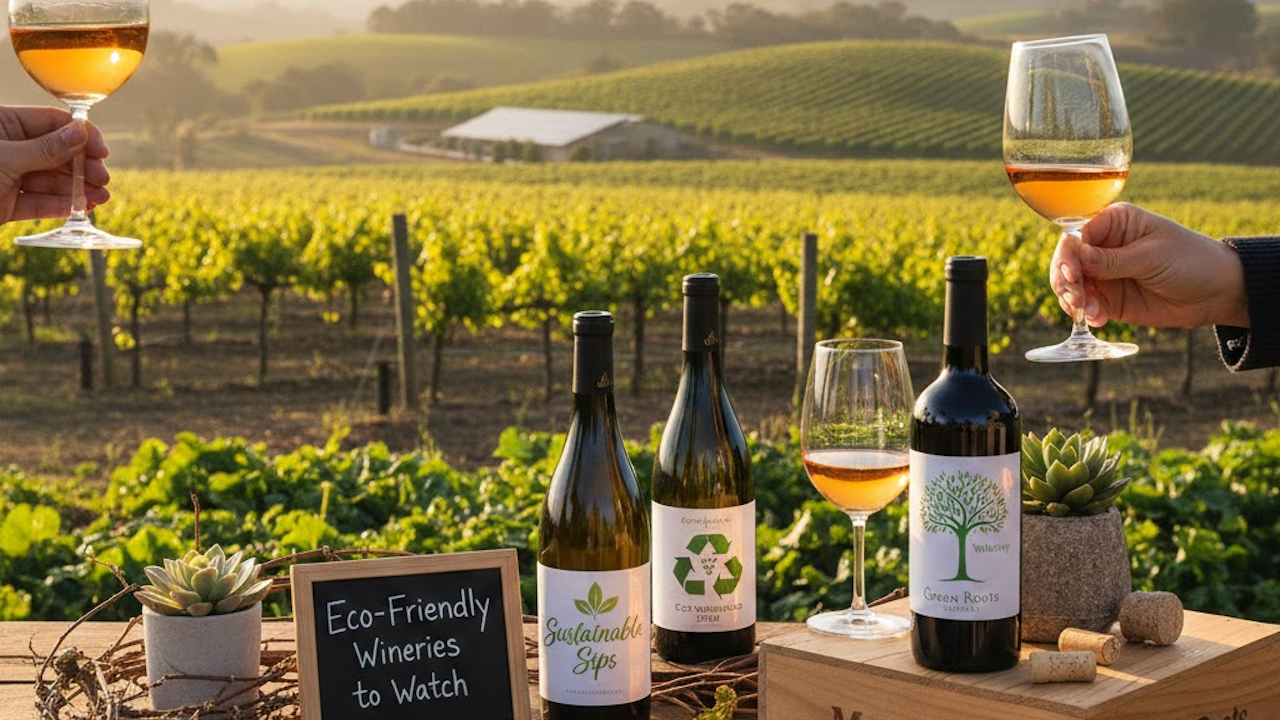
In an era where environmental consciousness shapes consumer choices, the wine industry stands at the forefront of innovation. Sustainable winemaking is no longer a niche pursuit but a vital movement that blends tradition with forward-thinking practices. From reducing carbon footprints to preserving biodiversity, eco-friendly wineries are redefining how we enjoy our favorite vintages. As we look toward 2026, several producers are emerging as leaders in this space, combining exceptional wines with commitments to the planet. This article explores the principles behind sustainable sips and highlights wineries worth watching, both in the United States and abroad.
The Rise of Sustainable Winemaking
Sustainable winemaking encompasses a range of practices aimed at minimizing environmental impact while maintaining high-quality production. Key approaches include organic farming, which avoids synthetic pesticides and fertilizers; biodynamic methods, which treat the vineyard as a self-sustaining ecosystem; and regenerative agriculture, which focuses on soil health and carbon sequestration. These techniques not only protect the land but also often result in more expressive wines that reflect their terroir.
According to industry reports, over 60 percent of California’s vineyards are now certified sustainable, with similar trends worldwide. This shift is driven by climate change challenges, such as erratic weather patterns and water scarcity, prompting wineries to adapt. Regenerative practices, for instance, use cover crops, animal grazing, and minimal tillage to restore soil vitality. In 2026, expect to see more wineries adopting these methods, as consumers increasingly seek out bottles that align with their values. Trends like low-alcohol wines and adaptive grape varieties will further emphasize sustainability, ensuring the industry’s resilience.
Eco-Friendly Wineries in the United States
The U.S. wine scene is a hotbed for sustainable innovation, particularly in regions like California, Oregon, Washington, and New York. Here, wineries are leveraging certifications such as Napa Green, Demeter, and LEED to showcase their eco-credentials. Let’s delve into some standout producers that are not only practicing sustainability but also pushing boundaries in 2026.
California: A Hub of Green Innovation
California boasts the highest concentration of sustainable wineries in the nation, with 40 percent of the state’s certified operations located in Napa Valley alone. Among them, Benziger Family Winery in Sonoma Valley has been a pioneer for over two decades. This family-owned estate farms its vineyards biodynamically, using natural preparations and composting to foster a balanced ecosystem. Their practices include insectaries for beneficial bugs and sheep for natural weed control. Benziger’s Tribute Estate Tour offers visitors a glimpse into these methods, highlighting how biodiversity enhances wine quality. With a focus on vibrant, character-driven wines like their Cabernet Sauvignon, Benziger continues to influence the region and is one to watch as sustainable tourism grows in 2026.
Bonterra Organic Estates, based in Hopland, represents large-scale sustainability. As one of the biggest organic wine producers in the U.S., Bonterra has been certified organic for 30 years. They source grapes from across California and support partners in transitioning to organic farming through education and tools. Their regenerative efforts include cover crops and biodiversity corridors that sequester carbon and improve soil health. In 2026, Bonterra’s expansion into low-sugar, health-focused wines positions them as a leader in the “better-for-you” category, appealing to eco-conscious millennials and Gen Z drinkers.
Wilson Creek Winery in Temecula exemplifies regenerative farming in action. Their tractor tours showcase living soils enriched by cover crops, sheep grazing, and biodiversity initiatives. This approach not only restores the land but also produces flavorful wines like their Almond Sparkling. As regenerative agriculture gains traction as a top trend for 2026, Wilson Creek’s growth in premium sales makes it a winery to monitor closely.
Quivira Vineyards in Sonoma stands out for its holistic approach. Practicing organic farming since the early 2000s, they compost pomace and manure to nourish soils and use cover crops extensively. Quivira has restored Wine Creek for salmon habitats and maintains beehives and chicken flocks for pollination and pest control. Over half their energy comes from solar panels, reducing their carbon footprint. Their Zinfandels and Sauvignon Blancs reflect this vitality, and with Sonoma County’s 99 percent sustainable vineyard certification, Quivira is poised for international recognition in 2026.
Oregon: Biodynamic and Beyond
Oregon’s Willamette Valley is synonymous with sustainable excellence. Brooks Winery remains one of the few Demeter-certified biodynamic operations in the region. They emphasize lunar cycles and natural preparations to create harmonious vineyards, resulting in elegant Pinot Noirs and Rieslings. As Oregon focuses on Chardonnay in 2026, Brooks’ innovative whites will likely shine, drawing attention for their purity and environmental stewardship.
Stoller Family Estate, also in Oregon, rebuilt its facility with recycled materials and became the first Northwest winery to generate solar energy via rooftop panels. Their LEED-certified building incorporates energy-efficient designs, and vineyard practices prioritize water conservation. Stoller’s Pinot Noirs embody the region’s terroir, and their commitment to sustainability positions them as an emerging force in eco-tourism for the coming year.
Washington and New York: Emerging Eastern Influences
In Washington State, Hedges Family Estate in the Red Mountain AVA has been biodynamic since 2006, one of only three in the state. Their conversion, led by the next generation, paves the way for others, producing robust reds like Syrah. With Washington’s value-driven wines gaining buzz in 2026, Hedges is a key player in sustainable expansion.
New York’s Finger Lakes region features Red Tail Ridge Winery, groundbreaking with geothermal energy for heating and cooling. Their LEED Gold-certified facility uses solar and water conservation, while vineyards are managed sustainably. Rieslings and Pinot Noirs from here are crisp and expressive, and as New York wines rev up in 2026, Red Tail Ridge’s eco-innovations make it a must-watch.
International Gems: Global Sustainability Leaders
Beyond the U.S., international wineries are setting benchmarks. In France, Champagne Palmer in Bezannes uses sustainable materials like tile instead of plastic in construction, reducing petrol-based products. Their eco-build aligns with Champagne’s goal of zero herbicides by 2025, producing elegant bubbles that embody environmental progress. As France adapts to climate change, Palmer is one to watch in 2026.
South Africa’s Western Cape, including Stellenbosch and Franschhoek, emphasizes biodiversity through initiatives like the Biodiversity & Wine Initiative. Hartenberg Wine Estate leads in regenerative Syrah production, using practices that combat climate change. Their carbon-sequestering methods and bold wines position them as a rising star in global sustainable trends for 2026.
In Chile, over 75 percent of producers follow a Sustainability Code, leveraging arid climates to minimize pesticides. Regions like Maipo and Colchagua produce natural, adaptive wines that will gain traction as sustainability becomes a global priority.
Future Trends in 2026
Looking ahead, 2026 will see regenerative agriculture dominate, with wineries like those in Bordeaux embracing new techniques for eco-friendly production. Low-alcohol and non-alcoholic options will expand, often from sustainable sources. Emerging regions like Portugal’s Porto and Slovenia’s Maribor will highlight heritage grapes and green practices, offering value and authenticity. Wine tourism will evolve, with experiences like biodynamic tours becoming mainstream, boosting income for eco-wineries.
Conclusion
Sustainable sips are more than a trend; they represent a commitment to the future of wine. The wineries highlighted here, from Benziger’s biodynamic estates to Hartenberg’s regenerative fields, are leading the charge. As consumers, choosing these producers supports environmental health while enjoying exceptional wines. In 2026, keep an eye on these eco-friendly innovators-they’re not just making wine; they’re shaping a greener world, one sip at a time.