

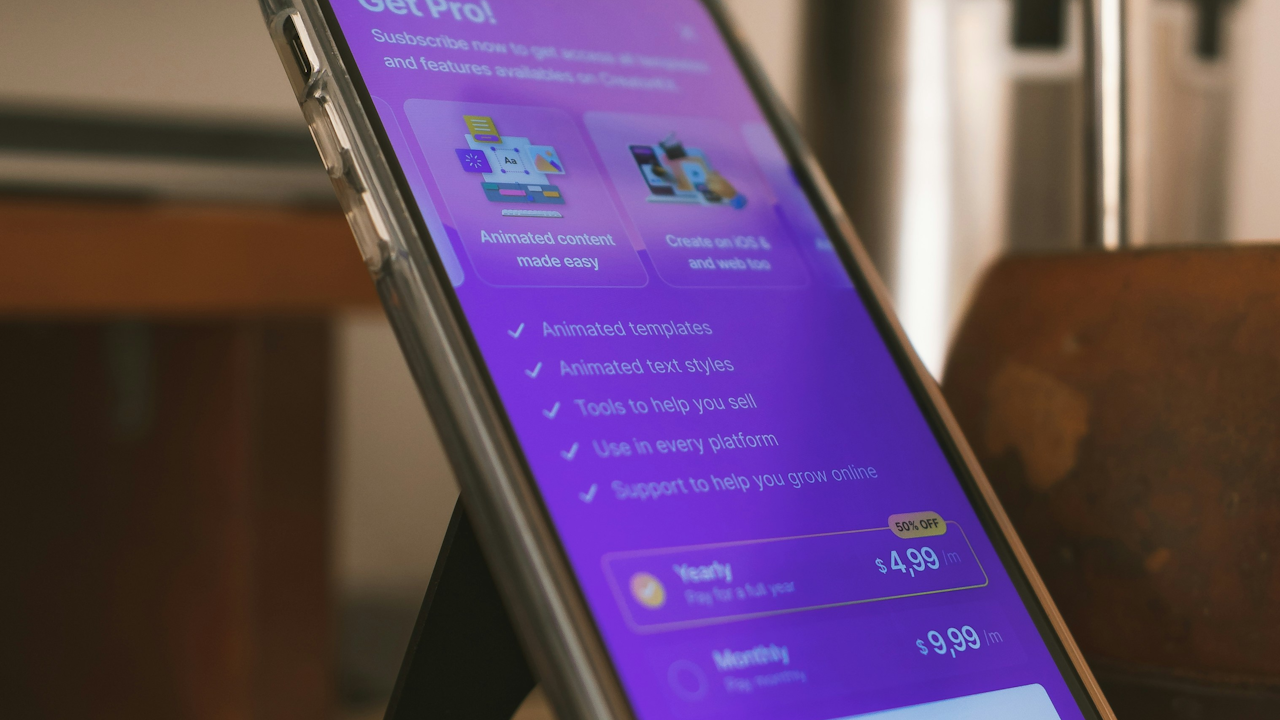
The subscription model represents one of the most significant shifts in modern business strategy. At its core, it involves customers paying a recurring fee, typically monthly or annually, in exchange for ongoing access to products, services, or experiences. This approach contrasts sharply with traditional one-time purchases, where ownership transfers fully upon payment. Instead, subscriptions emphasize access, convenience, and continuous value delivery. Over the past two decades, the model has expanded far beyond its early roots, transforming industries and reshaping consumer expectations. What began as a niche approach in software has now permeated retail, creating steady revenue streams for companies while offering consumers predictable costs and effortless replenishment. The global subscription economy reflects this momentum. Projections place its value at roughly 700 to 850 billion dollars in 2026, with sustained growth expected in the years ahead.
This article explores the journey of subscription models from their digital origins in software to their current prominence in retail. It examines the drivers of adoption, real-world examples, benefits, challenges, and future directions. The evolution underscores a broader economic transition: from owning assets outright to paying for sustained utility. In an era of digital connectivity and data-driven personalization, subscriptions align perfectly with consumer desires for flexibility and businesses’ needs for reliable cash flow.
Historical Roots and Early Forms
Subscriptions are not a new concept. For centuries, consumers have paid periodically for recurring deliveries of newspapers, magazines, and even milk or bread through local routes. These arrangements provided publishers and suppliers with predictable income while building customer loyalty through habit. In the 20th century, book clubs and record-of-the-month services extended the idea into entertainment and culture. Yet these early models remained limited in scale and largely tied to physical logistics.
The true acceleration occurred with the rise of the internet and cloud computing. By the late 1990s and early 2000s, businesses recognized that digital delivery could eliminate many costs associated with physical distribution. This insight paved the way for software companies to pioneer the modern subscription era. The transition marked a departure from upfront license fees, which often required large capital outlays and left customers responsible for their own updates and maintenance.
Software Takes the Lead: The SaaS Boom
Software as a Service, or SaaS, emerged as the catalyst for widespread subscription adoption. In 1999, Salesforce introduced a cloud-based customer relationship management platform that allowed users to pay a monthly fee rather than purchasing and installing expensive on-premise software. This innovation democratized access to sophisticated tools. Companies no longer needed massive servers or dedicated IT teams to run enterprise applications. Instead, everything lived in the cloud, with automatic updates and scalability built in.
The model quickly spread. Microsoft shifted Office from perpetual licenses to Microsoft 365, a subscription suite that includes Word, Excel, and cloud storage. Adobe followed suit with Creative Cloud, replacing one-time purchases of Photoshop and other creative tools with monthly access. These moves were not merely pricing changes; they represented a fundamental rethink of product delivery. Customers gained perpetual access to the latest features without additional costs for upgrades. Providers, in turn, benefited from recurring revenue that improved financial forecasting and encouraged ongoing innovation to retain users.
SaaS companies soon dominated the technology sector. By the mid-2010s, the approach had become the default for new software startups. Tools for project management, accounting, marketing automation, and collaboration all adopted subscriptions. The advantages proved compelling. Businesses enjoyed lower barriers to entry, easier budgeting, and seamless integration across devices. For developers, the model created opportunities for data collection that informed product improvements and upselling. Subscription metrics such as monthly recurring revenue became key indicators of company health, attracting investors who valued predictability over volatile one-time sales.
The success in software laid the groundwork for broader application. It demonstrated that consumers and businesses alike would embrace recurring payments when they received continuous value, convenience, and reduced risk. This proof of concept encouraged other digital sectors to follow.
Digital Content and Entertainment Subscriptions
Building on SaaS foundations, the entertainment industry embraced subscriptions with remarkable speed. Netflix transitioned from a DVD rental service to a streaming powerhouse in the early 2000s. Its flat monthly fee granted unlimited access to a growing library of movies and original content. The formula disrupted cable television and video rental stores alike. Spotify applied a similar approach to music, offering ad-free listening and personalized playlists for a monthly charge. Apple Music, Disney+, and countless others soon joined the fray.
Gaming followed. Services like Xbox Game Pass let players access a rotating catalog of titles without buying each game individually. Even fitness entered the space, with Peloton combining hardware sales with subscription-based workout classes. These examples highlight a common thread: subscriptions lower the perceived risk of experimentation. Users try new shows, songs, or workouts without committing to full ownership costs.
The digital content boom also fueled hybrid models. Some platforms combined subscriptions with usage-based elements, such as extra data storage or premium features. This flexibility kept the core model intact while accommodating varied consumer needs. By the 2020s, streaming and digital services accounted for a substantial portion of the subscription economy. Yet the real expansion lay ahead, as companies looked beyond bits and bytes to physical products.
The Leap to Retail and Physical Goods
Retailers observed the software and media successes and recognized parallels in consumer behavior. Shoppers already disliked running out of essentials or making repeated trips to stores. Why not apply the subscription logic to everyday items? The result was a surge in subscription commerce, often called subscription boxes or replenishment services.
Early pioneers like Dollar Shave Club launched in 2011 with a simple premise: affordable razor blades delivered monthly, disrupting the traditional grooming aisle dominated by high-margin retail giants. Birchbox offered curated samples of beauty products, turning discovery into a recurring delight. HelloFresh and Blue Apron brought meal kits to kitchens, providing ingredients and recipes on a weekly schedule. These ventures proved that physical goods could thrive under subscription economics when convenience and curation outweighed the hassle of one-off purchases.
Larger retailers soon entered. Amazon launched Subscribe & Save, allowing customers to automate deliveries of pantry staples, toiletries, and pet food at a discount. Amazon Prime evolved into a multifaceted membership that bundled fast shipping, video streaming, and exclusive deals, blurring lines between retail access and entertainment. Walmart+ and similar programs from Target and Costco mirrored this strategy, offering members perks like free delivery and fuel discounts in exchange for an annual fee.
The retail subscription model diversified rapidly. Fashion services such as Stitch Fix used stylist algorithms and customer feedback to deliver personalized clothing boxes. Pet owners subscribed to BarkBox for toys and treats tailored to their dogs’ sizes and preferences. Even luxury segments appeared, with wine clubs, coffee roasters, and vitamin regimens arriving on doorsteps at regular intervals. Some companies focused on access rather than ownership, as seen in rental subscriptions for designer handbags or workwear.
This shift from software to retail was enabled by several factors. E-commerce infrastructure matured, making fulfillment scalable. Data analytics allowed precise personalization, reducing waste and increasing satisfaction. Supply chains adapted to recurring demand, improving inventory forecasting. Most importantly, consumers grew accustomed to the subscription mindset through their digital habits and carried it into physical purchases.
How Retail Subscriptions Operate Today
In practice, retail subscriptions take several forms. Replenishment models handle consumables like laundry detergent or printer ink, ensuring automatic restocks based on usage patterns or fixed schedules. Curated boxes emphasize surprise and discovery, ideal for beauty, snacks, or hobbies. Membership programs, like Amazon Prime, provide broad ecosystem benefits beyond any single product category. Hybrid approaches combine elements, such as a base subscription with add-on purchases.
Technology plays a central role. Artificial intelligence analyzes purchase history, preferences, and even external data like weather or seasonal trends to refine offerings. Mobile apps simplify management, letting users pause, skip, or customize deliveries with a few taps. For businesses, this data creates a virtuous cycle: better insights lead to higher retention, which funds further personalization.
Retail subscriptions now span consumer packaged goods, apparel, home goods, and even automotive services. Some car manufacturers experiment with monthly fees that cover maintenance, insurance, and mileage allowances, treating vehicles more like software licenses than owned assets. The model has even influenced B2B retail, where suppliers offer subscribed deliveries of office supplies or industrial components.
Advantages for Businesses and Consumers
Companies adopting subscriptions gain several strategic edges. Recurring revenue stabilizes cash flow, making it easier to invest in growth and weather economic fluctuations. Customer lifetime value rises as relationships extend over years rather than single transactions. Churn, while a constant focus, is offset by opportunities for upselling and cross-selling within the same platform. Data from subscriptions also informs product development, marketing, and loyalty programs.
For consumers, the benefits center on convenience and value. No more last-minute store runs or forgotten replenishments. Discounts for committed buyers can lower per-unit costs. Personalization feels tailored rather than generic. In a busy world, subscriptions reduce decision fatigue by automating routine choices. Many users report higher satisfaction when services anticipate needs effectively.
Hurdles and Consumer Pushback
Despite the growth, subscriptions face notable challenges. Subscription fatigue has emerged as a real phenomenon. Many households manage dozens of active services across streaming, software, fitness, and retail. Surveys indicate that a significant portion of consumers, around 41 percent in recent studies, feel overwhelmed or believe they pay for underused offerings. Cancellations rise when perceived value dips, especially amid price increases or economic pressure. In retail specifically, some segments have seen slower growth as shoppers reassess non-essential boxes.
Other issues include billing transparency and ease of cancellation. Auto-renewals can catch users off guard, leading to frustration and regulatory scrutiny. For physical goods, logistics challenges arise: damaged deliveries, size mismatches, or quality inconsistencies erode trust. Environmental concerns surface too, as frequent shipments contribute to packaging waste and carbon emissions unless companies adopt sustainable practices.
Businesses must balance acquisition with retention. High churn undermines the model’s financial appeal. Successful operators invest heavily in engagement strategies, such as loyalty tiers, flexible pausing, and clear communication of value. Those who treat subscriptions as ongoing relationships rather than set-it-and-forget-it transactions tend to fare better.
Looking Ahead: Trends Shaping 2026 and Beyond
As the subscription economy matures into 2026, several trends point to continued evolution. Artificial intelligence will deepen personalization, potentially predicting needs before consumers recognize them. Bundled offerings may consolidate multiple services into single platforms, reducing fatigue. Sustainability will gain prominence, with eco-friendly packaging and carbon-neutral delivery becoming competitive differentiators.
Usage-based pricing could blend with traditional subscriptions, charging only for actual consumption in categories like utilities or data. Retailers might integrate subscriptions more deeply with loyalty programs and in-store experiences, creating omnichannel value. Emerging markets will likely accelerate adoption as digital payments expand and middle-class consumers seek convenience.
Challenges will persist. Economic uncertainty may prompt more selective subscribing. Regulators could impose stricter rules on billing practices and consumer protections. Companies that prioritize flexibility, transparency, and genuine utility will thrive. Those relying solely on inertia risk higher churn.
The subscription model has proven resilient. It aligns with broader societal shifts toward experiences over possessions, access over ownership, and relationships over transactions. From software dashboards to grocery deliveries, the core principle remains: deliver consistent value, and customers will pay to keep the relationship alive.
Conclusion
The journey of subscription models from software to retail illustrates a profound change in how value is created and exchanged. What started as a clever workaround for software distribution has become a cornerstone of modern commerce. It empowers businesses with stability and insight while giving consumers tools to simplify their lives. Yet success demands more than automation; it requires empathy, adaptability, and a commitment to earning loyalty cycle after cycle.
As the global market expands toward trillions in the coming decade, the winners will be those who view subscriptions not as billing mechanisms but as partnerships. In this always-connected world, the recurring relationship may well define the most enduring brands. Consumers hold the power to subscribe, renew, or cancel with a click. Companies that remember this simple truth will continue to shape the future of retail and beyond.