

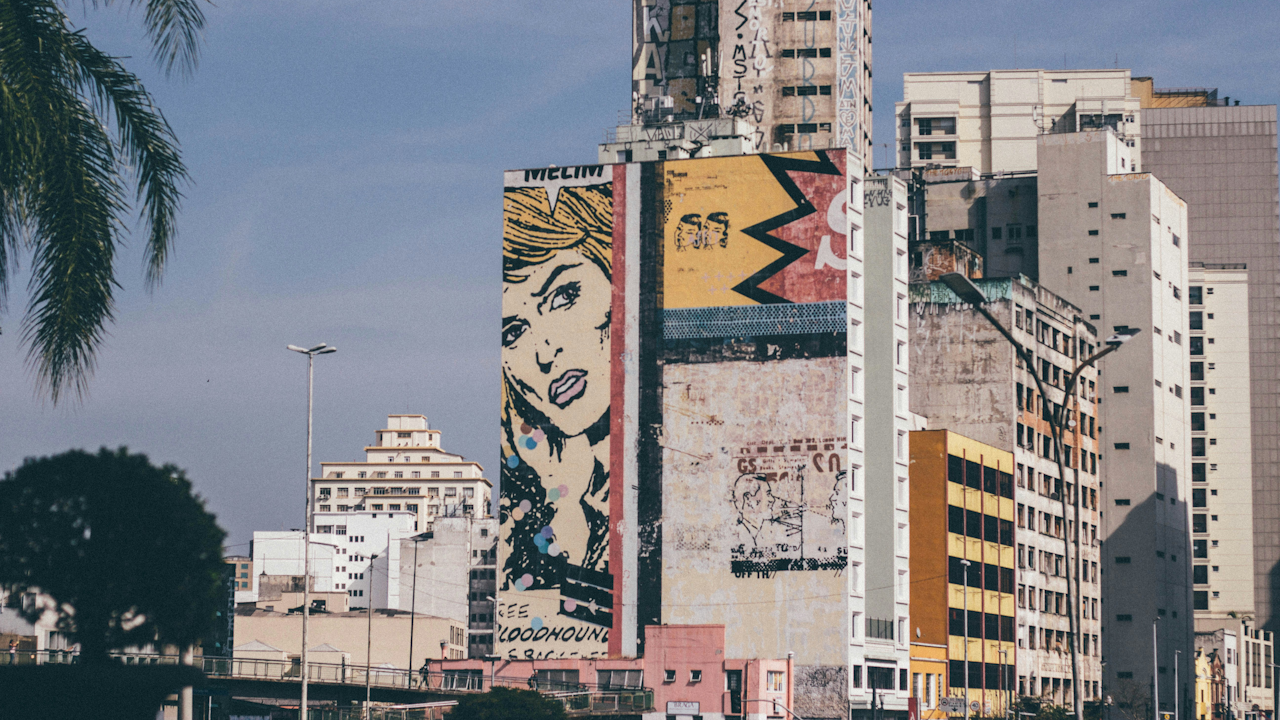
The Evolution of Street Art
Street art has a rich and complex history that dates back to ancient civilizations, where it served as a vital means of communication and expression. Early examples can be found in archaeological sites, showcasing various forms of art on walls and public structures. Initially, these artworks were often created by anonymous artists and functioned as a reflection of cultural narratives, social hierarchies, and community values.
As societies evolved, so did the context and purpose of these public artworks. In the late 19th and early 20th centuries, the rise of urban centers led to a significant shift. Street art began to intertwine with burgeoning social movements. Artists utilized walls as canvases to convey messages related to political unrest, social justice, and community identity. For example, the Mexican muralism movement, which emerged in the 1920s, employed large-scale murals to address issues such as class struggle and nationalism, thus demonstrating the potential of street art as a platform for societal discourse.
In the latter half of the 20th century, particularly during the 1970s and 1980s, graffiti styles evolved, giving rise to a vibrant street art culture. This era saw street art labeled as vandalism, leading to a contentious relationship with law enforcement. However, its notoriety did not hinder its popularity. Instead, figures such as Jean-Michel Basquiat and Keith Haring began to elevate the medium into recognized fine art, bridging the gap between street art and gallery exhibitions.
Today’s street art continues to thrive as it adapts to contemporary themes and technology. It now reflects a diverse range of social issues, from climate change to racial inequality, and has gained acceptance as a legitimate form of artistic expression. The evolution of street art mirrors the ever-changing landscape of urban culture, exemplifying how public expression can influence society and foster community engagement.
Iconic Murals That Changed Urban Landscapes
The impact of iconic murals on urban landscapes cannot be overstated, as these large-scale artworks often serve as powerful tools for social and cultural expression. One of the most renowned examples is the “Hope” mural by Shepard Fairey, which emerged during the 2008 presidential campaign in the United States. This artwork not only propelled Fairey to global fame but also galvanized a movement of civic engagement, encouraging communities to take part in the political dialogue. The mural, depicting Barack Obama, became a symbol of hope and change, fostering discussions about race, identity, and the role of art in politics.
Another pivotal mural is “The Flower Thrower” by Banksy, located in Bethlehem. This piece features a protester throwing a bouquet of flowers instead of a Molotov cocktail, embodying the ideals of peace and non-violence amidst conflict. Its strategic placement in a contested area invites viewers to reflect on the ongoing strife in the region while simultaneously promoting messages of love and unity. The mural has attracted tourists from around the globe, thus impacting local economies and encouraging dialogue about the Palestinian-Israeli conflict.
In Mexico City, the “Man at the Crossroads,” a mural initially created by Diego Rivera, showcases the clash between capitalist and socialist ideologies. Though heavily censored, the mural remains a testament to Rivera’s vision of social justice. Its restoration has inspired a resurgence of interest in public art as a vehicle for social change, leading to artistic movements that engage with community stories and local histories. Such murals foster community pride and invite collaboration among artists, local businesses, and residents, ultimately redefining urban spaces as thriving cultural hubs.
The Role of Community in Street Art
Community involvement plays a pivotal role in the creation and appreciation of street art, acting as a vital bridge between artists and the neighborhoods they transform. Local communities are not merely passive observers; they actively contribute to the artistic process by sharing insights into their culture and experiences. By influencing themes and narratives, residents ensure that the murals reflect the unique identity of the area, often addressing relevant social issues that resonate with them.
For instance, in districts renowned for vibrant street art, such as Wynwood in Miami, local residents have collaborated with artists to create works that celebrate their rich cultural heritage. This partnership often results in murals that tell compelling stories, enhancing the community’s cultural fabric while attracting visitors, thus promoting local businesses. Initiatives like the Wynwood Walls have demonstrated how community engagement can revitalize an area, turning it into a thriving hub for art enthusiasts and tourists alike.
Moreover, community support often plays a significant role in the logistic aspects of street art projects. Before a mural can be painted, artists frequently need permission from local authorities and collaborate with residents to negotiate what themes are appropriate and beneficial for their surroundings. However, this process can sometimes lead to conflicts between artists’ expressions and local regulations, showcasing the delicate balance that must be maintained. For example, in locations where street art is met with resistance due to regulations or perception issues, artists and community leaders must engage in dialogues to find common ground, ensuring a cooperative effort that respects both artistic ambition and community standards.
Ultimately, the synergy between artists and the community fosters a more profound appreciation for street art, reinforcing its significance as a means of expression and revitalization. As neighborhoods embrace this collaborative approach, the impact of street art extends beyond mere aesthetics, encouraging social cohesion and shared pride among residents.
The Future of Street Art: Trends and Innovations
The landscape of street art is continually evolving, influenced by the rapid pace of technological advancements and changing urban dynamics. Emerging trends reflect an exciting intersection of creativity, technology, and social commentary. One significant innovation is the adoption of augmented reality (AR) in murals. Artists are increasingly integrating AR technology into their works, allowing viewers to engage with the art beyond mere visual appreciation. As individuals scan QR codes or use specialized apps, static images can transform, revealing animations or additional layers of narrative. This immersive experience adds a new dimension to street art and can deepen its impact on communities.
Interactive installations are another burgeoning trend. Street artists are exploring the potential of engaging the public in real-time, fostering a sense of community involvement. These installations often invite passersby to contribute their thoughts, artwork, or movements, making the art a living dialogue rather than a one-way communication. Such practices not only enhance visibility but also encourage discussions around social issues, in alignment with street art’s historical role as a platform for activism.
The influence of social media cannot be overstated in its role in the evolution of street art. Platforms like Instagram and TikTok have allowed artists to showcase their work to global audiences, transcending geographical limitations. This accessibility has democratized the appreciation of street art, with artists gaining recognition that might have otherwise been confined to local spheres. Furthermore, online communities actively participate in the conversation around social issues depicted in these artworks, mobilizing support and awareness through digital engagement.
As cities continue to adapt and globalize, street art will undoubtedly evolve in response to urban development. Artists must navigate the changing landscapes, maintaining their commitment to express pressing social issues while pushing the boundaries of creativity and technology. Perspectives from various stakeholders, including urban planners and community leaders, highlight the importance of preserving the core purpose of street art: fostering connection and reflection within the urban environment.