

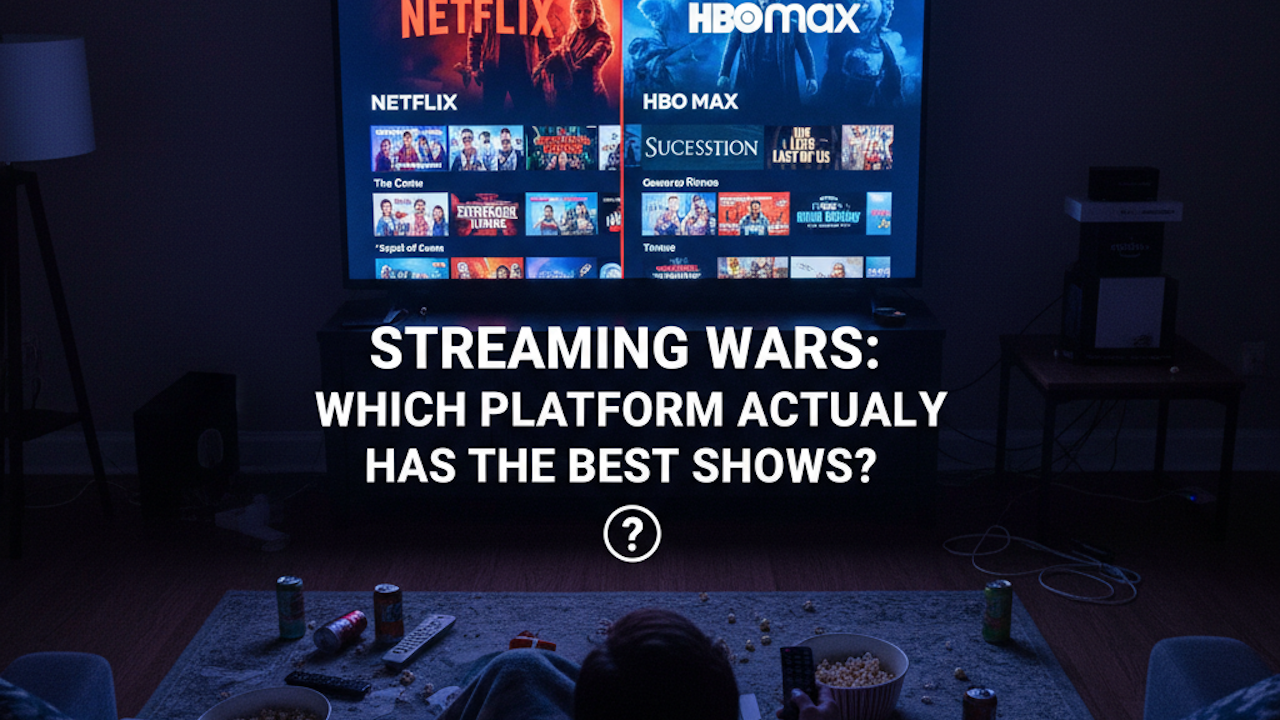
The streaming landscape has evolved into a fierce battle for subscribers and cultural relevance. What began as a convenient alternative to cable television has become a crowded field where Netflix, Disney+, Max, Prime Video, Apple TV+, and others compete for viewers’ time and money. With subscription prices rising and password-sharing crackdowns in full effect, the question on many minds is simple: which platform actually delivers the best shows?
This article examines the major players based on original programming quality, critical acclaim, audience engagement, variety, and long-term value. Quality is subjective, but we can ground the analysis in awards recognition, Rotten Tomatoes and Metacritic scores, cultural impact, and consistent output of must-watch series. No single platform dominates every category, but clear strengths and weaknesses emerge.
Netflix: The Volume King with Mixed Consistency
Netflix remains the largest streaming service by subscriber count, boasting over 300 million users worldwide as of 2026. Its strategy relies on sheer volume. The platform releases dozens of original series each year across genres, from prestige dramas to pulpy thrillers and international hits.
Standout successes include The Crown, which concluded its run with multiple Emmy wins, and Stranger Things, a cultural phenomenon that blended 1980s nostalgia with sci-fi horror. Squid Game broke viewing records and demonstrated Netflix’s ability to turn non-English language shows into global events. More recent entries like The Diplomat and Baby Reindeer earned strong critical praise for sharp writing and performances.
However, Netflix’s approach produces many forgettable titles alongside the gems. Critics often note a reliance on algorithm-driven greenlighting that favors quantity over depth. While the platform excels in true crime documentaries and reality series like The Circle or Love Is Blind, its prestige drama slate can feel uneven. High-budget productions such as The Witcher or Wednesday deliver spectacle but sometimes sacrifice narrative coherence.
Netflix’s international catalog is unmatched. Korean thrillers, Spanish mysteries, and Indian epics provide diversity that competitors struggle to match. For viewers seeking constant new releases and broad entertainment options, Netflix delivers. Yet its hit-to-miss ratio remains a persistent criticism.
Max: Prestige Television’s Spiritual Home
Formerly HBO Max, Max carries the legacy of HBO’s reputation for bold, adult-oriented storytelling. This platform consistently produces some of the most critically acclaimed series available.
The Last of Us adapted the acclaimed video game into a harrowing post-apocalyptic drama with stunning production values and emotional depth. Succession concluded its run as one of the defining satires of the 2020s, sweeping awards seasons. House of the Dragon proved that high-fantasy can sustain sophisticated political intrigue and character work. The White Lotus continues to deliver sharp social commentary wrapped in vacation-gone-wrong thrillers.
Max benefits from Warner Bros. Discovery’s deep library, including classic HBO titles like The Sopranos, The Wire, and Six Feet Under. This gives subscribers access to television history alongside new releases. The platform has expanded into lighter fare with The Penguin and various DC Comics adaptations, though results vary in quality.
Where Max shines brightest is in mature, complex narratives that reward patient viewers. Its shows often feature morally ambiguous characters, rich dialogue, and cinematic production. Drawbacks include a smaller overall library compared to Netflix and higher subscription pricing tiers, especially with ad-free options. For viewers who prioritize quality over quantity and appreciate sophisticated storytelling, Max frequently ranks at the top.
Disney+: Family-Friendly Dominance with Franchise Power
Disney+ built its service around the Mouse House’s unparalleled intellectual property. Marvel, Star Wars, Pixar, and classic Disney animation form the backbone of its offerings.
The Mandalorian revitalized Star Wars storytelling for a new generation with its Western-inspired lone gunslinger vibe. Andor surprised many with its darker, more politically nuanced take on the franchise. Marvel’s WandaVision and Loki experimented with format and multiverse concepts, though later entries like some Phase Five series received more mixed responses.
Beyond franchises, Disney+ offers strong family programming and National Geographic documentaries. The Bear (through its Hulu integration in some markets) and other acquisitions bolster its adult-leaning content. The platform’s technical quality is excellent, with reliable 4K HDR streaming and spatial audio support.
Disney+’s primary weakness lies in its heavy reliance on established brands. Original non-franchise dramas are rarer, and some Marvel and Star Wars series have faced criticism for inconsistent quality or fan-service over substance. It excels for households with children or fans of cinematic universes but may feel limited for viewers seeking bold, standalone adult dramas.
Prime Video: Hidden Gems and Uneven Output
Amazon Prime Video comes bundled with the broader Prime membership, giving it a pricing advantage for many households. Its original programming has produced both massive hits and notable disappointments.
The Boys remains one of the most subversive and darkly humorous superhero deconstructions on television. The Marvelous Mrs. Maisel earned multiple Emmys for its witty period comedy. Reacher delivers satisfying action-thriller escapism, while The Lord of the Rings: The Rings of Power demonstrated Amazon’s willingness to invest enormous budgets in ambitious projects.
Prime Video’s international efforts, including Indian and European productions, add variety. However, the platform has also released several high-profile misses that drew criticism for weak writing or poor pacing. Navigation can feel cluttered due to the mix of Prime originals, licensed content, and additional channels.
The service’s greatest strength may be its willingness to take risks on unconventional projects alongside crowd-pleasing action and comedy. For cost-conscious viewers who already subscribe to Prime for shopping, the video component offers solid value despite inconsistency.
Apple TV+: Quality Over Quantity Approach
Apple TV+ differentiates itself through a curated, high-quality approach rather than flooding the market with releases. Though it has a smaller library, its shows often boast impressive production values and top-tier talent.
Ted Lasso became a surprise comfort-watch phenomenon with its optimistic sports comedy. Severance delivered mind-bending workplace satire and thriller elements. The Morning Show examines media industry politics with strong performances from Jennifer Aniston, Reese Witherspoon, and others. Slow Horses provides sharp spy thriller entertainment with Gary Oldman’s commanding presence.
Apple’s strategy emphasizes fewer but more polished productions. Many series feature cinematic visuals and strong writing, benefiting from the company’s deep pockets for talent and production. The platform has expanded into children’s programming and documentaries as well.
The main limitation is the relatively small catalog, which may not justify a standalone subscription for all viewers. Apple TV+ rewards those seeking premium experiences without the noise of endless lesser content.
Other Notable Players
Peacock has strengthened its position with The Office library, Poker Face, and live sports. Paramount+ leverages Star Trek, Yellowstone universe shows, and Halo adaptations. Hulu (often bundled with Disney+) maintains a strong reputation for current network TV and originals like The Handmaid’s Tale.
Direct Comparison: Categories That Matter
Critical Acclaim and Awards: Max and Apple TV+ frequently lead in prestige categories. Netflix and Prime Video dominate nominations through volume but win fewer top prizes per show.
Genre Variety: Netflix offers the broadest range, followed by Prime Video. Max excels in drama and dark comedy. Disney+ dominates family and franchise content.
Consistency: Apple TV+ and Max maintain higher average quality. Netflix and Prime Video show greater variance.
Value for Money: Prime Video provides the best bundle value. Netflix justifies its price through selection. Premium tiers from Max and Apple appeal to quality-focused viewers.
Cultural Impact: Netflix creates the most widespread water-cooler moments globally. Max produces the shows that critics and awards voters discuss most seriously.
The Verdict: No Single Winner
There is no universal “best” streaming platform. The answer depends on individual preferences and priorities.
- Choose Max for sophisticated, adult-oriented prestige television and rich character dramas.
- Select Netflix for endless variety, international content, and frequent new releases.
- Go with Disney+ for families or dedicated fans of Marvel, Star Wars, and Pixar.
- Consider Apple TV+ for polished, high-concept shows with fewer distractions.
- Pick Prime Video for strong value and a mix of subversive hits alongside mainstream entertainment.
Many viewers adopt a multi-platform approach, rotating subscriptions based on current must-watch series. As the wars continue, consolidation through bundles and potential mergers may reshape the landscape. For now, the abundance of excellent programming across services represents a golden age for television, even if it requires careful management of monthly bills.
The streaming wars ultimately benefit consumers through competition that drives better content. While no platform is perfect, the overall quality and accessibility of shows have never been higher. The real winner is anyone with a good internet connection and curiosity about compelling stories.