

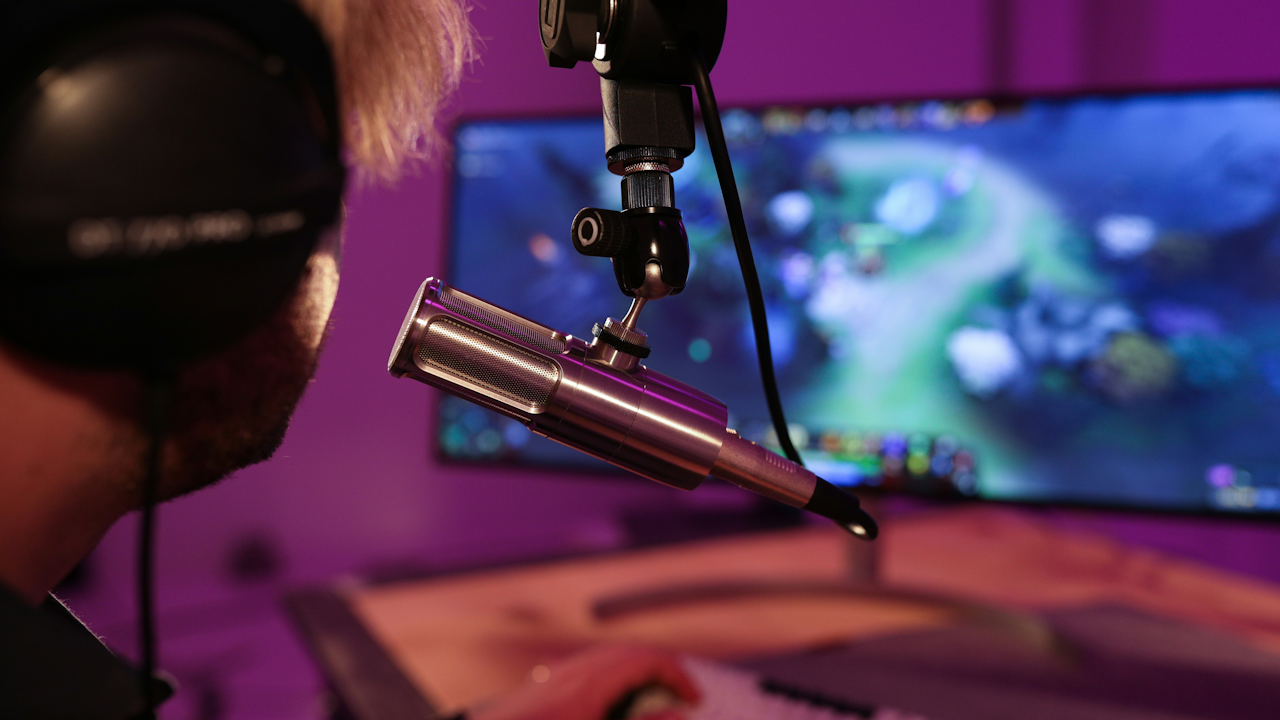
I started streaming in early 2020 with a battered laptop, a twenty dollar microphone from an online marketplace, and exactly five viewers who were mostly my friends refreshing the page out of pity. My setup sat on a folding table in my bedroom, and my internet connection dropped every time my roommate turned on the microwave. Three years later I stream full time to an average of eight thousand concurrent viewers across multiple platforms, with a community that feels more like family than an audience. None of it happened overnight or because I got lucky with an algorithm glitch. It happened because I treated streaming like a craft that rewarded patience, experimentation, and genuine care for the people who showed up. If you are a gamer thinking about hitting that go live button for the first time or stuck at twenty viewers wondering why growth feels impossible, these are the exact lessons that moved me from hobbyist to career streamer.
The first truth I learned is that your starting equipment does not have to be expensive; it has to be reliable. I spent months obsessing over the perfect camera and capture card while my actual streams suffered from constant frame drops and audio clipping. Instead of chasing gear, I focused on the basics that viewers notice immediately. A clear microphone matters more than a high resolution webcam. I upgraded from that cheap USB mic to a used dynamic microphone with a simple boom arm once I could afford it, and the difference in audio quality alone doubled my retention rate. For video, I used the built in webcam on my laptop until I saved enough for a mid range mirrorless camera. The secret was learning OBS Studio inside and out. Free software lets you create professional looking scenes with overlays, alerts, and transitions if you invest time in tutorials rather than cash in hardware. Test your stream privately for at least thirty minutes before going live. Check for audio levels, lighting that does not wash out your face, and a background that does not scream chaos. Viewers forgive humble setups; they do not forgive technical disasters that force them to leave.
Game choice is the single biggest decision that determines whether your channel grows or stalls. When I began I rotated through whatever was trending, chasing the next battle royale or indie darling. My numbers stayed flat because I looked exactly like every other small streamer. The turning point came when I picked one main game that I could play for hundreds of hours without burning out and stuck with it for six straight months. For me that was a competitive multiplayer title with a high skill ceiling and an active but not oversaturated community. I streamed it four days a week and used the fifth day for variety content or just chatting. The consistency built recognition. Regular viewers knew exactly when to expect me and what to expect when they arrived. That predictability turned casual drop ins into loyal subscribers. Do not chase every new release. Instead, ask yourself which game lets you show personality. Are you funny when you rage? Analytical when you theorycraft? Relaxed when you speedrun? Lean into the version of yourself that feels authentic, then find the game that amplifies it. Once you have a core audience you can experiment more safely because people will follow you to new titles instead of demanding you stay in one lane forever.
Scheduling might sound boring but it is the foundation everything else rests on. I started with three streams per week at the same times and the same days. No matter how tired or uninspired I felt I showed up. Missing a stream early on taught me that viewers build habits around your schedule the same way they build habits around their favorite television shows. If you say you go live Tuesdays and Thursdays at eight PM your local time then treat that commitment like a job interview you cannot reschedule. Use a calendar app or simple notepad to plan the week ahead. Block out time for stream preparation, editing highlight clips, and answering community messages. When I finally went full time I increased to five days a week but kept the exact start times locked in. The algorithm on every major platform rewards consistency because it knows when to push your content to potential viewers who are already online. Irregular streaming creates a death spiral where fewer people show up, the platform shows your stream to fewer people, and you feel even less motivated to continue. Protect your schedule the way you protect your sleep. It compounds faster than any viral moment ever could.
Engagement is where small streamers separate themselves from the pack and where many big streamers lose their soul. Early on I read every single chat message out loud and responded to as many as possible. It felt exhausting but it created a culture where people felt seen. I still do this today even with thousands watching because I remember how it felt to be ignored in someone elses stream. Create rituals that make interaction easy. I use a command for viewers to submit questions that I answer at the end of each stream. Another command lets them request a specific song for the music playlist. Simple things like greeting every new chatter by name and asking them what they are playing that day turns anonymous usernames into real people. Build a Discord server as soon as you have twenty regular viewers. Move the conversation there after stream ends so the community keeps growing even when you are offline. The strongest communities I have seen form around shared interests beyond the game itself. Mine has channels for fan art, meme sharing, and even study groups for students who watch while doing homework. When your viewers become friends with each other they defend the channel, share it with others, and stick around through dry spells.
Titles, tags, and descriptions are invisible work that pays massive dividends. I spent an embarrassing amount of time testing different title formats before I found what worked. The best performing titles combine the game name, a specific hook about the stream, and a personality tag. Something like Valorant Ranked Grind to Immortal or Chill Minecraft Survival with Viewer Builds beats generic titles like Just Chatting. Use all available tags even the niche ones. Research what your competitors use and add your own unique spin. In your stream description include links to socials, a short bio, and a call to action for new viewers. Update this text every month as your goals change. I also learned to create short highlight clips from every stream and post them on social media platforms within twenty four hours. A thirty second moment of me clutching a round or laughing at a ridiculous in game fail often brings in more new viewers than the live stream itself. The goal is to create multiple entry points so people discover you even when they are not actively looking for live content.
Networking with other streamers accelerated my growth more than any single tip on this list. For the first year I stayed isolated because I felt too small to reach out. Then I started joining small community events and hosting my own viewer tournaments. I messaged streamers with similar audience sizes and offered to raid each other or play co op games together. The key is to give value first. Offer to make a custom overlay for them or promote their upcoming charity stream without asking for anything in return. When you collaborate from a place of genuine respect the audience crossover feels natural instead of forced. I still raid smaller streamers at the end of every session because I remember how much a single raid meant when I had thirty people watching. Those connections also create opportunities for guest appearances, panel discussions at conventions, and long term friendships that make this career sustainable.
Growth brings new challenges that nobody warns you about. When my average viewership crossed one thousand I suddenly had to manage moderators, deal with trolls, and protect my personal time. I hired my first moderator from the community after watching her handle situations with fairness and humor for months. Scaling up means delegating without losing your voice. I also learned the hard way about burnout. Streaming five days a week while editing clips, managing socials, and answering hundreds of messages every day nearly ended my career in year two. The fix was simple but painful: I took one full week off every quarter with no content at all. I told my audience in advance, explained why, and came back refreshed. They respected the honesty and the numbers actually increased afterward. Mental health is not optional when streaming becomes your livelihood. Set boundaries early. Decide which hours are for streaming and which are for living. Your viewers will thank you for being a healthy human instead of a content machine.
Monetization should never be the first goal but it does become necessary once you commit seriously. I waited until I had a steady fifty viewers before I enabled subscriptions and bits. The early focus stayed on building the community so that when monetization arrived it felt like a celebration rather than a sales pitch. Start with simple things like channel point redemptions that cost nothing but create fun moments. Later you can introduce a tip jar but always frame it as optional support rather than a requirement. Merchandise came much later once my brand felt established. I worked with a designer to create a few clean designs that reflected inside jokes from the stream rather than generic gaming logos. The best selling items were the ones that made longtime viewers feel like insiders. Diversify your income once you can. Brand deals, sponsorships, and even creating digital products like guides or presets can supplement your platform revenue. Never rely on a single company algorithm to pay your bills.
Advanced streamers who want to stay big keep iterating on every part of their process. I review my stream analytics every Sunday morning. I look at when viewers drop off, which games hold attention longest, and which topics spark the most chat activity. Those numbers guide my decisions more than my personal preferences sometimes. I also test new ideas in small doses. A new overlay element or a different way to structure the first ten minutes of stream gets a two week trial period before I decide whether to keep it. Listen to your community but do not let them dictate every choice. They will tell you they want more of everything. Your job is to balance their requests with what keeps you excited to create. The streamers who last a decade are the ones who treat this like a marathon. They protect their creativity, nurture their audience, and evolve without chasing every trend.
If you take only one thing from my journey let it be this: streaming rewards those who show up as themselves and keep showing up even when the numbers are tiny. I still remember the stream where only two people were watching and I played through an entire single player campaign anyway because I had promised myself I would finish it live. Those two viewers became moderators years later and still reference that night as the moment they knew my channel was different. Growth is not about tricks or hacks. It is about creating a space where people want to spend their limited free time. Treat every viewer like a guest in your living room. Respect their time. Deliver consistent quality. Stay curious about the craft. The rest compounds over months and years until one day you look up and realize the small streamer you used to be has become the big one giving advice to the next generation.
Start today with whatever you have. Fix one thing each week whether that is better lighting, tighter titles, or simply showing up on schedule. The game you love and the community waiting to discover you are both already out there. All you have to do is hit go live and mean it.