

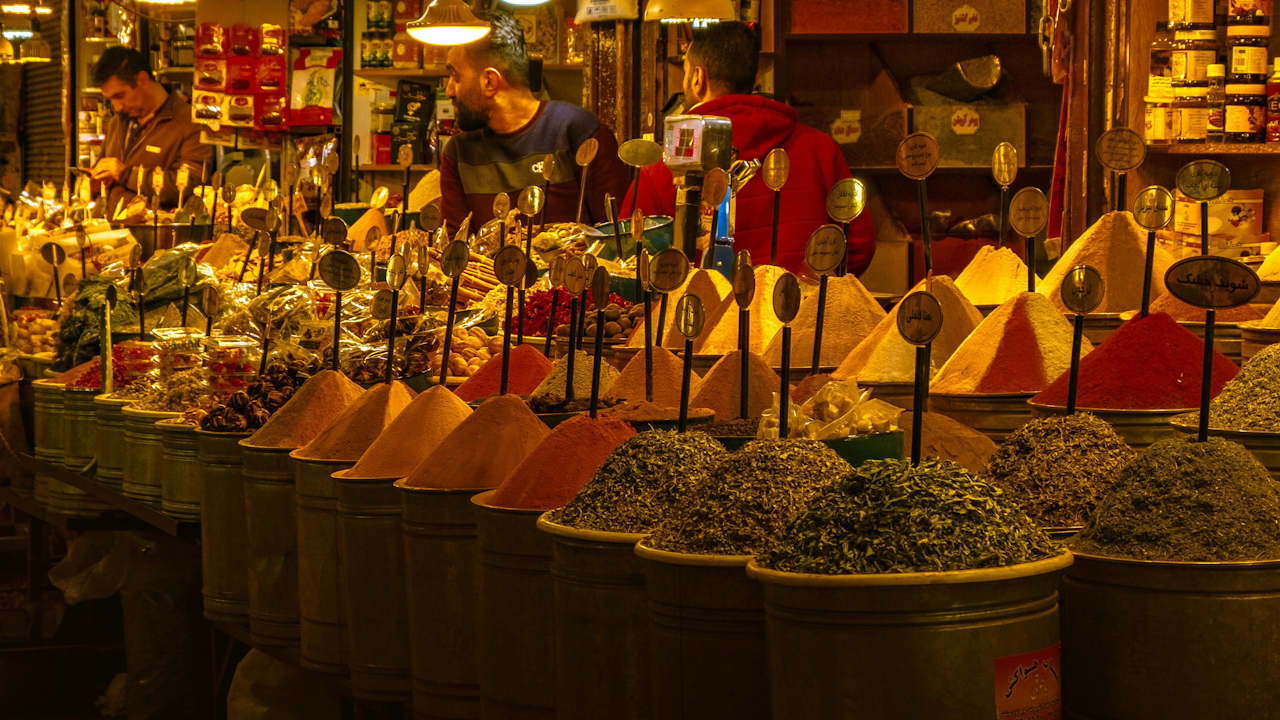
Centuries ago, the quest for spices fueled epic voyages, toppled empires, and redrew the map of the world. Black pepper, cloves, nutmeg, and cinnamon commanded prices that rivaled gold, transforming kitchens from humble hearths to symbols of wealth and power. Today, a quiet but powerful revival is underway. Dubbed Spice Trade 2.0, this modern chapter reconnects global palates with rare and nearly forgotten spices. No longer confined to dusty trade routes or colonial monopolies, these exotic flavors are surging back into fine dining, home kitchens, and wellness routines. Driven by curiosity, sustainability, and a hunger for authenticity, the return signals more than a culinary trend. It represents a fresh chapter in how humanity values nature’s most potent botanicals.
The original spice trade began long before recorded history. Archaeological evidence shows that ancient Egyptians used cinnamon and cassia in embalming rituals as early as 3000 BCE. By the Roman era, pepper from India flowed through Alexandria in vast quantities. Arab traders guarded the secrets of overland routes, inflating prices and sparking envy among European powers. The 15th and 16th centuries marked the explosive age of exploration. Portuguese sailors rounded the Cape of Good Hope to reach the Spice Islands directly. Dutch and British companies followed, establishing fortified outposts and waging wars over control of nutmeg groves in the Moluccas. One small island chain supplied the world’s cloves and mace for generations. Manhattan itself was once traded in a deal involving nutmeg. These spices shaped economies, sparked the Age of Discovery, and even influenced the founding of nations. Yet by the 19th century, the trade’s intensity faded. New World crops like chili peppers offered cheaper heat. Industrial processing introduced synthetic flavorings. Mass cultivation standardized common spices, pushing rarer varieties into obscurity.
Spice Trade 2.0 emerges from a different set of forces. Globalization has shrunk supply chains while expanding access. Online marketplaces and direct-to-consumer models now link smallholder farmers in remote regions straight to chefs in New York or home cooks in Tokyo. Social media amplifies the visual drama of a single saffron thread or a handful of wild peppercorns. Meanwhile, a growing emphasis on traceable, single-origin ingredients mirrors the wine and coffee revolutions of recent decades. Consumers demand stories behind their food. They seek out spices grown without pesticides on family plots rather than bulk commodities from industrial farms. Health and wellness trends add another layer. Many rare spices carry documented medicinal properties. Turmeric’s curcumin and ginger’s gingerol have gone mainstream, but lesser-known options like grains of paradise or long pepper are gaining attention for their anti-inflammatory and digestive benefits. Climate awareness plays a role too. As traditional growing regions face droughts, floods, and shifting weather patterns, producers experiment with new altitudes and microclimates. The result is a renaissance that feels both nostalgic and forward-looking.
Several key drivers propel this resurgence. First comes the rise of nuanced heat. After years of chasing extreme capsaicin levels in hot sauces, diners now crave layered flavors that build slowly and linger with complexity. Rare spices deliver exactly that. Second, the farm-to-table movement has evolved into a forest-to-table ethos. Wild-harvested varieties from biodiverse ecosystems command premium prices and appeal to ethical consumers. Third, cultural exchange accelerates through migration and travel. Diaspora communities introduce ancestral spices to new audiences, while fusion chefs reinterpret them in unexpected ways. Fourth, technology aids transparency. Blockchain systems track spices from harvest to table, assuring buyers of authenticity and fair wages for growers. Finally, a post-pandemic focus on immune support and natural preservatives has spotlighted spices with antimicrobial qualities. Together, these elements create fertile ground for rare spices to thrive once more.
No discussion of Spice Trade 2.0 would be complete without examining the stars of the revival. Consider grains of paradise, also known as melegueta pepper. Native to the swampy forests of West Africa, this ginger-family relative produces small, reddish-brown seeds with a peppery bite tempered by citrus and floral notes. Ancient Romans knew it as African pepper. Medieval Europeans prized it as a black-pepper substitute and even flavored wine and ale with it. After Columbus introduced chili peppers from the Americas, grains of paradise slipped from European favor. Today, it stages a strong comeback. Craft brewers use it to add bright complexity to IPAs. Chefs sprinkle the whole seeds on grilled meats or incorporate the ground form into spice rubs for seafood. Its availability through specialty importers has grown steadily, reflecting renewed interest in African culinary heritage.
Voatsiperifery pepper offers another compelling tale. This wild relative of cubeb grows exclusively in the rainforests of Madagascar on climbing vines that reach high into the canopy. Harvesters must scale trees to collect the long, tailed berries by hand, a labor-intensive process that keeps supply limited and prices elevated. The flavor profile surprises newcomers. It opens with a sharp, pine-like aroma, then reveals citrus zest and a gentle heat that fades into subtle sweetness. Unlike cultivated black pepper, voatsiperifery carries an earthy, almost resinous depth. Modern mixologists feature it in gin infusions, while innovative restaurants pair it with chocolate or root vegetables. Sustainable harvesting cooperatives in Madagascar have helped stabilize supply, turning a once-marginal wild crop into a valuable export that supports forest conservation.
Long pepper, or Piper longum, traces its roots to ancient India and Indonesia. Elongated catkin-like spikes deliver a sweetness absent in ordinary black pepper, followed by a lingering warmth that builds across the palate. The Greeks and Romans imported it in large volumes. It flavored their famous garum sauce and appeared in medicinal recipes. When cheaper round peppercorns dominated trade, long pepper faded into relative obscurity outside traditional Ayurvedic and Southeast Asian cooking. Its return aligns with the demand for complex aromatics. Pastry chefs use it to balance sweetness in desserts. Savory cooks add it to braises and curries for a layered finish that black pepper cannot match. Small farms in Kerala and Vietnam have revived heirloom varieties, capitalizing on gourmet demand.
Cubeb pepper, sometimes called Java pepper, shares a similar trajectory. Its berries carry a distinctive woody, allspice-like scent with hints of eucalyptus and camphor. Medieval physicians prescribed it for respiratory ailments, and it flavored early versions of gin. The Dutch East India Company controlled its trade fiercely. Yet after the 17th century, cubeb largely vanished from Western pantries. Contemporary bartenders rediscover it for cocktails that need a spicy, aromatic lift. Chefs experiment with it in rubs for game meats or as a finishing touch on cheeses. Its resurgence highlights how historical spices can inspire entirely new flavor combinations.
Saffron remains the undisputed king of rarity, with production still measured in delicate hand-picked stigmas from crocus flowers. One pound requires over 75,000 blooms. Iran, India, and Spain have long dominated supply, but new micro-producers in places like the United States and Australia are testing cooler climates and organic methods. The result is a diversification that keeps saffron accessible yet exclusive. Its earthy, honeyed notes elevate rice dishes, desserts, and even seafood broths. Beyond flavor, saffron’s reputation for mood enhancement and antioxidant power fuels its inclusion in wellness teas and supplements.
Asafoetida, the pungent resin from a fennel-like plant native to Afghanistan and Iran, completes this select group. Known as devil’s dung for its raw sulfurous odor, it transforms when cooked into an onion-garlic-like savoriness essential to many vegetarian Indian dishes. British colonials dismissed it as medicinal rather than culinary. Western chefs once avoided it entirely. Today, asafoetida appears in fusion recipes from lentil soups to compound butters. Its comeback coincides with the global boom in plant-based eating, where it provides umami depth without animal products. Producers have improved processing to reduce the intensity for novice users while preserving its magic.
The economic ripples of Spice Trade 2.0 extend far beyond restaurant menus. Smallholder farmers in Africa, Madagascar, and Southeast Asia earn significantly higher incomes from premium rare spices than from commodity crops. Cooperatives emphasize training in organic practices and post-harvest handling, improving quality and market access. Export revenues help fund community projects such as schools and clinics. In Madagascar, voatsiperifery sales support rainforest preservation efforts that combat deforestation. Similar models appear in West Africa for grains of paradise. At the consumer end, higher prices reflect true costs of sustainable production rather than exploitative labor. This model fosters long-term relationships between growers and buyers, replacing the anonymous bulk trade of centuries past.
Culturally, the revival enriches global cuisine in unexpected ways. Celebrity chefs and cookbook authors champion these spices, creating recipes that bridge traditions. A simple steak gains intrigue with a grains-of-paradise crust. A chocolate mousse reveals hidden layers when finished with voatsiperifery. Home cooks experiment with online tutorials, turning ordinary weeknight meals into explorations of flavor geography. Museums and food festivals stage tastings that educate participants about the historical journeys of these botanicals. The movement also preserves endangered knowledge. Elders in indigenous communities share harvesting techniques that might otherwise vanish with modernization.
Challenges remain. Climate change threatens wild populations. Rising temperatures and erratic rainfall stress ginger-family plants in West Africa and pepper vines in Madagascar. Overharvesting risks depleting natural stands unless managed carefully. Supply volatility can frustrate chefs who rely on consistent quality. Counterfeit products still plague the market, especially for saffron and vanilla. Solutions include investment in climate-resilient cultivars, expanded certification programs, and research into propagation methods that maintain genetic diversity. International partnerships between universities and farming groups accelerate these efforts.
Looking ahead, Spice Trade 2.0 shows no signs of slowing. Emerging technologies such as drone monitoring of wild groves and AI-driven climate modeling promise more resilient supply chains. Younger generations of farmers view rare spices as entrepreneurial opportunities rather than subsistence crops. Consumer education through tasting kits and virtual farm tours deepens appreciation. Perhaps most importantly, this revival underscores a broader truth about food. Flavor is not merely seasoning. It is history, ecology, and human connection distilled into every pinch. As rare spices return to prominence, they remind us that the most valuable treasures often grow quietly in distant soils, waiting for renewed curiosity to bring them home.
In the end, Spice Trade 2.0 is less about recapturing past glory than about forging a wiser future. It honors the explorers and traders who risked everything centuries ago while building equitable systems for today. It celebrates biodiversity at a time when uniformity dominates agriculture. Most of all, it invites every cook, professional or amateur, to experience the thrill of discovery in a jar of grains of paradise or a twist of voatsiperifery. The rare spices have returned. The question now is how boldly we will embrace them.