

Most people assume that happiness rises in lockstep with income. Earn more, buy more, feel better. Yet decades of research in psychology and behavioral economics point to a different truth. Beyond a certain point that covers basic needs and a modest cushion of security, additional money does not automatically buy lasting contentment. What does make a measurable difference is how that money is spent. The habits we form around spending can either amplify daily satisfaction or quietly erode it. Understanding and reshaping those habits is one of the most practical routes to a happier life.
The distinction between needs and wants is familiar, yet many of us still treat spending as an automatic response to desire or social pressure. A happier approach begins with deliberate choice. When money is directed toward activities and objects that align with personal values and strengthen relationships, the emotional return is higher and more durable. When it is spent to impress others, to chase fleeting status, or to numb temporary discomfort, the payoff is usually short lived and sometimes negative.
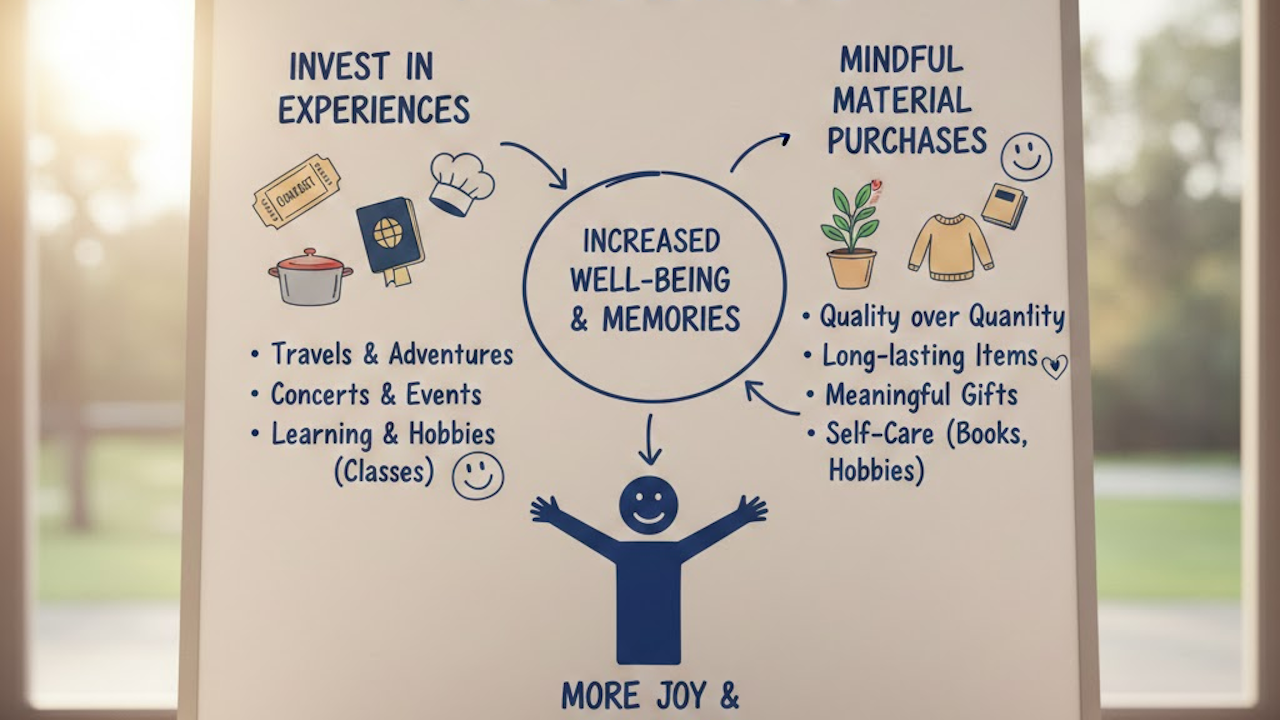
One of the most consistent findings in the science of happiness is that experiences tend to outlast material purchases. A new gadget or piece of clothing delivers a spike of pleasure that fades as the novelty wears off and the object becomes part of the background of daily life. In contrast, a shared meal, a weekend trip, a concert, or even a simple afternoon spent learning a new skill creates memories that can be revisited and that often deepen social bonds. The anticipation of an experience can itself be enjoyable, and the stories that follow become part of personal identity. Material goods, by comparison, are more easily compared with what others own, which invites envy and dissatisfaction.
This does not mean material purchases are inherently empty. A well chosen tool that supports a hobby, comfortable furniture that makes home life more pleasant, or clothing that helps someone feel confident at work can all contribute to well being. The key is intentionality. Ask whether the purchase will still matter in six months or whether it primarily serves a momentary urge or an external expectation. People who regularly pause to answer that question tend to report higher satisfaction with their spending overall.
Spending on other people is another powerful lever. Multiple studies have shown that people who allocate a portion of their income to gifts, shared experiences, or charitable causes report greater happiness than those who spend the same amount solely on themselves. The effect appears even with small sums. Buying a coffee for a colleague, contributing to a friend’s fundraiser, or treating family to a meal can produce a sense of connection and purpose that solitary consumption rarely matches. The benefit is not purely altruistic; the act of giving reinforces the giver’s sense of agency and belonging.
Debt, by contrast, is a reliable source of unhappiness. High interest consumer debt, especially from credit cards used for non essential purchases, creates ongoing stress that outweighs the temporary pleasure of the items bought. The mental load of minimum payments, rising balances, and the awareness of living beyond one’s means can color every financial decision and reduce overall life satisfaction. Building the habit of living within income, even if that means delaying certain purchases, removes a persistent source of anxiety and frees mental energy for more rewarding activities.
A related habit is the practice of mental accounting. Many people treat money differently depending on its source or intended use. A tax refund or bonus may feel like “extra” money and therefore easier to spend frivolously, while regular salary is guarded more carefully. Happier spenders tend to treat all income as part of a single pool and decide in advance how it will be allocated. Creating clear categories, such as necessities, experiences, giving, savings, and discretionary fun, reduces impulsive decisions and makes trade offs visible. When the fun category is funded deliberately rather than residual, spending within it feels guilt free and more enjoyable.
Delaying gratification remains one of the strongest predictors of long term well being. The ability to wait for a larger or more meaningful purchase rather than grabbing the immediate option builds both financial health and psychological strength. Techniques that support this habit include implementing a waiting period for non essential buys, unsubscribing from marketing emails that trigger desire, and keeping a running list of wanted items that can be reviewed later with cooler judgment. Over time these practices shift the default from reactive consumption to considered choice.
Social comparison is another trap that spending habits can either reinforce or dismantle. In an age of constant visibility through social media, it is easy to measure one’s lifestyle against carefully curated images of others. This often leads to spending aimed at closing an imagined gap rather than serving genuine preferences. People who report higher happiness tend to limit exposure to such comparisons and instead measure their progress against their own past circumstances and stated goals. Choosing to spend in ways that are invisible to others, such as investing in better sleep, healthier food, or personal development, can reduce the influence of external benchmarks.
Time is an underappreciated currency in the happiness equation. Many purchases that appear inexpensive in monetary terms exact a heavy time cost in maintenance, organization, or decision fatigue. Conversely, spending money to free up time, such as outsourcing chores that feel draining or choosing a home closer to work, often yields higher returns in daily mood and available energy for relationships and hobbies. Evaluating purchases partly by their impact on free time helps align spending with what most people ultimately value: the ability to direct their days toward meaningful activities.
Building these habits does not require perfection or sudden austerity. Small, consistent adjustments compound. Tracking spending for a month without judgment simply to see where money actually goes can reveal patterns that surprise even careful people. Once the data is visible, it becomes easier to redirect a portion from low satisfaction categories toward higher ones. Automating savings and bill payments removes friction and decision fatigue. Setting a modest “joy budget” that is spent freely on whatever currently delights prevents the sense of deprivation that can sabotage larger financial goals.
Cultural and personal differences matter. Some people derive deep satisfaction from collecting beautiful objects or maintaining a well appointed home. Others find greater joy in travel or in supporting causes. The common thread among happier spenders is not a universal formula but a deliberate match between outlays and individual sources of meaning. Periodic reflection helps keep that match accurate as circumstances and values evolve. Asking once or twice a year what recent purchases still feel worthwhile, and which ones now seem regrettable, provides useful feedback without self criticism.
Income volatility and economic uncertainty make good spending habits even more valuable. When earnings fluctuate, the ability to distinguish essential from optional, and to protect a baseline of security, reduces the emotional turbulence that accompanies financial swings. An emergency fund large enough to cover several months of core expenses is less a financial product than a psychological buffer. Knowing that unexpected costs will not immediately derail daily life allows people to enjoy present moments more fully.
Children absorb spending attitudes from the adults around them. Modeling thoughtful consumption, open conversation about trade offs, and the pleasure of giving can equip the next generation with healthier defaults. This does not require lectures. Simply involving young people in age appropriate decisions, such as choosing between two possible family outings within a set budget, teaches the link between resources and priorities more effectively than abstract rules.
In the end, spending habits shape more than bank balances. They influence the texture of ordinary days, the quality of relationships, and the stories people tell about their lives. Money that is used to reduce friction, deepen connection, create lasting memories, and support chosen values tends to purchase more happiness than money used to signal status or fill empty moments. The shift from automatic to intentional spending is available to anyone willing to examine current patterns and make gradual changes. Over time those changes accumulate into a quieter, more durable form of contentment that no single purchase can match.