

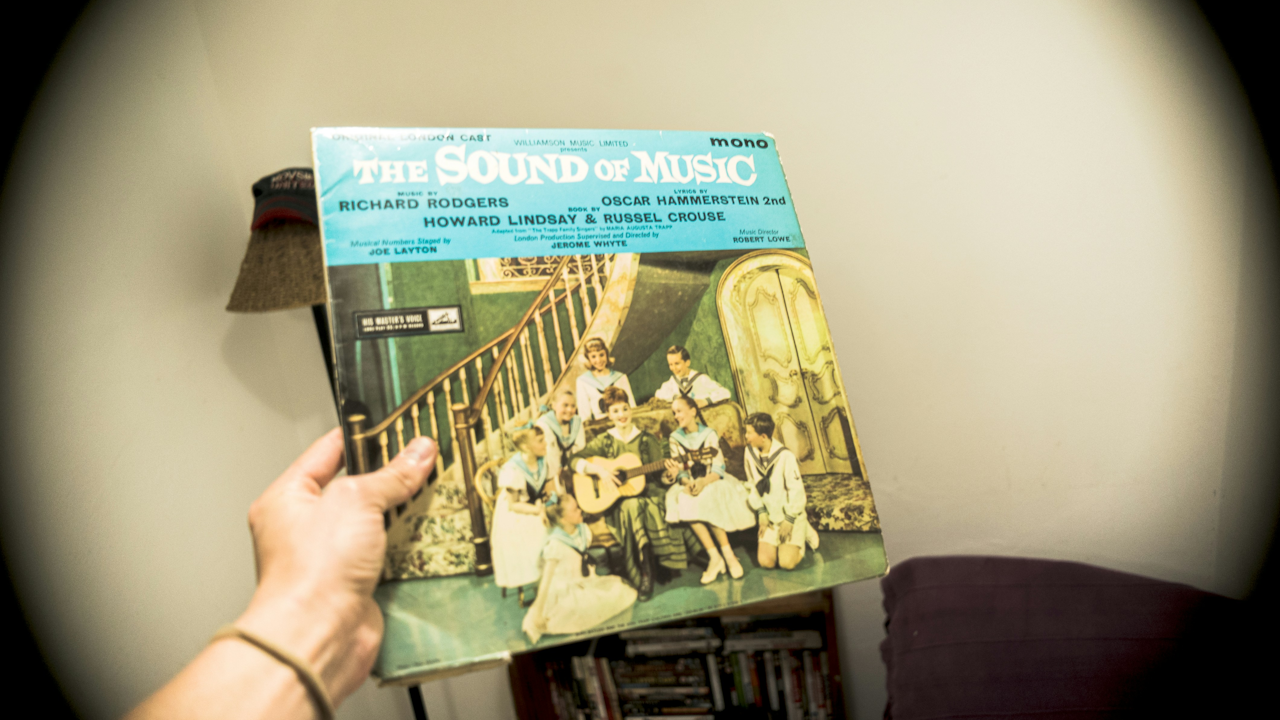
Music has always been the invisible force that elevates movies from mere moving pictures to unforgettable experiences. A great soundtrack does not simply accompany the action on screen. It shapes emotions, heightens tension, and lingers in the minds of viewers long after the credits roll. In an industry where blockbusters compete for billions at the box office, soundtracks have emerged as a powerful driver of success. They boost ticket sales, generate additional revenue streams, and create cultural phenomena that extend far beyond the theater. From orchestral epics to curated pop compilations, the strategic use of music has become a cornerstone of modern filmmaking. This article explores the multifaceted ways in which soundtracks propel movies to triumph, examining their historical roots, psychological impact, economic value, creative processes, and evolving role in the digital age.
The relationship between music and film dates back to the earliest days of cinema. In the silent film era, live musicians provided accompaniment to prevent audiences from feeling disconnected from the flickering images. Pianists and small orchestras improvised scores that matched the mood of each scene, establishing a tradition that would evolve dramatically with the advent of sound. When synchronized sound arrived in the late 1920s, composers like Max Steiner began crafting original orchestral works that integrated seamlessly with dialogue and effects. Steiner’s score for King Kong in 1933 demonstrated how swelling strings could amplify awe and terror simultaneously. By the Golden Age of Hollywood in the 1930s and 1940s, studios maintained full-time music departments, producing lush symphonic scores that defined genres. Westerns thundered with brass fanfares, romances bloomed with sweeping melodies, and horror films relied on dissonant chords to unsettle viewers.
The post-war period brought experimentation. In the 1950s and 1960s, jazz and rock influences crept into films, reflecting broader cultural shifts. Movies such as A Streetcar Named Desire used moody saxophone lines to convey raw emotion, while the 1960s counterculture found its voice in soundtracks featuring artists like Bob Dylan and The Rolling Stones. The breakthrough came with films like Easy Rider in 1969, which relied almost entirely on pre-existing rock songs rather than a traditional score. This approach not only cut production costs but also created an instant sense of authenticity and generational resonance. Audiences felt as though the music on screen mirrored their own lives. The trend accelerated in the 1970s with Saturday Night Fever, whose disco-heavy soundtrack sold millions of albums and turned the film into a cultural touchstone. By the 1980s, synthesizers and electronic scores, as heard in films like Blade Runner, added futuristic textures that complemented visual innovation. Today, the soundtrack landscape blends these traditions with digital production, global influences, and data-driven curation, making music an even more potent tool for cinematic achievement.
At its core, the power of a soundtrack lies in its ability to manipulate human psychology. Music bypasses rational thought and speaks directly to the limbic system, the brain’s emotional center. When a composer aligns a rising crescendo with a character’s moment of triumph, viewers experience a surge of dopamine that mirrors the on-screen joy. Studies in neuroscience have shown that film scores can synchronize heart rates across an audience, creating a collective emotional response that strengthens communal viewing. This phenomenon explains why certain themes become instantly recognizable. The ominous two-note motif from Jaws triggers anxiety even for those who have never seen the film, because the music has been imprinted on collective memory. Similarly, the haunting piano from The Godfather evokes a sense of tragic inevitability.
Music also enhances narrative immersion through techniques such as leitmotifs, where recurring themes represent specific characters or ideas. John Williams mastered this in Star Wars, assigning distinct melodies to Luke Skywalker, Darth Vader, and the Force itself. These motifs guide viewers subconsciously, reinforcing plot points without explicit exposition. Counterpoint, on the other hand, creates irony or depth. A cheerful song playing over a dark scene can amplify discomfort, as in the opening of Reservoir Dogs with its upbeat pop track underscoring violence. Memory plays a crucial role too. Songs tied to specific eras or personal milestones trigger nostalgia, making films like Forrest Gump or The Big Chill resonate on a deeply personal level. In essence, a well-crafted soundtrack does not merely support the story. It becomes part of the story, embedding itself so firmly that audiences recall scenes through the music long after forgetting dialogue.
The economic impact of soundtracks on movie success is undeniable and quantifiable. A strong musical component can significantly lift box office performance by extending a film’s reach into music charts, streaming platforms, and merchandise. Consider Titanic, released in 1997. James Horner’s orchestral score provided emotional depth, but it was Celine Dion’s My Heart Will Go On that propelled the movie into global dominance. The single topped charts worldwide, sold over 18 million copies, and kept the film in public conversation for years. The soundtrack album itself generated hundreds of millions in revenue, far exceeding typical tie-in sales. Similarly, Guardians of the Galaxy in 2014 transformed a relatively obscure comic book property into a franchise juggernaut largely through its Awesome Mix Vol. 1. The 1970s rock compilation not only fit the film’s irreverent tone but also dominated playlists and radio airplay, drawing in older demographics who might otherwise have skipped a superhero movie. The film’s opening weekend exceeded expectations, and the soundtrack’s success led to sequels and spin-offs that continued the musical legacy.
Blockbusters routinely leverage music for marketing synergy. Trailers timed to hit songs create viral anticipation months before release. The Marvel Cinematic Universe has woven original scores by composers like Alan Silvestri and Ludwig Goransson with needle drops of popular tracks to broaden appeal. Awards further amplify financial returns. An Oscar for Best Original Score or Best Original Song often translates into renewed theatrical runs, reissues, and prestige that attracts talent for future projects. Data from industry analysts consistently shows that films with chart-topping soundtracks enjoy longer theatrical windows and stronger international performance, particularly in markets where music tastes influence cinema attendance. Licensing deals for songs in commercials, video games, and television spin-offs create additional income streams that studios now treat as essential rather than ancillary. In short, soundtracks have evolved from artistic embellishments into strategic assets that directly influence profitability.
Iconic composers have played pivotal roles in defining this power. John Williams stands as perhaps the most influential figure in film music history. His collaborations with Steven Spielberg and George Lucas produced themes that became cultural shorthand. The soaring strings of E.T. the Extra-Terrestrial captured wonder, while the march from Raiders of the Lost Ark embodied adventure. Williams’ work demonstrates how a single melody can elevate a franchise to legendary status. Hans Zimmer, another titan, brought a modern edge with his hybrid orchestral-electronic approach. In Inception, the slowed-down Edith Piaf sample layered over pulsating brass created a dreamlike disorientation that mirrored the film’s plot. Zimmer’s scores for The Dark Knight trilogy and Dune have redefined how music conveys scale and intensity, often relying on minimalist motifs that build into overwhelming walls of sound. These composers do not work in isolation. They collaborate closely with directors to ensure every note serves the vision, sometimes iterating for months until the emotional fit is perfect.
Pop artists and music supervisors have expanded the soundtrack playbook beyond traditional scoring. Music supervisors act as curators, selecting existing tracks that enhance authenticity or emotional punch while also driving promotional buzz. In La La Land, the original songs not only advanced the plot but also spawned a hit album that appealed to theatergoers and music fans alike. More recently, films like Barbie integrated a roster of contemporary artists including Dua Lipa, Billie Eilish, and Ryan Gosling to create a multifaceted soundtrack that dominated streaming charts and social media. The film’s musical choices reinforced its satirical tone and generated endless online discussion, turning the release into a cultural event. Such strategies highlight a key shift. Soundtracks now function as cross-platform marketing campaigns, where a hit single can introduce a movie to audiences who rarely visit theaters but consume music daily.
The music industry itself benefits enormously from these partnerships. Emerging artists gain massive exposure when their songs appear in major films, often leading to career breakthroughs. Established acts revive back catalogs or launch new material tied to cinematic releases. Streaming services have accelerated this cycle. Platforms like Spotify and Apple Music host official soundtrack playlists that keep films alive in listeners’ routines long after theatrical runs end. Algorithms recommend tracks based on viewing habits, creating a feedback loop that boosts both movie streams on services like Netflix and song plays. Social media platforms amplify the effect further. Short clips of memorable musical moments spread rapidly on TikTok, introducing films to younger viewers and sparking trends that drive ticket sales. A viral dance challenge set to a movie song can turn a modest release into a phenomenon overnight.
Despite these advantages, challenges persist in the modern era. Rights clearances for popular songs have grown increasingly complex and expensive, forcing studios to balance creative desires with budget realities. Overreliance on needle drops can sometimes feel lazy if not executed with care, risking audience detachment. Meanwhile, the rise of artificial intelligence in music composition raises questions about authenticity. AI tools can generate temp tracks quickly, but whether they can replicate the human intuition that makes Zimmer or Williams scores so memorable remains uncertain. Directors and producers must navigate these issues while adapting to shorter attention spans and fragmented consumption habits. Future soundtracks may incorporate interactive elements for virtual reality experiences or personalized scores that adjust based on viewer preferences, further blurring the line between film and interactive entertainment.
Nevertheless, the fundamental power of music in cinema endures. It connects viewers to stories on a visceral level that dialogue alone cannot achieve. As the industry faces pressures from streaming competition and changing demographics, soundtracks offer a proven pathway to deeper engagement and broader commercial success. Films that invest thoughtfully in their musical identity consistently outperform those that treat music as an afterthought. The evidence spans decades and genres, from the orchestral majesty of classic Hollywood to the eclectic playlists of today’s tentpoles. Audiences crave the emotional highs and memorable hooks that great soundtracks deliver, and studios have learned to harness that craving strategically.
In the end, soundtrack power reveals a simple truth about storytelling. Movies succeed not just through visuals or scripts but through the complete sensory package they provide. Music fills the gaps, amplifies the peaks, and etches scenes into memory. It turns good films into great ones and great ones into cultural touchstones. As technology advances and global audiences expand, the role of music will only grow more central. Filmmakers who master its nuances will continue to drive success at the box office, in awards seasons, and in the hearts of viewers worldwide. The next time the lights dim and the first notes rise, remember that the soundtrack is not background. It is the heartbeat of the movie itself, pulsing with the power to captivate, inspire, and endure.