

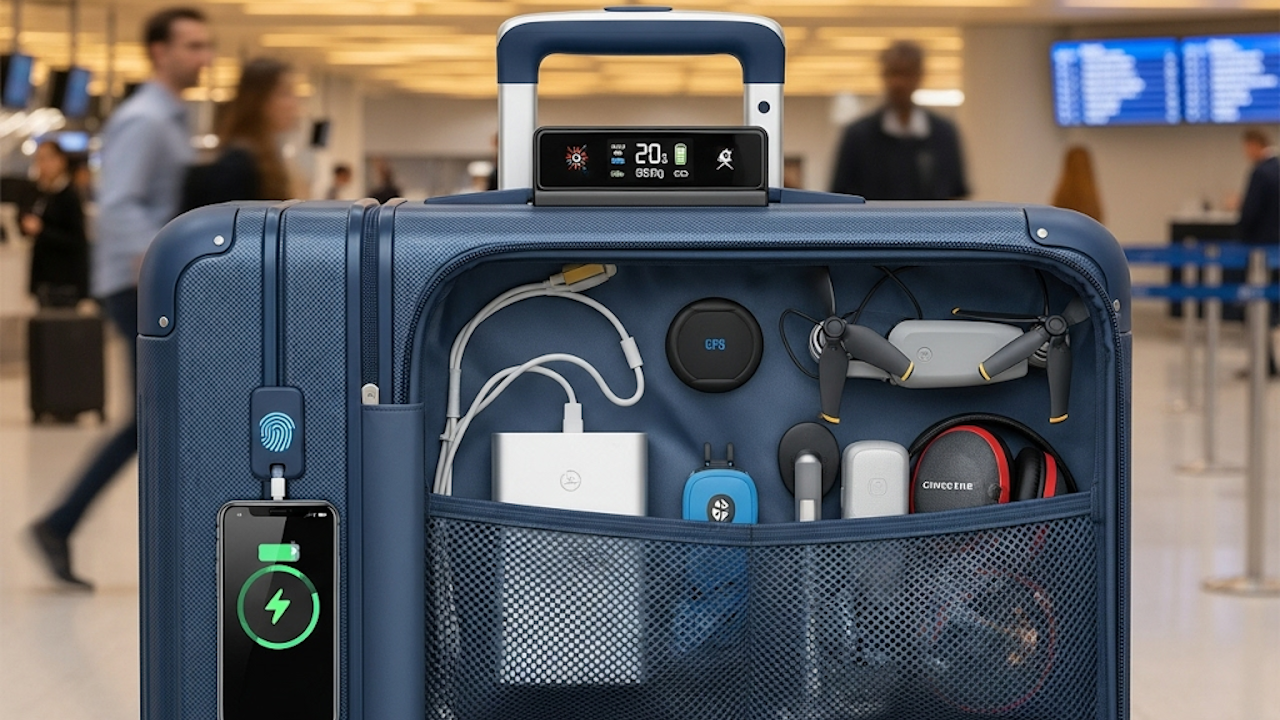
Travel has always involved challenges like lost bags, dead phone batteries during long layovers, and the constant worry of overloaded suitcases triggering extra fees at check-in. Smart luggage addresses these pain points by integrating advanced technology into traditional suitcases and carry-ons. These high-tech bags combine durability with features such as GPS tracking, built-in chargers, weight sensors, and app connectivity. As air travel rebounds and digital natives become frequent flyers, smart luggage has evolved from a novelty into a practical tool for modern journeys. This article explores the development, key technologies, benefits, popular options, challenges, and future of smart luggage.
The Evolution of Luggage Technology
Luggage has come a long way from heavy trunks and basic suitcases. Early innovations focused on materials and wheels. The introduction of roller bags in the 1970s and 1980s improved mobility. By the 2010s, manufacturers began embedding electronics. Pioneers like Bluesmart launched bags with integrated power banks and GPS in the mid-2010s, though early models faced hurdles.
Airlines responded to lithium-ion battery safety concerns by restricting non-removable batteries around 2017 and 2018. Many carriers, including major U.S. airlines, required removable batteries for smart luggage to fly. This prompted redesigns with quick-release power sources. Today, smart features blend seamlessly with lightweight polycarbonate shells, 360-degree spinner wheels, and TSA-approved locks. The market has grown significantly, driven by IoT integration and consumer demand for connected travel gear.
Core Features of Smart Luggage
Modern smart luggage offers a range of technologies designed to simplify every stage of a trip.
GPS and Real-Time Tracking: Embedded GPS modules or compatibility with devices like Apple AirTags allow users to monitor location via smartphone apps. Travelers receive alerts if a bag moves beyond a set distance or arrives at a destination. Some systems integrate with airline apps for end-to-end visibility from check-in to carousel.
Built-in Charging Capabilities: USB ports, often USB-C, connect to removable power banks compliant with airline rules. These keep phones, tablets, and other devices charged during flights or delays. Capacities typically range from 5000mAh to higher, providing multiple charges without adding bulk.
Weight Sensors and Scales: Digital scales built into the handle or base display weight on an LED screen or through an app. This helps avoid overweight fees and optimizes packing. Some models expand or compress to meet carry-on limits.
Smart Locks and Security: Bluetooth or biometric locks (fingerprint or app-controlled) replace traditional keys. Remote locking, anti-theft alarms, and geofencing notify owners of unauthorized access. TSA compatibility ensures agents can open bags without damage.
Additional Innovations: Self-propelled or rideable designs use motors and sensors to follow owners or provide scooter-like transport through terminals. Expandable compartments, antimicrobial linings, and modular interiors enhance organization. Some bags include solar panels or advanced battery management.
These features connect through dedicated apps, offering dashboards for battery levels, location history, and packing checklists.
Benefits for Travelers
Smart luggage delivers tangible advantages that reduce stress and improve efficiency.
Peace of mind tops the list. Real-time tracking eliminates the anxiety of lost luggage, a common issue affecting millions of bags annually. Users can check status during connections or after landing.
Convenience shines during long trips. Charging ports prevent the scramble for outlets in crowded airports. Weight indicators save time and money at check-in counters. Smooth-rolling wheels and ergonomic handles reduce physical strain, especially for older travelers or those with heavy loads.
Security improves with electronic locks and alarms that deter theft in busy areas. For business travelers, organized interiors and laptop compartments streamline airport security.
Sustainability aspects emerge in newer models with durable materials that last longer, reducing replacement frequency. Overall, these bags turn travel from a chore into a more controlled experience.
Popular Brands and Models
Several companies lead the smart luggage space with reliable, tested products.
Away offers sleek polycarbonate carry-ons with removable batteries, USB ports, and strong app support. Their designs emphasize minimalism and durability, popular among frequent flyers.
Heys SmartLuggage stands out for remote locking, alarms, and tracking in hardside spinners. Models often include airline-approved dimensions and solid warranties.
LEVEL8 and July incorporate GPS, fast-charging ports, and built-in scales. July, an Australian brand, focuses on lightweight construction with practical extras.
TravelPro and Samsonite blend traditional reliability with smart additions like Bluetooth tracking and exterior USB pass-throughs for personal power banks. Briggs & Riley provides lifetime warranties and compression systems alongside tech features.
Budget-friendly options from Wrangler and others include basic smart sets with charging and basic tracking. Premium lines like Rimowa and Tumi target luxury users with high-end materials and advanced integration.
Rideable models from brands like Aotos or Airwheel add fun and utility for large airports, allowing users to sit and glide through terminals.
How Smart Luggage Works in Practice
Using smart luggage requires minimal setup. Download the companion app, pair via Bluetooth, and insert a charged power bank if needed. For tracking, enable location services. At the airport, removable batteries detach quickly for compliance checks.
During travel, the app runs in the background, updating location when connected to networks or using cellular in higher-end models. Sensors monitor movement and battery health. Upon arrival, notifications confirm bag status.
Maintenance involves charging power banks, updating firmware, and ensuring wheels and zippers stay clean. Most systems include low-battery warnings to prevent surprises.
Potential Drawbacks and Considerations
Despite the advantages, smart luggage has limitations.
Cost remains a barrier. Basic smart features add hundreds of dollars compared to standard suitcases. Entry-level options start lower, but premium models with full GPS can exceed one thousand dollars.
Airline restrictions persist. Always verify policies, as rules vary by carrier and region. Removable batteries are essential for most flights. Non-compliant bags may need to be checked or left behind.
Technical reliability varies. Apps can glitch, batteries drain faster in cold weather, and GPS signals weaken indoors or in remote areas. Over-reliance on technology risks failure if connectivity drops.
Weight increases slightly due to electronics, potentially reducing internal capacity. Durability concerns arise if components fail, though reputable brands offer strong warranties.
Privacy enters the picture with tracking data, though most apps prioritize user control.
Future Trends in Smart Luggage
The sector continues to innovate rapidly. Market projections show strong growth through the 2030s, fueled by AI and IoT.
Expect AI-powered predictive features that anticipate delays or suggest repacking. Enhanced integration with airline systems could provide automatic updates. Solar charging and eco-friendly materials will appeal to sustainable travelers.
Self-driving luggage may become more common with improved sensors and batteries. Biometric and blockchain security could enhance protection. Modular designs allowing component upgrades will extend product life.
As 5G and better global connectivity spread, real-time tracking will become more accurate and widespread. Smart tags compatible with existing bags offer an affordable entry point for those not ready to buy full smart suitcases.
Making the Most of Smart Luggage
Smart luggage represents a meaningful step toward frictionless travel. It does not eliminate all hassles but equips users with tools to manage them effectively. When selecting a piece, prioritize removable batteries, trusted brands, and features matching travel style. Test compatibility with frequent airlines and consider starting with a carry-on model.
For occasional travelers, a quality traditional bag plus a separate tracker may suffice. Frequent flyers often find the investment worthwhile for time saved and reduced worry.
As technology matures, smart luggage will likely become standard rather than specialized. It embodies the intersection of innovation and everyday utility, promising journeys that feel lighter and more connected. Whether navigating busy hubs or embarking on adventures, these tech-enhanced bags help travelers focus on experiences rather than logistics.