

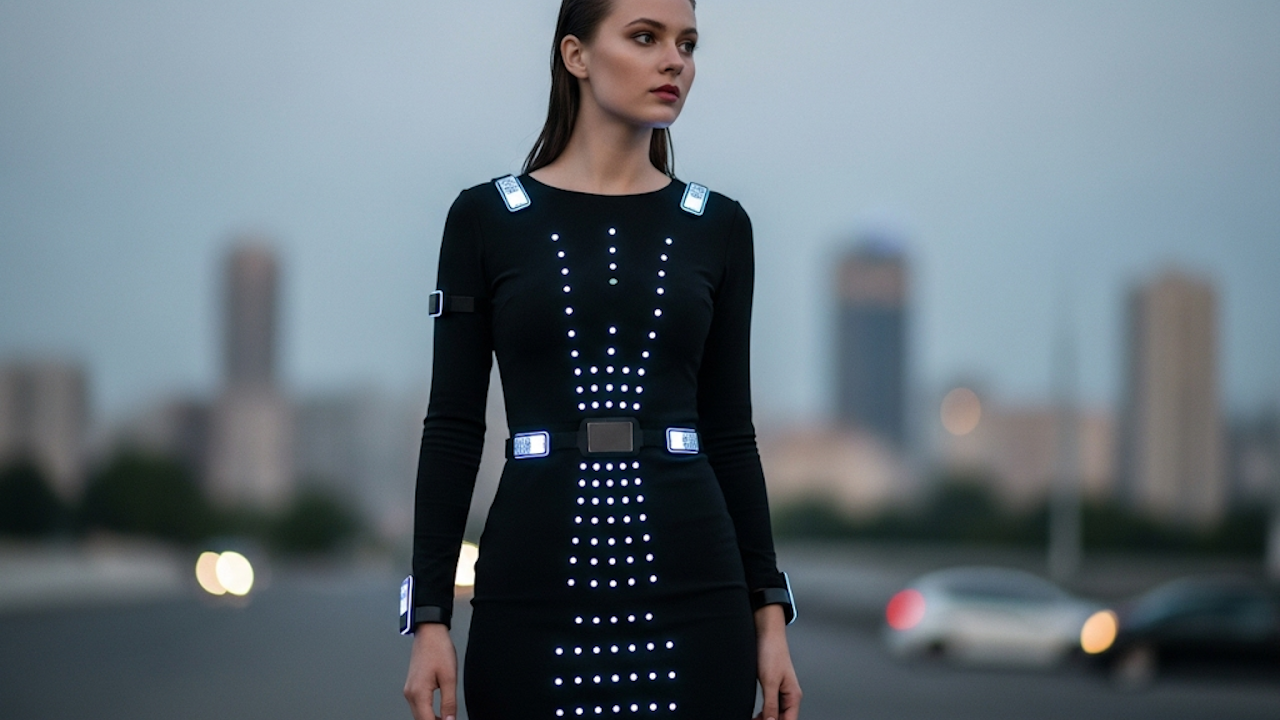
In an era where technology permeates every aspect of daily life, clothing has evolved from mere fabric into a sophisticated interface between the human body and the digital world. Smart clothing, also known as e-textiles or wearable tech apparel, represents the seamless fusion of fashion and functionality. These garments embed sensors, conductive fibers, microelectronics, and connectivity features directly into the weave of the material itself. Unlike traditional wearables such as watches or fitness trackers that sit atop the body, smart clothing disappears into the outfit, offering discreet monitoring, adaptive responses, and interactive capabilities while maintaining the aesthetic appeal of everyday attire. This convergence is not just a novelty; it signals a profound shift in how people interact with their clothes, turning wardrobes into tools for health, productivity, and self-expression.
The concept of smart clothing may feel futuristic, but its roots stretch back centuries. Early conductive threads appeared as far back as the Elizabethan era, when gold-wrapped fibers adorned royal garments for decorative shimmer. By the late 19th century, inventors experimented with electric jewelry and illuminated costumes as electricity became commonplace. The modern foundation emerged in the 1960s and 1970s with exhibitions exploring technology and apparel, followed by breakthroughs in the 1980s. One notable milestone came in 1985 when inventor Harry Wainwright created the first fully animated sweatshirt using fiber optics and a microprocessor. The 1990s saw academic research, particularly at MIT, focus on smart apparel for military applications, integrating sensors for vital signs monitoring. By the early 2000s, commercial prototypes began appearing, paving the way for today’s advanced e-textiles. What started as bulky add-ons has transformed into lightweight, flexible integrations thanks to advancements in conductive yarns, flexible circuits, and nanotechnology.
At the core of smart clothing lies a blend of materials science and engineering. Conductive threads, often made from metals like silver or copper coated in polymers, or carbon-based nanomaterials, allow electricity to flow through fabric without compromising flexibility or comfort. Sensors woven or embroidered into the textile detect metrics such as heart rate, respiration, posture, temperature, or even muscle activity. These connect to tiny microcontrollers and Bluetooth or NFC modules for data transmission to smartphones or cloud platforms. Power sources have evolved too. Traditional rechargeable batteries remain common, but innovations include kinetic energy harvesting from movement, solar cells embedded via perovskite technology, and even thermoelectric generators that draw energy from body heat. Some fabrics incorporate phase-change materials that regulate temperature automatically or thermochromic dyes that shift colors in response to environmental conditions. Artificial intelligence algorithms process the collected data in real time, offering insights or triggering actions like gentle vibrations for posture correction. The result is clothing that feels ordinary but behaves intelligently, washing and wearing much like conventional garments while delivering high-tech performance.
One of the most prominent applications of smart clothing centers on health and fitness monitoring. Garments equipped with biometric sensors provide continuous, non-invasive tracking far superior to occasional wrist checks. For instance, smart shirts from companies like Hexoskin capture heart rate variability, breathing patterns, and activity levels with clinical-grade accuracy, appealing to athletes and medical patients alike. In fitness contexts, brands such as Under Armour have integrated sensors into compression wear to analyze muscle exertion and form during workouts. Sensoria’s smart socks use pressure sensors to track gait, distance, and cadence for runners, while also alerting users to potential injury risks. For individuals managing chronic conditions, Siren smart socks monitor foot temperature to help prevent diabetic ulcers, sending alerts via connected apps. Stress-monitoring shirts detect elevated cortisol indicators through skin conductance and recommend breathing exercises or breaks. These features extend to everyday wellness, with underwear lines like Myant’s Skiin collection tracking sleep quality, heart rhythms, and even reproductive health metrics discreetly throughout the day. The data empowers users with personalized feedback, turning passive clothing into active health coaches that promote preventive care without the need for separate devices.
Beyond health, smart clothing enhances performance in sports and professional settings. Yoga enthusiasts benefit from pants like those with embedded haptic feedback that guide alignment during poses through subtle vibrations. Swimsuits from early innovators collected stroke data and lap times, while modern adaptive athletic gear adjusts insulation or ventilation based on sweat levels and exertion. In the workplace, protective smart clothing serves frontline workers. Construction vests with sensors detect falls or hazardous gas levels and notify supervisors instantly. Military and first-responder uniforms incorporate vital-signs monitoring and GPS for real-time team coordination. Even office attire has entered the fray, with posture-correcting denim jeans that vibrate gently at the waistband to remind wearers to sit upright during long hours at desks. These practical enhancements demonstrate how smart clothing bridges utility and style, making high-performance features invisible to onlookers.
Fashion houses have embraced the trend to infuse style with innovation, proving that tech need not sacrifice elegance. Levi’s collaboration with Google on the Jacquard jacket remains a landmark example, where conductive threads in the sleeve allow users to control music, take calls, or summon navigation through simple gestures, all while the garment looks like classic denim. Ralph Lauren’s PoloTech shirts blend biometric tracking with premium cotton aesthetics for athletes who value both data and design. Luxury brands experiment with adaptive elements, such as jackets that heat up in cold weather or skirts whose patterns shift via embedded LED fibers or electrochromic materials. In 2025 and 2026, the focus has sharpened on normcore integration, where smart features hide in everyday basics. Homegrown labels like Turms offer intelligent shirts that repel stains and odors, extending garment life and reducing laundry needs. Temperature-reactive fabrics adjust insulation automatically, while color-changing textiles respond to mood or environment for personalized expression. Market data underscores the momentum: the global smart clothing sector reached about 5.88 billion dollars in 2025 and is projected to grow to nearly 39 billion dollars by 2033 at a compound annual growth rate of 26.8 percent. Adoption has surged 156 percent among style-conscious consumers, with e-textile integration appearing in 78 percent of premium collections. This growth reflects a cultural shift toward clothing that works as hard as it looks good.
Despite impressive strides, smart clothing faces notable hurdles that temper widespread adoption. Cost remains a primary barrier; integrating advanced sensors and electronics drives prices well above standard apparel, often exceeding 150 dollars per piece and limiting access for everyday consumers. Durability poses another challenge. Embedded components must endure repeated washing, stretching, and abrasion without failing, yet many early prototypes degraded after a handful of cycles. Battery life and charging present logistical issues, as users prefer hassle-free garments over frequent maintenance. Privacy concerns loom large too. Continuous biometric data collection raises questions about security, consent, and potential misuse by third parties or hackers. Consumer awareness lags in many markets, particularly emerging ones, where the benefits of smart fabrics may not yet outweigh familiarity with basic clothing. Technical standardization is incomplete, leading to compatibility issues across devices and apps. Manufacturers also grapple with supply chain complexities for specialized conductive materials. Addressing these requires ongoing innovation in washable electronics, affordable production methods like scalable weaving techniques, and transparent data policies from brands.
Looking ahead, the future of smart clothing appears poised for deeper integration and broader accessibility. Artificial intelligence will play a larger role, enabling predictive features such as garments that anticipate user needs based on routines or environmental cues. Energy-harvesting advancements, including Toyota’s perovskite solar cell embeddings announced in 2025, could make clothing self-powering and capable of charging other devices. Collaborations between tech giants and fashion labels will yield more seamless designs, with smart glasses and other wearables complementing rather than competing against apparel. Sustainability efforts may incorporate recyclable e-textiles and low-impact manufacturing to align with eco-conscious consumers. Applications could expand into aging care, as seen in prototypes like HUFU garments that encourage gentle movement for seniors through interactive prompts. In entertainment and social contexts, clothing might facilitate augmented reality experiences or group synchronization via shared data networks. By 2030, experts anticipate smart clothing becoming as commonplace as smartphones, with everyday items offering subtle enhancements that enhance quality of life without drawing attention. Regulatory frameworks around data protection and safety standards will likely mature alongside the technology, fostering trust and innovation.
In conclusion, smart clothing exemplifies the harmonious meeting of wearable technology and personal style. It transforms passive fabrics into dynamic companions that monitor health, boost performance, adapt to conditions, and even express individuality in novel ways. From historical experiments with conductive threads to today’s market-ready garments that blend invisibly into wardrobes, the journey reflects humanity’s enduring desire to enhance everyday experiences through ingenuity. While challenges in cost, durability, and ethics persist, rapid advancements and consumer enthusiasm point toward a future where clothing does far more than cover the body. It protects, informs, and inspires. As this technology matures, it promises not only smarter closets but also healthier, more connected lives. The threads of innovation are already woven in, and the wardrobe of tomorrow beckons with possibilities limited only by imagination.