

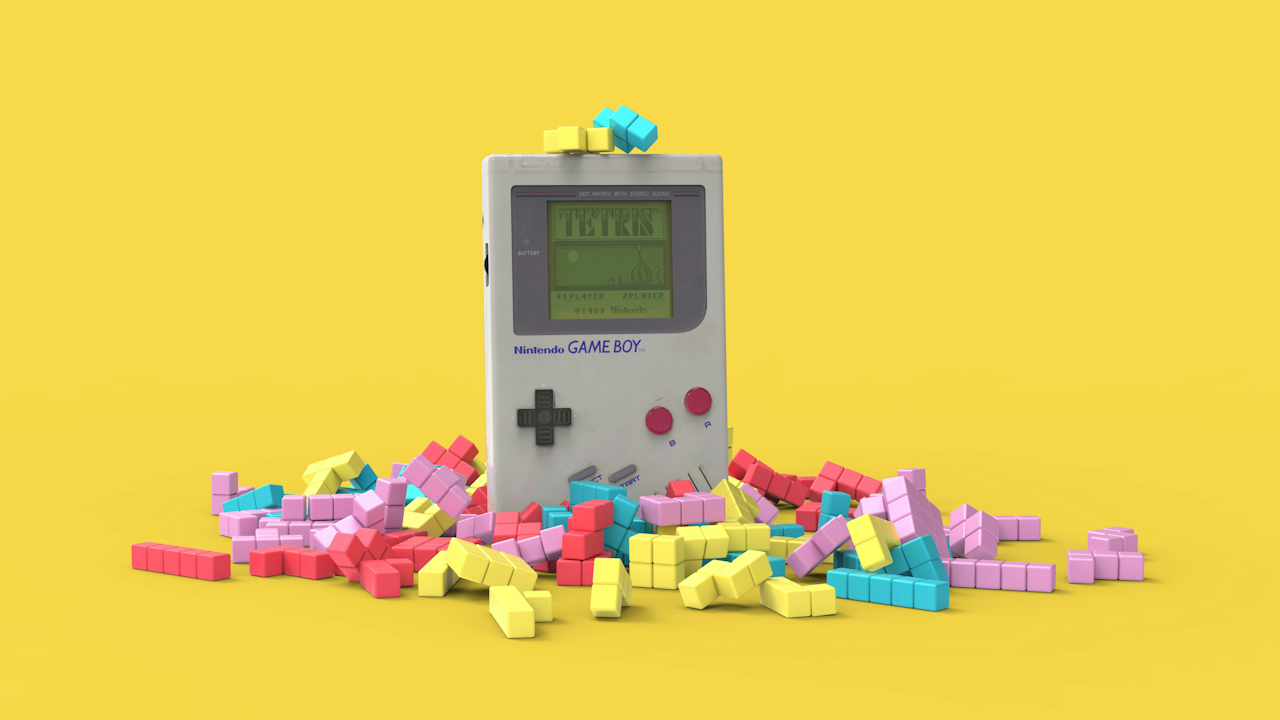
In an age where video games often demand high end hardware, constant internet connections, and microtransactions that can stretch into the hundreds of dollars, a surprising counter trend has taken root. Retro games, the simple yet captivating titles from the 1970s through the early 2000s, are surging back into the spotlight. Once dismissed as outdated relics of a bygone era, these classics are now fueling a multibillion dollar industry segment. From pocket sized handhelds loaded with thousands of titles to lavish remasters and brand new games designed in the spirit of the past, retro gaming has evolved from a nostalgic pastime into a mainstream movement. This revival is not just about looking backward. It reflects deeper shifts in player preferences, technological accessibility, and cultural values. As we move through 2026, the evidence points to retro games not merely surviving but thriving in ways that few could have predicted a decade ago.
To understand the scale of this comeback, it helps to look at the data. The global retro gaming console market reached 3.8 billion dollars in 2025, marking a 21.8 percent increase from the previous year. Projections for 2026 estimate further growth to 4.18 billion dollars, a compound annual growth rate of around 10 percent that easily outstrips the overall console market. Sales of vintage hardware and related accessories jumped 32 percent in 2025 compared with the full year prior. These figures come amid a broader gaming industry that, while massive at nearly 200 billion dollars annually, is seeing retro as one of its fastest expanding niches. Physical re releases of classic titles are flooding modern platforms, and events such as Gamescom in 2025 highlighted a wave of retro inspired announcements that dominated floor space and headlines. What was once a fringe interest confined to online forums and garage sales has become a legitimate force reshaping how millions play and connect with games.
The roots of retro gaming stretch back to the very birth of the medium. In the late 1970s and 1980s, pioneers like Atari, Nintendo, and Sega introduced the world to arcade cabinets and home consoles that relied on bright pixels, chiptune soundtracks, and tight gameplay loops. Titles such as Pac Man, Super Mario Bros., and Sonic the Hedgehog defined an entire generation. These games emphasized fun, challenge, and immediate accessibility rather than sprawling narratives or photorealistic visuals. By the 1990s, the industry had matured with 16 bit systems and the dawn of 3D graphics on the PlayStation and Nintendo 64. Yet even as technology advanced, the charm of earlier eras lingered in the memories of players who grew up with them. The early 2000s brought high definition displays and online multiplayer, which pushed retro titles to the margins. Many assumed that as graphics improved and processing power skyrocketed, older games would fade into irrelevance, preserved only by a small community of collectors and emulation enthusiasts.
That assumption proved incorrect. The decline of retro gaming in the mainstream was temporary, driven largely by the novelty of new technology. As modern games grew more complex, with lengthy tutorials, seasonal battle passes, and always online requirements, a backlash emerged. Players began craving experiences that felt complete upon purchase, free of patches or live service obligations. Retro titles delivered exactly that. A single cartridge or digital file offered hours of polished gameplay without interruptions. This desire for simplicity coincided with demographic shifts. Millennials, now in their thirties and forties with stable incomes, rediscovered the games of their youth. At the same time, younger players from Generation Z encountered retro through social media clips, speedrun videos, and family hand me downs. Studies show that even teens and young adults are turning to older tech for its tactile feel and distraction free nature. In a world saturated with notifications and algorithmic feeds, booting up an 8 bit adventure provides a refreshing escape.
Technological advancements have played a pivotal role in accelerating the revival. Emulation software, once a gray area legally and technically challenging, has become user friendly and widely available. Open source projects allow anyone with a modest computer or smartphone to play thousands of classic games with enhanced features like save states and widescreen support. Hardware innovations have taken this further. Companies such as Analogue produce premium field programmable gate array devices that replicate original console behavior with stunning accuracy, down to the scanlines on a cathode ray tube television. Budget friendly options like the Miyoo Mini Plus, priced around 50 dollars, have democratized the hobby. These palm sized handhelds run everything from Game Boy titles to PlayStation 1 games on crisp screens, with community developed firmware adding polish. Retro handhelds flooded the market throughout 2025 and into 2026, turning commutes and downtime into opportunities for classic play. Mini consoles from Nintendo, Sega, and third party manufacturers continue to sell strongly, offering plug and play access to curated libraries without the hassle of original hardware maintenance.
Beyond hardware, the software side of retro gaming has exploded with creativity. Major publishers have embraced remasters and collections, breathing new life into franchises. Capcom, Konami, and Square Enix have released updated versions of fighting games, action adventures, and role playing epics, often with modern quality of life improvements while preserving the original spirit. Physical releases of retro games on current consoles have become a highlight of 2026, with publishers catering to collectors who prefer tangible boxes and manuals. At the same time, independent developers have built an entire subgenre around retro aesthetics. Pixel art, once a limitation of old technology, is now a deliberate artistic choice that evokes warmth and personality. Games featuring chiptune music and limited color palettes stand out amid the sea of realistic 3D worlds. Titles inspired by 1980s and 1990s design principles dominate indie charts, proving that strong mechanics and inventive level design matter more than polygon counts. This wave includes metroidvanias, roguelikes, and platformers that capture the essence of classics while introducing fresh ideas.
Community and culture have amplified the comeback in profound ways. Platforms like YouTube and Twitch teem with content creators who showcase speedruns, long plays, and deep dives into obscure titles. These videos introduce new audiences to games they might never have tried otherwise. Retro gaming conventions and arcade revivals draw crowds seeking social experiences, from competitive tournaments to casual couch co op sessions. The tactile joy of physical controllers and CRT monitors has sparked a secondary market for vintage peripherals, with enthusiasts restoring old machines or building custom setups. Even fashion and music have caught on, with 8 bit inspired apparel and synthwave soundtracks appearing in mainstream stores. This cultural momentum creates a virtuous cycle. As more people engage with retro games, demand grows for preservation efforts, fan translations, and homebrew projects. Developers respond by creating new content for old systems, ensuring that the library of playable experiences expands rather than shrinks.
The economic impact of this resurgence extends beyond nostalgia sales. Retro gaming has opened new revenue streams for both large studios and small teams. Limited run publishers specialize in physical editions of indie and classic titles, often selling out quickly to dedicated fans. The rise of retro arcades, complete with neon lights and original cabinets, taps into the experience economy where people pay for memorable outings rather than solitary screen time. Market analysts note that this segment appeals across age groups and geographies, with North America leading but strong growth in Europe and Asia. For developers, retro style projects require smaller budgets and shorter timelines than triple A productions, lowering barriers to entry and encouraging experimentation. This has led to a renaissance in game design, where lessons from the past, such as tight controls and rewarding difficulty curves, influence even big budget titles.
Of course, the revival is not without challenges. Legal questions around emulation and copyright persist, though many publishers now view fan communities as allies rather than threats. Preservation remains an ongoing effort, as original media degrades over time and some games risk being lost forever without digital backups. Accessibility can also be an issue for those without technical know how, though simplified devices and services are addressing this gap. Looking ahead, the future appears bright. With projections showing the retro market approaching 8.5 billion dollars by 2033, industry leaders are investing heavily in backward compatibility and re releases. New generations of hardware will likely blend classic fidelity with modern conveniences, such as wireless connectivity and cloud saves. Arcade style experiences may expand into hybrid physical digital venues, while indie studios continue pushing boundaries within retro frameworks.
Ultimately, the massive comeback of retro games signals a maturing of the medium. Video games have grown from a novelty into a dominant form of entertainment, and with that maturity comes appreciation for their history. Players are voting with their wallets and their time for experiences that prioritize joy, creativity, and completion over endless grinding or graphical spectacle. Retro gaming reminds us that the best games transcend technology. They connect us through shared memories, challenge our skills, and spark imagination in ways that feel timeless. As 2026 unfolds with more physical ports, innovative handhelds, and pixel powered originals on the horizon, it is clear that the past is not just being revisited. It is actively shaping the future of play. In embracing retro, the gaming world has found balance between innovation and tradition, ensuring that the golden age of gaming never truly ends but instead evolves alongside us.