

In 2025 retro gaming continues to thrive as a vibrant part of the hobby. While modern systems offer incredible graphics and vast libraries through backward compatibility or subscription services, nothing quite matches the tactile feel and dedicated experience of owning a genuine retro console. Whether you are dusting off childhood favorites, building a collection for the first time, or seeking authentic gameplay that modern emulation sometimes falls short of replicating, these systems deliver unique joys. Prices for many classics have stabilized after years of inflation, making them more accessible than ever. Communities around repairs, modifications like HDMI adapters or flash carts, and local multiplayer sessions remain strong. Collectors and casual players alike find value in the simplicity of cartridge or disc based gaming without the distractions of online connectivity or microtransactions. This article explores the retro consoles that still deserve a prominent spot in your setup this year, focusing on their libraries, enduring appeal, and practical reasons for ownership in the current landscape.
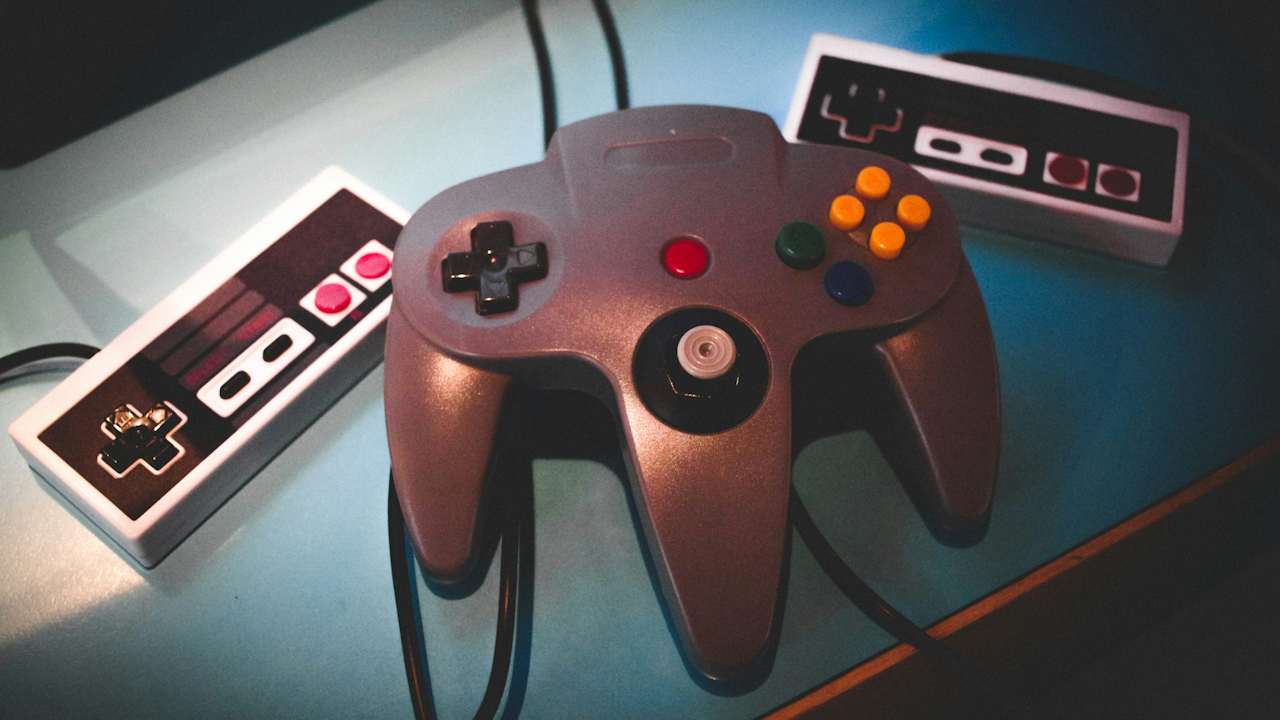
The Nintendo Entertainment System remains a cornerstone for any serious retro enthusiast. Released in the mid 1980s, the NES introduced millions to home console gaming with its 8 bit graphics and innovative controller design. Titles such as Super Mario Bros, The Legend of Zelda, and Metroid defined platforming and adventure genres that influence games to this day. In 2025 the NES is worth owning not just for nostalgia but for its compact library of over 700 officially licensed games that emphasize tight controls and creative level design. Original hardware can be found affordably on secondary markets, often under 100 dollars for a working unit with a few games. Pair it with a flash cart like the EverDrive for easy access to your collection or an HDMI mod for modern displays. The system shines on a CRT television if you can source one, delivering the authentic scanline look that high definition upscalers approximate but never fully duplicate. Newer players appreciate how the NES forces focus on pure mechanics without hand holding tutorials. Maintenance is straightforward with common parts available online, and the console holds sentimental value for families passing down experiences to younger generations.
Building on that foundation, the Super Nintendo Entertainment System offers a significant leap in power and variety. Launched in the early 1990s, the SNES brought 16 bit visuals, improved sound, and iconic franchises to life. Games like Super Mario World, The Legend of Zelda: A Link to the Past, and Chrono Trigger showcase expansive worlds, memorable soundtracks, and deep storytelling that still hold up remarkably well. With around 700 titles in its library, the SNES provides endless replayability through action platformers, RPGs, and fighters. Ownership in 2025 makes sense because the console is plentiful and reasonably priced, with complete in box units often available for under 200 dollars depending on condition. Flash carts expand the experience dramatically, allowing homebrew titles and translations that keep the system fresh. Multiplayer support for games such as Super Mario Kart encourages social gatherings, a feature many modern titles lack in local form. The SNES also benefits from a dedicated modding scene that includes RGB output for pristine picture quality on compatible displays. Its library overlaps nicely with the NES for a complete Nintendo experience, and the system serves as an entry point for those exploring Japanese imports via region free adapters.
Sega fans should prioritize the Genesis, also known as the Mega Drive in other regions. This 16 bit powerhouse from the late 1980s and early 1990s delivered fast paced action and a rebellious attitude that contrasted with Nintendo’s family friendly image. Standout games include Sonic the Hedgehog series entries, Streets of Rage, and Phantasy Star, offering speed, beat em ups, and expansive RPGs. The Genesis library exceeds 900 titles, many of which emphasize arcade style intensity and innovative sound chips for punchy audio. In 2025 the console earns its place through strong availability and low entry cost, with used systems frequently selling for 50 to 100 dollars. The official Genesis Mini provides a convenient plug and play alternative loaded with dozens of classics and HDMI output, though original hardware with a flash cart unlocks the full catalog. Wireless controller upgrades and HDMI converters make integration with contemporary televisions seamless. The system’s competitive multiplayer library fosters couch co op sessions that feel more immediate than online alternatives. Sega’s bold design choices, such as the six button controller for fighting games, add to the tactile satisfaction that defines retro ownership.
The Nintendo 64 stands out as one of the hottest retro systems to collect and play right now. Debuting in the mid 1990s, it pioneered 3D gaming with titles that defined the era. Super Mario 64 revolutionized platforming with open environments, while The Legend of Zelda: Ocarina of Time set standards for epic adventures and GoldenEye 007 brought console first person shooters to the masses. Its library, though smaller at around 300 games, contains many enduring masterpieces that benefit from analog controls and four player support in games like Mario Kart 64. Demand surged in recent years, making N64 units and cartridges more sought after, yet complete setups remain obtainable for 150 to 300 dollars. Expansion packs and controller upgrades enhance compatibility with modern setups via RGB or HDMI solutions. The console rewards patience with its unique cartridge based loading and controller feel that no emulator fully captures for purists. Local multiplayer remains a highlight, turning game nights into memorable events. With community driven projects for texture enhancements on original hardware, the N64 offers a bridge between classic and modern sensibilities without losing its charm.
Sony’s original PlayStation deserves serious consideration for its role in shifting the industry toward CD based media and mature storytelling. Arriving in the mid 1990s, the PS1 introduced cinematic experiences through games like Final Fantasy VII, Metal Gear Solid, and Resident Evil. Its library surpasses 1000 titles, spanning RPGs, action adventures, and horror that influenced countless successors. Disc based games are inexpensive and plentiful in 2025, with consoles often available for under 100 dollars in good condition. Memory cards and multitaps enable expansive save systems and multiplayer, while region free mods open access to international releases. The system pairs well with CRTs for the authentic low resolution glow or with upscalers for sharper modern viewing. Ownership provides a gateway to genres that later consoles expanded upon, and the PS1’s library includes hidden gems that reward exploration. Its cultural impact ensures a thriving aftermarket for accessories and repairs, keeping units operational for years to come.
For those seeking something more offbeat yet unforgettable, the Sega Dreamcast delivers innovation in a compact package. Released at the turn of the millennium, it featured online capabilities ahead of its time along with stunning visuals for its era. Classics such as Shenmue, Jet Set Radio, and Crazy Taxi blend narrative depth, stylish action, and arcade thrills. Though its official lifespan was short, the Dreamcast boasts a passionate following and a library of over 600 games, many enhanced by VMU memory cards for portable data. In 2025 the console is a smart buy at 100 to 200 dollars for a full setup, thanks to abundant supply and dedicated homebrew support. Broadband adapters and HDMI mods modernize connectivity, while the system’s GD ROM format preserves the original loading quirks that add character. The Dreamcast excels in genres like fighting and racing that feel alive on original hardware. Its cult status fosters a tight knit community that shares tips on maintenance and rare imports, making ownership a rewarding long term investment in both fun and preservation.
The PlayStation 2 extends the retro timeline into the early 2000s with backward compatibility and an enormous game library. Launching in 2000, it became one of the best selling consoles ever by offering DVD playback alongside thousands of titles. Highlights include Grand Theft Auto: San Andreas, God of War, and Shadow of the Colossus, blending open world freedom, epic action, and artistic storytelling. With over 4000 games available, the PS2 provides unmatched variety for any mood or genre preference. Units are extremely affordable in 2025, often under 100 dollars with a stack of discs. Network adapters enable online play for supported titles, and slim models reduce space requirements. The console’s ability to play PS1 games adds extra value for collectors transitioning libraries. Its role as a media hub alongside gaming ensures versatility in living room setups. Community resources for disc cleaning and firmware updates keep these machines running smoothly decades later.
Portable gaming deserves equal attention through the Game Boy family, particularly the Game Boy Advance. These handhelds brought console quality experiences on the go with titles like Pokemon Emerald, The Legend of Zelda: The Minish Cap, and Advance Wars. The GBA’s library exceeds 1000 games, many optimized for its color screen and button layout. Original units or SP models with backlights remain popular and budget friendly at 50 to 150 dollars. Flash carts expand options dramatically for homebrew and ROMs, while reproductions or Analogue Pocket style FPGA devices offer enhanced displays without sacrificing authenticity. Battery life and portability make them ideal for travel or quick sessions. The tactile feel of physical cartridges and the simplicity of no internet required play stand out in an era of always connected devices. Families appreciate how these systems encourage shared discovery of classics without complex setups.
Finally, consider modern faithful reproductions like the Evercade series or Atari 2600+ for those wanting plug and play convenience with physical media. The Evercade VS-R supports cartridges from multiple eras with licensed games and HDMI output, while the Atari 2600+ recreates early console magic with original joystick compatibility. These options bridge the gap for newcomers wary of vintage hardware repairs yet eager for authentic vibes. In 2025 they complement rather than replace originals by offering reliable performance and expanding libraries through new releases.
Owning these retro consoles in 2025 goes beyond mere nostalgia. It preserves hardware history, supports local multiplayer traditions, and provides gameplay unburdened by modern bloat. Start small with one system and a handful of favorites, then expand based on your preferences. Check reputable marketplaces for tested units, invest in basic maintenance tools, and join online forums for advice. Whether you prefer the pixel perfect charm of 8 bit adventures or the 3D worlds of the late 1990s, these systems reward dedication with timeless entertainment. The retro scene shows no signs of fading, and investing in hardware now ensures you can enjoy it for years to come.