

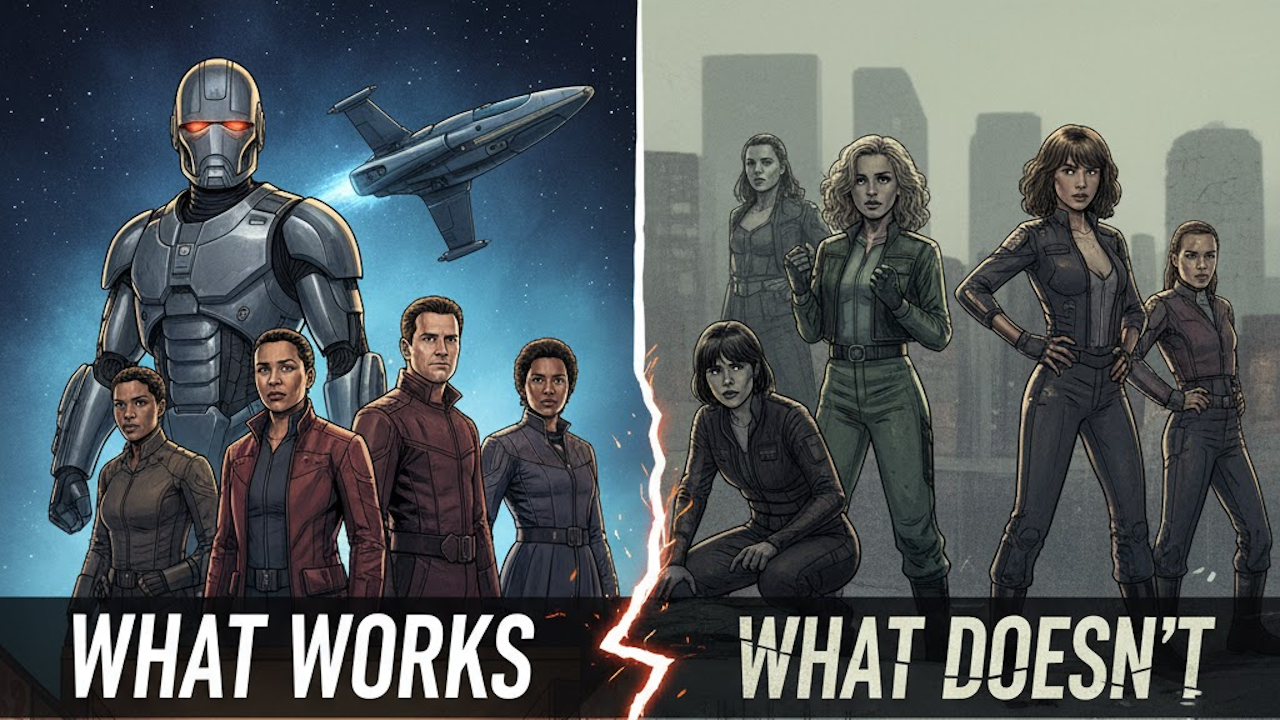
In an era dominated by familiar intellectual property, reboots and revivals have become a staple of Hollywood and television production. Studios and streamers lean on established brands to minimize risk in a crowded market where attention spans are short and production costs are high. Yet not all attempts to resurrect old favorites succeed. Some capture lightning in a bottle again, delighting longtime fans while attracting new ones. Others feel like cynical cash grabs that tarnish legacies. This article explores the landscape of reboots and revivals, examining the elements that separate triumphs from disappointments.
Defining the Terms
Before diving deeper, it helps to clarify distinctions. A reboot typically restarts a franchise with a new continuity, often updating characters, settings, or technology for contemporary audiences. Think of it as wiping the slate clean while keeping core concepts. A revival, by contrast, brings back the same characters and world years later, continuing the story or picking up after a hiatus. Remakes retell a specific story, sometimes shot for shot or with fresh twists. These categories often blur, but the common thread is nostalgia mixed with the challenge of relevance.
A Brief History
Reboots and revivals are not new. Early television saw revivals like The New Leave It to Beaver in the 1980s. Film history includes updates to classics such as The Mummy in 1999. The practice accelerated in the 2000s with origin story reboots like Batman Begins (2005) and the Star Trek reboot (2009). Television followed suit with shows like the reimagined Battlestar Galactica (2004). By the 2010s and 2020s, streaming platforms amplified the trend, reviving canceled favorites to leverage subscriber nostalgia. Properties like The X-Files, Twin Peaks, and Fuller House returned amid a broader cultural hunger for comfort in uncertain times.
What Works: The Ingredients of Success
Successful reboots and revivals share several key traits. They respect the source material without being enslaved by it. They balance nostalgia with fresh storytelling. They prioritize quality over quick profits. And they often find ways to evolve themes for new generations.
Respect for Canon and Spirit: The best projects understand what made the original resonate. Cobra Kai (2018-present) brilliantly continues The Karate Kid by flipping perspectives. It treats Daniel LaRusso and Johnny Lawrence as complex adults shaped by past rivalries, blending 1980s nostalgia with sharp writing on rivalry, parenting, and redemption. The result: broad appeal across age groups and strong critical and commercial success.
Strong Creative Vision: Visionary talent can transform familiar territory. The 2004 Battlestar Galactica reimagining took a campy 1970s space opera and turned it into a gritty post-9/11 allegory about war, terrorism, and humanity. Ronald D. Moore’s grounded approach, combined with excellent acting and moral complexity, made it one of television’s finest reboots. Similarly, J.J. Abrams’ Star Trek (2009) delivered high-energy adventure and character focus while honoring the franchise’s optimistic spirit.
Nostalgia Done Right: Effective entries evoke warm memories without relying solely on them. Ocean’s Eleven (2001) updated the 1960s Rat Pack film with a slick ensemble cast, witty dialogue, and stylish heists. It succeeded by assembling talent like George Clooney, Brad Pitt, and Julia Roberts in service of clever plotting rather than mere callbacks.
Updating for Modern Audiences: Successful projects address contemporary issues thoughtfully. One Day at a Time (2017-2020) revived the Norman Lear sitcom format with a Cuban-American family, tackling immigration, mental health, and LGBTQ+ themes while retaining multi-camera warmth and humor. Strong writing and performances made it feel vital.
Character-Driven Stories: At their best, these projects deepen characters rather than just recycling plots. Twin Peaks: The Return (2017) defied expectations by delivering a surreal, meditative continuation that challenged viewers. David Lynch’s uncompromising vision turned nostalgia into something stranger and more profound.
Other notable successes include The Mandalorian expanding the Star Wars universe, thoughtful continuations like Justified: City Primeval, and animated revivals like Samurai Jack Season 5 that matured with their audience.
What Doesn’t Work: Common Pitfalls
Many reboots and revivals falter by ignoring the fundamentals that made originals special. They prioritize spectacle, demographics, or short-term gains over substance.
Cash Grabs and Lack of Passion: When projects exist primarily to exploit brand recognition, quality suffers. Several Ghostbusters attempts after the original struggled to recapture the perfect mix of comedy and effects. The 2016 all-female version faced backlash partly due to marketing that positioned it against fans rather than inviting them in. Later entries felt similarly opportunistic.
Ignoring or Disrespecting the Original: Some reboots fundamentally misunderstand their source. The Charmed reboot (2018) aimed for a feminist update but drew criticism for alienating elements of the original’s tone and for creative decisions that felt disconnected. The Velma animated series (2022) reimagined Scooby-Doo characters with cynical modern twists that many felt missed the lighthearted spirit.
Poor Execution and Casting: Revivals often suffer when key talent is absent or when writing fails to evolve. Later seasons of The X-Files revival struggled with uneven storytelling and diminished chemistry. Sitcom revivals like certain iterations of Arrested Development on Netflix felt like pale imitations, relying on familiar jokes without the original spark.
Forcing Relevance or Demographic Pandering: Attempts to “modernize” by changing core elements without justification often backfire. Heavy-handed social commentary that feels tacked on, or recasting that prioritizes optics over fit, can alienate core audiences. The 2011 Charlie’s Angels series forgot the campy fun of the original. Some animated reboots on networks like Cartoon Network altered beloved characters or tones, leading to declining interest.
Over-Reliance on Nostalgia Without Innovation: Projects that coast on callbacks without new ideas grow stale quickly. Fuller House delivered comfort food but lacked the original’s edge for many viewers. Others, like certain Saved by the Bell or Punky Brewster revivals, felt like contractual obligations rather than inspired returns.
Failed examples include Heroes: Reborn, various Fantastic Four reboots, The Mummy (2017), and numerous short-lived TV returns that canceled quickly due to low ratings or poor reviews.
Industry Drivers and Challenges
Studios love reboots because proven IP reduces marketing risk and offers built-in audiences. In the streaming age, familiar titles help retain subscribers. However, this approach contributes to a perceived lack of originality. Audiences crave new stories but also comfort, creating a tension creators must navigate.
Challenges include aging casts, shifting cultural contexts, and fan expectations. Rights issues and creative fatigue add complexity. Successful teams often include original creators or respectful stewards who treat the material as living rather than frozen.
Lessons and Future Outlook
The difference between success and failure often comes down to intent and execution. Projects that treat audiences with respect, deliver strong narratives, and find genuine reasons to exist tend to thrive. Those chasing trends or easy money usually disappoint.
Looking ahead, the appetite for reboots shows no signs of slowing. Emerging technologies like improved visual effects may enable bolder returns. Yet the most promising path involves hybrid approaches: expanding universes thoughtfully (as in the Marvel Cinematic Universe’s early days) or creating standalone stories within beloved worlds.
Ultimately, reboots and revivals work best when they honor the past while carving out a meaningful present. They remind us why we fell in love with these stories initially and prove that, with care, old friends can still surprise and delight us. In a media landscape overflowing with options, the ones that feel authentic endure. Those that do not serve as cautionary tales about the perils of nostalgia without substance.
The key takeaway is simple: great storytelling transcends eras. When creators remember that, reboots become celebrations rather than disappointments.