

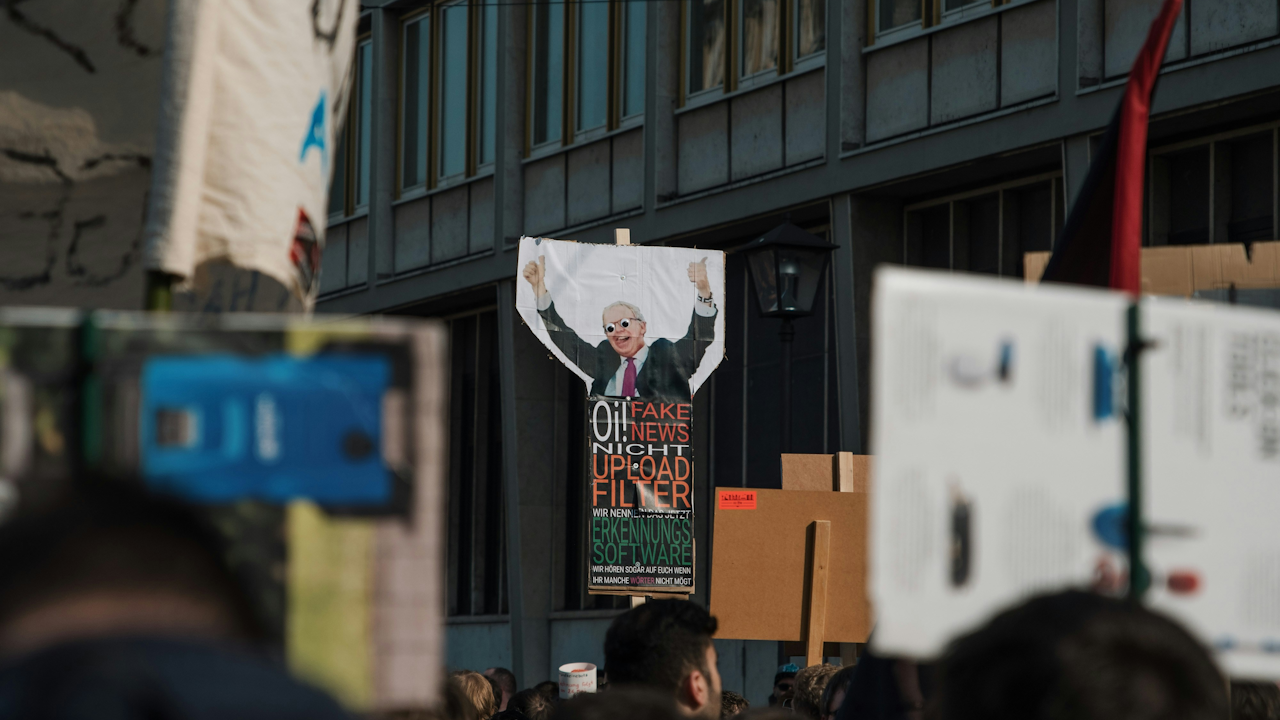
The way people protest has changed forever. Once defined by physical gatherings, hand-painted signs, and slow-building momentum through newspapers and television, dissent now begins with a few keystrokes. A single hashtag can rally thousands within hours, turning private frustrations into public movements that dominate news cycles worldwide. In the digital era, protests travel from social media feeds straight to front-page headlines, reshaping politics, culture, and power structures along the way. This shift has democratized activism in unprecedented ways while introducing new complexities, risks, and questions about effectiveness. What began as a tool for connection has become a battleground for influence, where ordinary citizens compete with governments, corporations, and algorithms for attention.
The transformation did not happen overnight. Traditional protests of the 20th century, such as the March on Washington in 1963 or the anti-apartheid campaigns in South Africa, depended on coordinated logistics and favorable media coverage. Organizers spent weeks or months planning routes, securing permits, and courting journalists. Success often hinged on whether mainstream outlets chose to broadcast the events. Digital technology dismantled many of those barriers. The internet first offered email lists and bulletin boards for basic coordination, but the explosion of social media platforms around 2006 to 2010 provided something far more potent: instant, borderless reach combined with multimedia sharing.
The Arab Spring stands as an early landmark. When Mohamed Bouazizi set himself on fire in Tunisia in December 2010 to protest police corruption and economic hardship, videos and accounts spread rapidly on Facebook and Twitter. Within weeks, similar uprisings erupted across North Africa and the Middle East. Protesters in Egypt used the platforms to call for mass demonstrations in Tahrir Square, documenting police violence in real time and sharing it globally. The hashtag #Egypt trended for days, drawing international solidarity and forcing world leaders to respond. Although the long-term political results varied widely, with some countries sliding back into authoritarian rule, the movement proved that digital networks could accelerate mobilization and bypass state-controlled television and newspapers.
Hashtags themselves emerged as a powerful organizing force. Simple, searchable phrases allow scattered individuals to find one another and build collective identity without formal leadership structures. The Black Lives Matter movement illustrates this dynamic vividly. It originated in 2013 when Alicia Garza, Patrisse Cullors, and Opal Tometi created the hashtag #BlackLivesMatter after George Zimmerman was acquitted in the killing of Trayvon Martin. The phrase lay relatively dormant until 2020, when the police killing of George Floyd in Minneapolis ignited a global response. Smartphones captured the incident on video, and within days millions of posts using #BlackLivesMatter flooded timelines. Protests erupted in more than 140 cities across the United States and spread to dozens of countries. Corporate brands rushed to issue statements, and political leaders faced pressure to address systemic racism. Fundraising campaigns linked to the hashtag raised tens of millions of dollars for local organizations.
A parallel phenomenon unfolded with #MeToo. In 2017, actress Alyssa Milano encouraged survivors of sexual harassment and assault to share their stories using the hashtag, which had originally been coined years earlier by activist Tarana Burke. The response was overwhelming. High-profile figures in entertainment, politics, and business faced public accountability, leading to resignations, policy changes, and new legal precedents. What made #MeToo distinctive was its ability to connect personal testimony across continents and industries, creating a sense of shared experience that traditional organizing might have taken years to achieve.
Climate activism has followed a similar trajectory. In 2018, Swedish teenager Greta Thunberg began skipping school on Fridays to protest outside parliament, posting updates on social media. The image of one young person holding a simple sign resonated instantly. Within months, students worldwide adopted the model under #FridaysForFuture and #ClimateStrike. Instagram and TikTok proved especially effective for this younger demographic, where short videos of marches, die-ins, and creative demonstrations gained millions of views. These platforms allowed activists to humanize abstract scientific data, showing flooded streets or melting glaciers alongside personal stories of loss. The movement pressured governments to adopt more ambitious climate targets and influenced corporate sustainability pledges.
Digital tools excel at converting online awareness into offline action. Research consistently shows that social media exposure increases the likelihood of physical participation rather than replacing it. During the 2019 protests in Hong Kong against a controversial extradition bill, demonstrators used Telegram channels for real-time coordination of flash mobs and evasion tactics. They avoided centralized leadership to prevent arrests, relying instead on crowdsourced maps and live updates. Livestreams on YouTube and Facebook allowed global audiences to witness events as they unfolded, generating diplomatic pressure on Beijing and sympathy from foreign governments. Similar patterns appeared in the Indian farmers’ protests of 2020 and 2021, where participants documented their long march to Delhi and shared evidence of government crackdowns, sustaining momentum for more than a year until policy concessions were won.
Citizen journalism has become a defining feature of this era. Anyone with a smartphone can record events, upload footage, and reach audiences that dwarf traditional news viewership. During the 2022 protests in Iran sparked by the death of Mahsa Amini while in morality police custody, women across the country defied compulsory hijab laws and shared videos of public acts of defiance. The hashtags #MahsaAmini and #WomanLifeFreedom trended despite intermittent internet blackouts, with diaspora communities amplifying the content. Mainstream outlets relied heavily on this user-generated material, sometimes verifying it through multiple angles or timestamps. This shift has forced professional journalists to adapt, treating social media as both a source and a distribution channel.
Yet the digital age has not produced unalloyed success. Critics point to the phenomenon known as slacktivism, where sharing a post or changing a profile picture substitutes for deeper engagement. While online actions can build initial momentum, sustaining change requires follow-through that algorithms do not reward. Movements that peak quickly on social media sometimes dissipate just as fast when attention shifts to the next trending topic. Moreover, platforms are profit-driven entities whose algorithms prioritize engagement over accuracy or nuance. Content that provokes strong emotions spreads faster, which can amplify division or misinformation.
Governments have learned to counter digital activism with equal sophistication. Authoritarian regimes deploy internet shutdowns, as seen repeatedly in Iran, Myanmar, and parts of Africa during periods of unrest. Sophisticated surveillance tools monitor private messages and geolocation data, leading to preemptive arrests. Even democratic governments have expanded monitoring powers in the name of public safety. Coordinated troll farms and bot networks flood hashtags with counter-narratives or outright falsehoods, muddying public discourse. The events of January 6, 2021, at the United States Capitol demonstrated how online communities could radicalize participants and coordinate actions that crossed into violence, prompting widespread debate about platform responsibility.
Social media companies themselves occupy an uneasy position. They control the digital public square but operate under varying legal and commercial pressures. Content moderation policies can suppress legitimate protest imagery under the guise of community standards, while failure to act risks accusations of enabling hate speech or incitement. The 2022 transition of Twitter to X under new ownership highlighted these tensions, as changes to verification systems and moderation rules altered the visibility of activist accounts on all sides of the political spectrum. Activists must now navigate opaque algorithms and sudden policy shifts that can throttle or boost their reach without warning.
Global variations add further complexity. In countries with high smartphone penetration and relatively open internet access, digital tools empower marginalized groups that previously lacked platforms. In nations with heavy censorship, protesters develop workarounds such as virtual private networks, coded language, or offline mesh networks that function without central servers. The 2022 Russian invasion of Ukraine saw Ukrainian civilians and international supporters use social media to document atrocities and coordinate humanitarian aid, while Russian authorities countered with domestic platform restrictions and state media dominance.
Looking ahead, emerging technologies will likely intensify these trends. Artificial intelligence can analyze vast datasets to predict protest hotspots or personalize mobilization messages, yet the same capabilities enable more precise suppression. Deepfake videos already threaten to undermine trust in visual evidence from protests. Blockchain-based decentralized networks promise censorship-resistant organizing, while virtual and augmented reality could host hybrid events that blend physical and digital participation. The metaverse, though still nascent, offers spaces where avatars might stage symbolic demonstrations that attract global attention without the risks of street confrontation.
Ultimately, the journey from hashtags to headlines reflects both the promise and the limits of technological progress. Digital tools have lowered barriers to entry, amplified once-marginalized voices, and compelled institutions to respond faster than ever before. They have exposed injustices that might have remained hidden and connected activists across oceans in ways unimaginable a generation ago. At the same time, they have created new vulnerabilities: echo chambers that deepen polarization, surveillance that chills speech, and fleeting virality that substitutes for durable organization.
The most effective movements of the digital age appear to combine online agility with offline discipline. They use hashtags to spark interest and build coalitions, then translate that energy into sustained pressure through voting drives, legal challenges, community programs, and strategic alliances. Technology alone does not create change; people do. As platforms evolve and governments adapt, the central challenge for activists remains the same as it has always been: turning momentary outrage into lasting transformation. In an age where every protest can become a headline, the real test is whether those headlines lead to concrete improvements in human dignity, justice, and accountability. The digital age has handed citizens powerful new instruments. How they choose to wield them will shape the coming decades of civic life.