

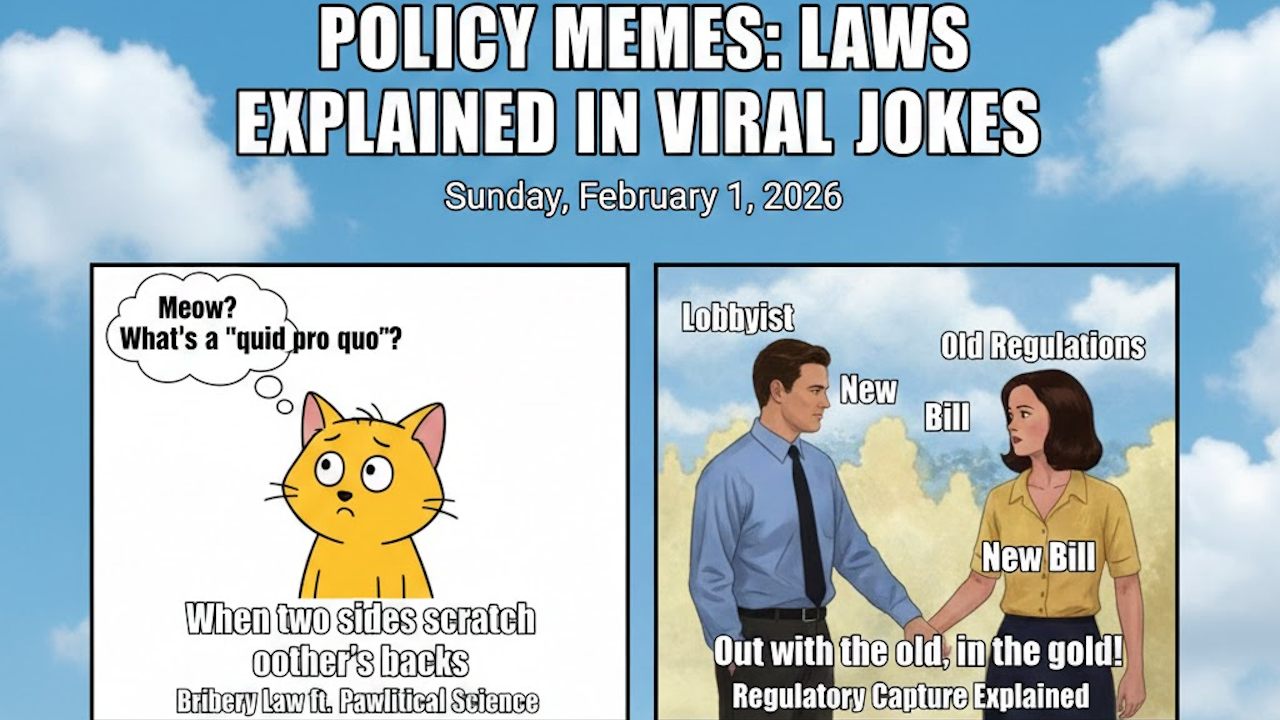
Policy memes have become a major way people discuss laws in the digital age. A short joke paired with an image can travel faster than any official statement. Citizens who never read statutes now meet legal ideas through humor on phones. The meme format reduces complex rules into a few bright lines. This process can educate but it can also distort. The power of the meme lies in speed and emotion rather than detail. Law traditionally depends on careful language, yet online culture rewards surprise and laughter. The meeting of these two styles creates a new form of civic conversation.
Early examples appeared during debates about taxes and health rules. Users placed captions on familiar movie scenes to complain about new bills. A single picture of a tired actor became shorthand for long legislative texts. These jokes often carried more influence than newspaper columns. Young voters learned the names of acts from punch lines rather than textbooks. Scholars at first dismissed the trend as shallow play. Over time researchers noticed that memes guided search traffic toward official sources. Humor served as a doorway to serious reading. The effect surprised many observers in government and showed public curiosity about law details.
Creators use simple tools to translate legal language into everyday speech. A statute about zoning becomes a cartoon about neighbors and dogs. The joke selects one clause and ignores the rest. This choice shapes how audiences judge the entire policy. When the selected clause fits common frustration the meme spreads widely. Officials rarely control this process and often react too late. Some agencies now employ social media teams to answer viral claims. They discover that formal press releases cannot chase quick humor. Courts watch the trend with caution and interest because jokes affect respect for law in daily life too.
Supporters argue that jokes open doors for people who fear legal texts. They say laughter reduces the distance between state and citizen. A tenant may learn rights from a playful image before meeting a lawyer. Memes also allow criticism without long essays. The tradition resembles political cartoons from earlier centuries. Yet the speed today is far greater and the audience is global. A local ordinance can receive comments from other continents within hours. This global reach changes the meaning of local consent. Critics worry about errors and missing context that travel with the joke format across screens each day fast.
Opponents focus on the risk of misinformation. A clever caption can claim that a bill bans ordinary behavior even when it does not. The image may quote lines taken out of order. Viewers share the joke before checking any source. Law depends on precise context and memes reward exaggeration. This tension troubles teachers who try to explain civics. They must correct myths that arrive dressed as comedy. Some propose labels to show when a meme simplifies too much. Platforms debate whether to slow such posts but rules about speech are hard to write without hurting satire and art online space.
Lawmakers themselves now join the game. Some offices publish friendly images to explain new programs. A budget chart becomes a smiling character with simple advice. These efforts seek trust but they also risk looking childish. When officials joke about serious penalties the tone may confuse victims. The boundary between explanation and promotion grows thin. Ethics boards debate how far a public agency should mimic private influencers. Training programs teach staff to write clear captions. They study humor history and visual literacy. The goal is balance between fun and duty. Success remains uncertain in practice many projects fade quickly after launch.
Courts begin to see memes as evidence of public understanding. Judges cite viral jokes to show how citizens read a rule. This practice alarms lawyers who prefer formal surveys. Yet ignoring the online voice seems unrealistic. The meme acts like a noisy poll taken every minute. It reveals anger and hope in raw form. Legislators sometimes adjust wording after watching these reactions. The cycle between joke and amendment becomes surprisingly fast. Researchers collect large archives for study. They compare humor waves with voting records. Findings suggest partial influence on turnout. The method is still young and debated today often loud.
Future policy debates will likely blend statutes with laughter even more. Schools may teach students to read jokes alongside legal notes. The skill will include spotting missing facts and hidden interests. Designers could create formats that link directly to full texts. Such tools might respect humor while protecting accuracy. Democracy has always used stories to explain power. Memes are simply the newest costume for that habit. Whether this costume strengthens law depends on care from both creators and audiences. Citizens will decide the final value. The classroom and the phone must meet. Respect for truth should guide laughter ahead always.