

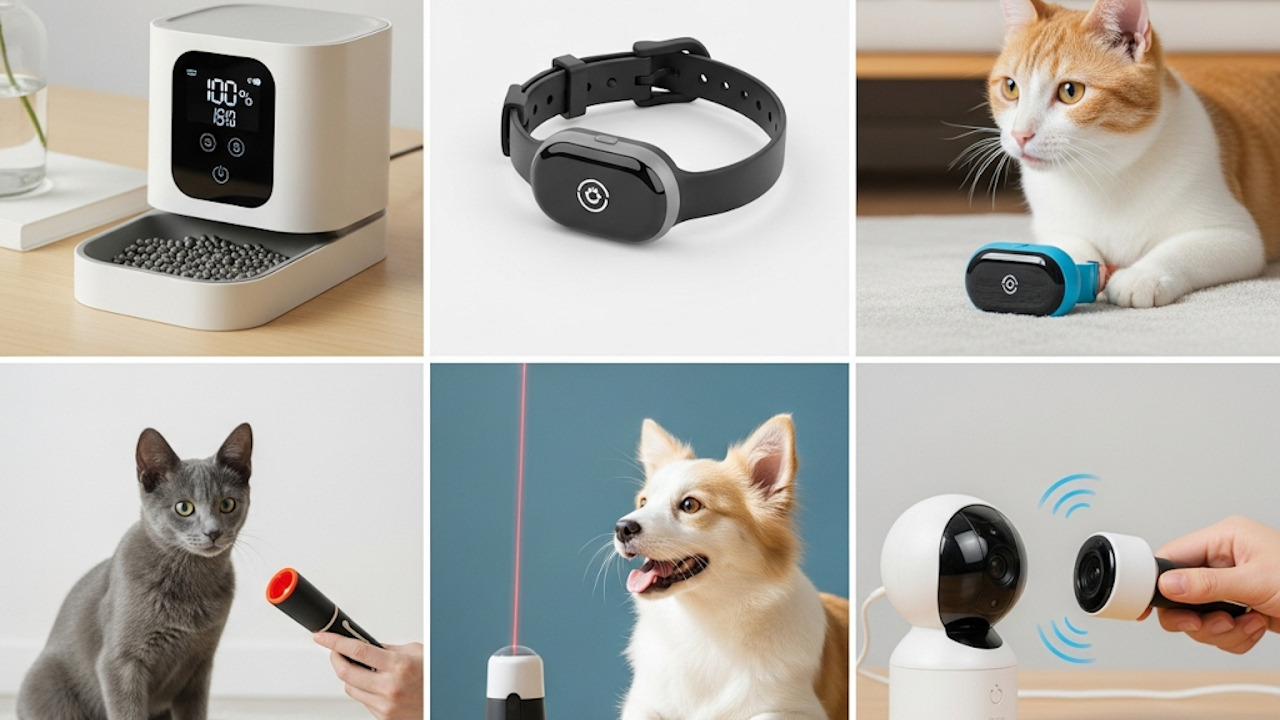
In an era where technology touches nearly every aspect of daily life, it comes as no surprise that pet owners have embraced a new wave of innovations tailored specifically for their dogs, cats, and other companion animals. Pet tech refers to the growing category of smart devices and gadgets designed to improve the health, safety, happiness, and overall well-being of pets while offering convenience and peace of mind to their human caregivers. These tools range from simple automated feeders to sophisticated health monitors that track vital signs in real time. As more people integrate pets into their families, the demand for such technology has surged, creating a market filled with options that address everything from feeding routines to behavioral enrichment.
The appeal of pet tech lies in its ability to bridge the gap when owners cannot be physically present. Busy work schedules, travel, or even short errands can leave pets alone for hours. Gadgets now allow remote interaction, monitoring, and care, reducing stress for both parties. Moreover, these devices often incorporate artificial intelligence and connectivity features that provide actionable insights, such as alerts for unusual activity or early signs of health issues. What began as basic cameras and collars has evolved into a comprehensive ecosystem of interconnected tools by 2026, making pet ownership more informed and responsive than ever before.
One of the most transformative areas in pet tech is remote monitoring through smart cameras. These devices go far beyond traditional security cams by including features tailored to animal behavior. For instance, the Petcube 360 Cam stands out as a versatile option praised in recent reviews for its wide-angle view that captures an entire room without blind spots. Owners can watch their pets in high definition, use two-way audio to speak to them, and even dispense treats to reward good behavior or combat boredom. Many models include night vision and motion alerts that notify users via smartphone apps when a pet becomes active or distressed. Another popular choice is the Furbo 360, which rotates fully to follow movement and includes a treat-tossing function that can be activated remotely or set on a schedule. For those seeking something more dynamic, robot-style cameras like the ENABOT EBO AIR combine mobility with entertainment, projecting laser lights or playing sounds to engage dogs during the day. These cameras not only provide visual reassurance but also help detect patterns, such as excessive pacing that might indicate anxiety.
Location tracking represents another cornerstone of modern pet tech, particularly for adventurous dogs and curious cats that tend to wander. GPS-enabled collars have become lighter, more accurate, and packed with additional sensors. The Tractive GPS series, including models designed specifically for cats like the Cat 6 Mini and larger dogs with the Dog 6 XL, offers real-time location updates, virtual fences, and activity monitoring. If a pet steps outside a predefined safe zone, the owner receives an immediate alert. These collars also track steps, sleep, and even stress indicators through advanced sensors. Similarly, the Fi Series 3 GPS Dog Collar emphasizes long battery life and health metrics, syncing data directly to an app for easy review. For comprehensive wellness tracking, the PetPace Smart Collar monitors internal body temperature, pulse, respiration rates, and posture, sending veterinary-level data that can flag potential problems before they escalate. Such wearables have proven invaluable for multi-pet households or owners in urban areas where escapes can happen quickly.
Feeding and hydration gadgets address one of the most routine yet critical aspects of pet care: consistent nutrition without over- or under-feeding. Smart feeders eliminate the guesswork by dispensing precise portions on schedules set through mobile apps. The Petlibro line, including the Polar Wet Food Feeder and Granary Automatic Pet Feeder, supports both dry and wet food options with features like portion control, voice recordings for meal calls, and camera integration for visual confirmation that the pet has eaten. Battery backups and low-food alerts ensure reliability even during power outages. For wet food specifically, models like the Petlibro Polar keep portions fresh and refrigerated until serving time, reducing spoilage risks. Water fountains have also evolved into smart systems, with options like the Petcube Wireless Smart Fountain or stainless-steel models from Casfuy and PawsPik that maintain constant circulation to encourage drinking. Some include filters, quiet motors to avoid scaring skittish pets, and sensors that monitor intake levels, alerting owners to potential dehydration or urinary issues early on.
Health and wellness monitoring extends beyond basic activity tracking to include advanced diagnostics. Wearable devices now function like fitness trackers for pets, logging calories burned, rest quality, and behavioral changes. The PetPace collar, for example, provides a full suite of biometric data that owners can share with veterinarians for proactive care. Emerging tools incorporate AI to analyze subtle cues, such as changes in posture or vocalizations, that might signal discomfort or illness. In multi-cat homes, specialized feeders with RFID recognition, like the Peanutcat Egg-1, ensure each animal receives the correct meal while preventing food stealing. Litter management has seen significant upgrades as well, with self-cleaning boxes that use sensors to detect usage, scoop waste automatically, and even perform basic stool analysis in advanced models like those from SiiPet, which offer real-time alerts on digestive health and easy data sharing with vets.
Entertainment gadgets keep pets mentally stimulated and physically active, combating the boredom that can lead to destructive behaviors. Interactive toys equipped with lasers, balls, or app-controlled movements engage cats and dogs for extended periods. Some cameras double as play devices by launching treats or activating lights on command. Robot companions, such as the ENABOT models, roam freely and respond to voice cues, providing both supervision and fun. For training enthusiasts, certain collars include gentle vibration or tone reminders that pair with apps for positive reinforcement sessions, helping with commands or curbing excessive barking.
The benefits of adopting pet tech extend to both animals and their owners. Pets gain more consistent care, enriched environments, and earlier interventions for health concerns, which can lead to longer, happier lives. Owners experience reduced anxiety about leaving pets alone, better data for informed decisions, and stronger bonds through remote interactions. Studies and user reports consistently highlight improvements in weight management, activity levels, and overall pet satisfaction when these tools are used thoughtfully.
Of course, selecting the right gadgets requires careful consideration. Cost varies widely, from budget-friendly cameras under one hundred dollars to premium collars with subscriptions for full features. Battery life, app reliability, and compatibility with existing smart home systems matter greatly. Privacy remains a key concern, as cameras collect video data that should be secured with strong passwords and encryption. Not every pet adapts well to new technology; some may ignore treat dispensers or become startled by automated noises, so gradual introduction is advisable. Durability also plays a role, especially for chew-prone dogs that might view collars or toys as playthings rather than tools. Owners should research reviews from sources like CNET and Android Authority, which test devices for real-world performance in 2026.
Looking ahead, the future of pet tech promises even greater integration and intelligence. Artificial intelligence will likely refine behavior prediction, allowing devices to anticipate needs such as extra playtime during stressful periods. Internet of Things ecosystems will connect feeders, cameras, and wearables into seamless platforms where one app controls everything. Innovations on the horizon include augmented reality training apps, blockchain-secured health records for easy vet sharing, and eco-friendly designs using sustainable materials. Some experts anticipate hybrid devices that combine monitoring with environmental controls, such as automatic climate adjustments in pet spaces.
In conclusion, pet tech has moved from novelty to necessity for many modern households. These gadgets empower owners to provide attentive care even from afar, fostering healthier and more engaged relationships with furry friends. Whether starting with a basic camera or building a full smart pet ecosystem, the options available in 2026 cater to diverse needs and budgets. By thoughtfully incorporating these tools, pet parents can ensure their companions thrive in an increasingly connected world, blending technology with the timeless joy of animal companionship. As the industry continues to innovate, the bond between humans and pets grows stronger, one gadget at a time.