

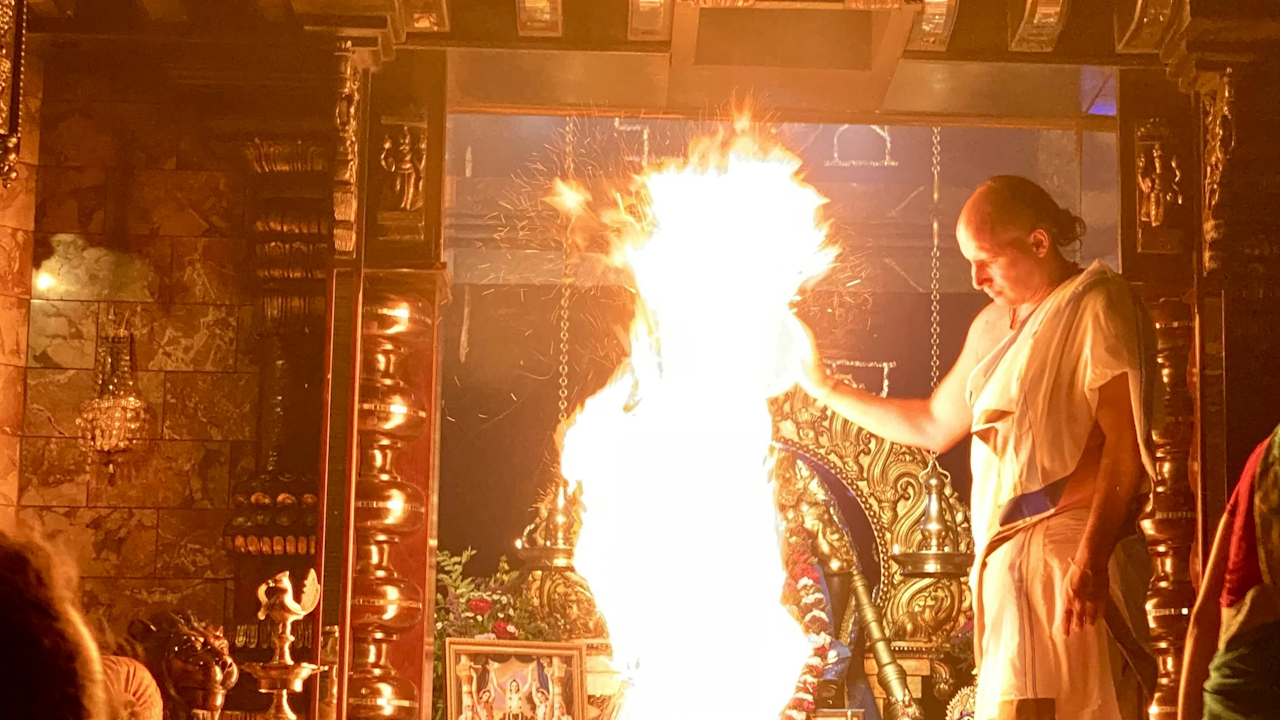
In an era defined by rapid technological advancement, digital connectivity, and relentless pace, many people are turning back to ancient practices for grounding, meaning, and healing. Rituals that once shaped daily life in pre-industrial societies, from seasonal celebrations to personal rites of passage, are experiencing a noticeable revival. This resurgence is not mere nostalgia or fringe spirituality. It reflects a deeper human need for structure, community, and connection to something larger than the self amid modern alienation. From mindfulness meditation rooted in Buddhist traditions to herbal remedies and solstice gatherings, old rituals are being adapted and embraced by diverse populations worldwide. This article explores the phenomenon, its drivers, notable examples, underlying psychology, cultural significance, and potential future trajectory.
The appeal of these revived rituals stems from a widespread sense of disconnection in contemporary life. Urbanization, social media, and the gig economy have fragmented traditional community bonds. Many individuals report feelings of burnout, anxiety, and purposelessness despite material abundance in developed nations. Ancient rituals often provide a counterbalance by offering repeatable actions that foster presence, reflection, and a sense of continuity with ancestors. Unlike fleeting trends, rituals carry accumulated wisdom across generations, addressing timeless aspects of the human condition such as grief, transition, joy, and uncertainty.
Historical rituals were deeply embedded in agrarian and tribal societies. They marked the rhythms of nature, life cycles, and social order. For instance, harvest festivals ensured communal gratitude and resource sharing. Initiation ceremonies prepared young people for adulthood. Funerary rites helped process loss collectively. As societies industrialized, many of these practices faded or were relegated to religious institutions and folklore. Yet today, secular and spiritual seekers alike are reclaiming them, often blending them with evidence-based wellness approaches or modern psychology.
One major driver is the wellness industry, which has grown into a multi-billion-dollar sector. Practices once dismissed as superstition are now marketed as self-care tools. Scientific studies lend credibility to some rituals. Research on meditation, for example, shows measurable reductions in stress hormones and improvements in brain plasticity. Similarly, practices involving nature exposure align with emerging fields like ecopsychology, which examines the mental health benefits of reconnecting with the natural world.
Consider the resurgence of mindfulness and meditation. Originating in ancient Indian and Buddhist traditions dating back over 2,500 years, these practices involve focused attention, breathwork, and non-judgmental awareness. In the modern West, they gained traction through figures like Jon Kabat-Zinn, who developed Mindfulness-Based Stress Reduction (MBSR) programs in the late 1970s. Today, apps like Headspace and Calm deliver guided sessions to millions, while corporate wellness programs incorporate them to combat employee burnout. What began as a monastic discipline is now a mainstream tool for enhancing focus and emotional regulation. Participants report that the ritualistic repetition of sitting in silence creates a sanctuary from digital distractions, echoing the contemplative retreats of old.
Yoga, another ancient ritual system from India, has similarly exploded in popularity. Traditional Hatha Yoga combined physical postures (asanas), breathing techniques (pranayama), and meditation to prepare the body and mind for spiritual insight. In contemporary settings, yoga studios dot urban landscapes, offering everything from gentle restorative classes to vigorous power sessions. Beyond fitness, many practitioners engage with its philosophical roots, including ethical guidelines like the Yamas and Niyamas, which promote non-violence, truthfulness, and self-discipline. Studies published in journals such as the Journal of Alternative and Complementary Medicine highlight benefits for chronic pain, anxiety disorders, and even immune function. The ritual of rolling out a mat, moving through sequences, and ending in Savasana provides a structured pause that mirrors ancient temple practices adapted for busy schedules.
Herbalism and plant-based rituals represent another vibrant comeback. Indigenous cultures worldwide maintained sophisticated knowledge of medicinal plants for healing, protection, and ceremony. European traditions included herbal lore tied to folklore and witchcraft, while Native American and African practices emphasized sacred plant medicines. In the modern context, interest has surged with the rise of natural health movements. People forage for wild herbs, brew ancestral teas, or participate in cacao ceremonies inspired by Mesoamerican traditions. Adaptogens like ashwagandha and rhodiola, used for centuries in Ayurvedic and Siberian folk medicine, are now staples in supplements. This revival intersects with sustainability concerns, as enthusiasts seek to reconnect with local ecosystems rather than rely solely on pharmaceutical solutions. However, experts caution against self-medication without proper knowledge, highlighting the need to respect cultural origins and ecological limits.
Seasonal and celestial rituals are gaining adherents as well. Solstices and equinoxes, once central to pagan and indigenous calendars, now draw crowds to stone circles, beaches, and parks for bonfires, drumming circles, and intention-setting ceremonies. In the Northern Hemisphere, the winter solstice prompts gatherings focused on light, reflection, and renewal, countering the holiday season’s commercial frenzy. Full moon rituals, involving journaling, releasing ceremonies, or group meditations, tap into lunar cycles that influenced ancient agricultural and tidal observances. These events foster community in an individualistic age, providing spaces where strangers bond over shared symbolic acts. Urban adaptations include virtual circles via video platforms, allowing global participation while preserving the ritual core.
Ancestral veneration practices are resurfacing in surprising ways. In many Asian, African, and Latin American cultures, honoring forebears through altars, offerings, and storytelling formed a core social and spiritual duty. Diasporic communities have carried these forward, but they are now attracting broader audiences seeking roots in rootless societies. Genealogy enthusiasts combine DNA testing with family rituals, while some psychologists recommend ancestral healing work to address intergenerational trauma. Creating home altars with photographs, candles, and mementos serves as a daily ritual of remembrance, promoting gratitude and perspective on one’s place in a longer lineage.
Rites of passage, often absent in secular modern life, are being reinvented. Traditional societies marked births, coming-of-age, marriages, and deaths with elaborate ceremonies that provided psychological scaffolding. Today, vision quests inspired by Native traditions, modern men’s or women’s circles, and personalized wedding rituals fill this gap. Midlife retreats and elderhood ceremonies help navigate transitions that might otherwise feel isolating. These practices emphasize transformation through symbolic action, such as crossing thresholds or releasing old identities, drawing from anthropological insights into their efficacy.
The psychological mechanisms behind ritual efficacy are increasingly understood. Rituals create predictability and control in uncertain times, reducing anxiety according to research from behavioral scientists. They engage the brain’s reward systems through repetition and symbolism, fostering neuroplastic changes. Group rituals enhance social cohesion via synchronized movements or chanting, releasing oxytocin and building trust. Even solitary practices like gratitude journaling, rooted in ancient Stoic and religious traditions, correlate with improved well-being metrics in positive psychology studies.
Culturally, this revival raises important questions about appropriation and authenticity. Critics argue that decontextualized rituals, stripped of their original spiritual or communal frameworks, risk becoming commodified products. A yoga class in a New York studio may bear little resemblance to its temple origins, potentially overlooking issues of cultural ownership. Advocates counter that adaptation is how traditions have always evolved, citing historical examples of cross-cultural exchange along trade routes. Responsible revival involves education, consent from source communities where possible, and a focus on personal meaning rather than exoticism.
Challenges persist. Skeptics view the trend as pseudoscience or escapism, pointing to potential harms like delayed medical treatment from overreliance on herbalism or cult-like dynamics in some spiritual groups. Accessibility remains an issue, as many workshops and retreats cater to privileged demographics. Yet grassroots movements, online resources, and public festivals are broadening participation across socioeconomic lines.
Looking ahead, the integration of old rituals into modern life may deepen as artificial intelligence and virtual realities accentuate the need for embodied, tangible experiences. Hybrid approaches could emerge, such as apps that guide users through seasonal rituals synced with local weather data or community platforms for sharing ancestral knowledge. Educational institutions might incorporate ritual studies into curricula on psychology and anthropology. As climate awareness grows, earth-based rituals emphasizing stewardship could gain further prominence.
In conclusion, the comeback of old rituals signals a profound recalibration in human priorities. They offer tools for navigating complexity without rejecting progress. By reclaiming practices that honor cycles, connection, and contemplation, people are forging resilient identities suited to the 21st century. This movement does not promise easy answers but invites ongoing engagement with humanity’s rich heritage. Whether through a quiet morning meditation or a vibrant communal festival, these revived rituals remind us that some wisdom endures across time, adaptable yet timeless in its capacity to nourish the spirit. As more individuals experiment and integrate these elements, society may witness a subtle but meaningful shift toward greater balance, presence, and collective well-being.