

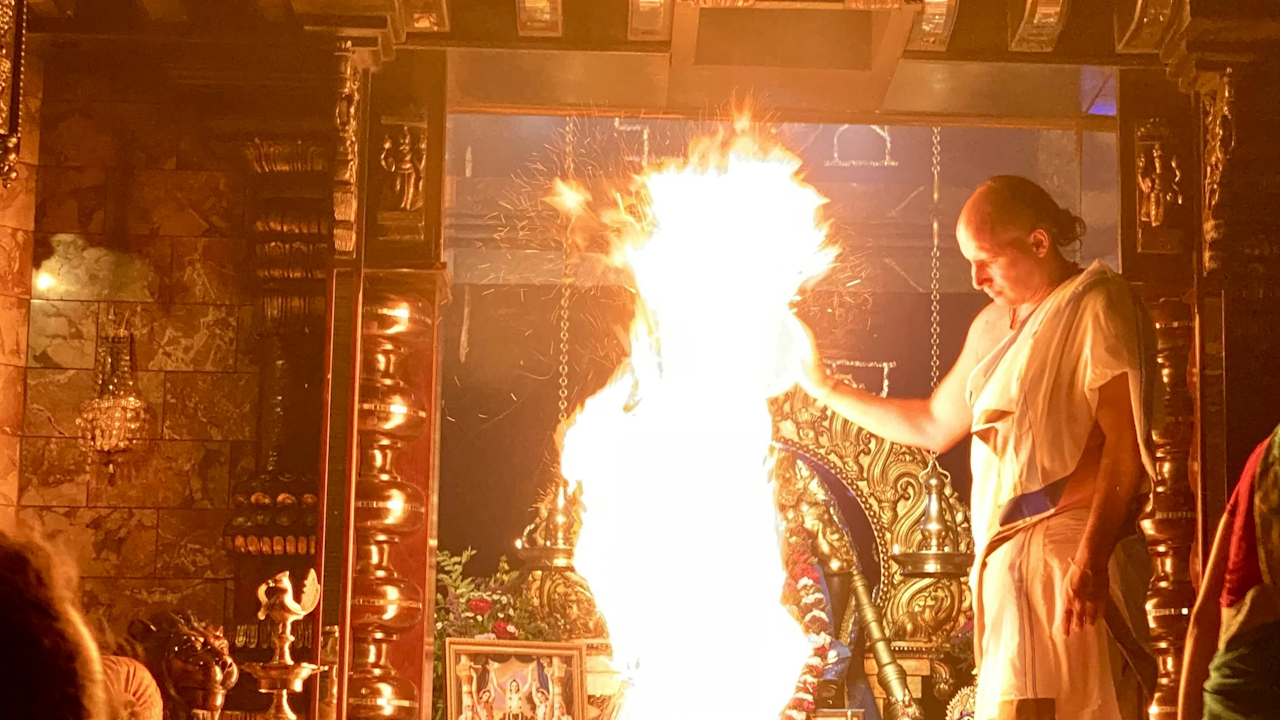
Old rituals are finding their way back into contemporary life, and their revival hints at a cultural moment shaped by a mix of nostalgia, uncertainty, and a desire for deeper meaning. Modern society often moves at a pace that leaves little room for reflection, and people are turning toward older practices that offer grounding, intention, and continuity. These renewed interests cover a wide spectrum, from spiritual ceremonies to domestic habits to seasonal gatherings. Although the world is filled with innovation, many individuals are reintroducing traditions that encourage slower rhythms and richer connections.
One of the most visible areas of revival is in wellness culture. Practices once held by small communities or practiced quietly by families are now adopted by a broader population. Meditation styles influenced by ancient traditions have become central to stress reduction. Breathwork sessions that borrow from old yogic teachings are popular in fitness studios and community centers. Herbalism, which was once passed down through generations as family knowledge, has gained a new audience that values natural remedies and a closer relationship with plants. While not everyone approaches these practices from a spiritual standpoint, the desire to engage with something that feels time tested is evident.
Rituals involving craft and home life have also resurfaced. Bread baking, knitting, quilting, soap making, and candle making have become hobbies for people who want to create rather than simply consume. These activities were once an essential part of daily survival, but now they serve a different purpose. They remind participants that they can shape their own environment with their hands. The rhythm of these tasks encourages patience, focus, and satisfaction. Many people say that these crafts offer a sense of calm that feels almost ceremonial, as if each loaf or scarf carries a quiet story. In a world filled with automated convenience, choosing to return to old techniques can feel empowering.
Communal rituals are experiencing change as well. People are reviving seasonal festivals in both traditional and reimagined forms. Harvest celebrations, solstice gatherings, and cultural holidays are being honored with new enthusiasm. Some join these events to connect with their ancestry, while others simply enjoy gathering with friends and neighbors for something that feels rooted in history. The details may look different today, often shaped by inclusive values or modern taste, but the intent remains similar. These gatherings mark the passage of time and remind participants that they belong to a larger continuum.
Old spiritual rituals, too, are making their way back into day to day life, although often adapted to contemporary sensibilities. Many individuals who do not belong to organized religious groups are exploring small personal ceremonies. Lighting a candle at the start of the day, keeping a gratitude journal, or setting intentions during the new moon draws on ancient frameworks while remaining flexible enough to suit modern routines. These small acts offer structure and symbolic weight. In a period when many people feel detached from institutions, private rituals provide a sense of agency and quiet renewal.
An interesting aspect of this cultural shift is how technology helps fuel the return of old practices. Online platforms make it easy to learn forgotten skills or connect with communities that share similar interests. Tutorials for traditional cooking, woodworking, or folk dance are available at any moment. Social networks help people trade knowledge that once faded when older generations passed. Instead of replacing tradition, technology often helps preserve and spread it. This blend of old and new surprises some observers, yet it demonstrates how flexible humanity can be when shaping its cultural landscape.
Another factor behind the revival is the growing concern about environmental impact. Many older rituals evolved from a necessity to use resources wisely. People baked bread at home to avoid waste, repaired clothes to extend their lifespan, and held seasonal celebrations that aligned with agricultural cycles. Today, ecological awareness encourages a return to these habits. Practicing them feels both meaningful and responsible. For example, gardening with heirloom seeds, celebrating seasonal produce, or tending to bees connects individuals to natural cycles and encourages stewardship.
The social climate also plays a role in the comeback. Periods of instability often inspire people to reach for practices that feel steady and familiar. Even if someone did not grow up with certain traditions, adopting them can provide a sense of order. Older rituals offer a rhythm that contrasts with the unpredictability of modern events. They help create moments that are predictable, comforting, and intentional.
At the same time, the revival of old rituals is not without challenges. There is ongoing discussion about cultural sensitivity, especially when traditions come from communities with deep historical ties. Many people are now more careful about understanding the origins of rituals they adopt. This awareness encourages respectful engagement rather than casual borrowing. It also opens the door to learning from the communities that have preserved these traditions across generations.
Ultimately, the return of old rituals suggests that progress does not always mean constant reinvention. Sometimes it means rediscovering what already worked. These renewed practices offer a counterbalance to a fast-paced world. They invite people to slow down, create shared moments, nurture their environment, and maintain a connection to the past. They do not signal a retreat from modern life. Instead, they represent a desire to weave old wisdom into new ways of living.
As long as people seek meaning and belonging, old rituals will continue to find space in contemporary culture. Their revival reflects the enduring human need for continuity, creativity, and connection. In bringing them back, individuals are not simply repeating history. They are shaping a future that honors the past while responding to the needs of the present.