

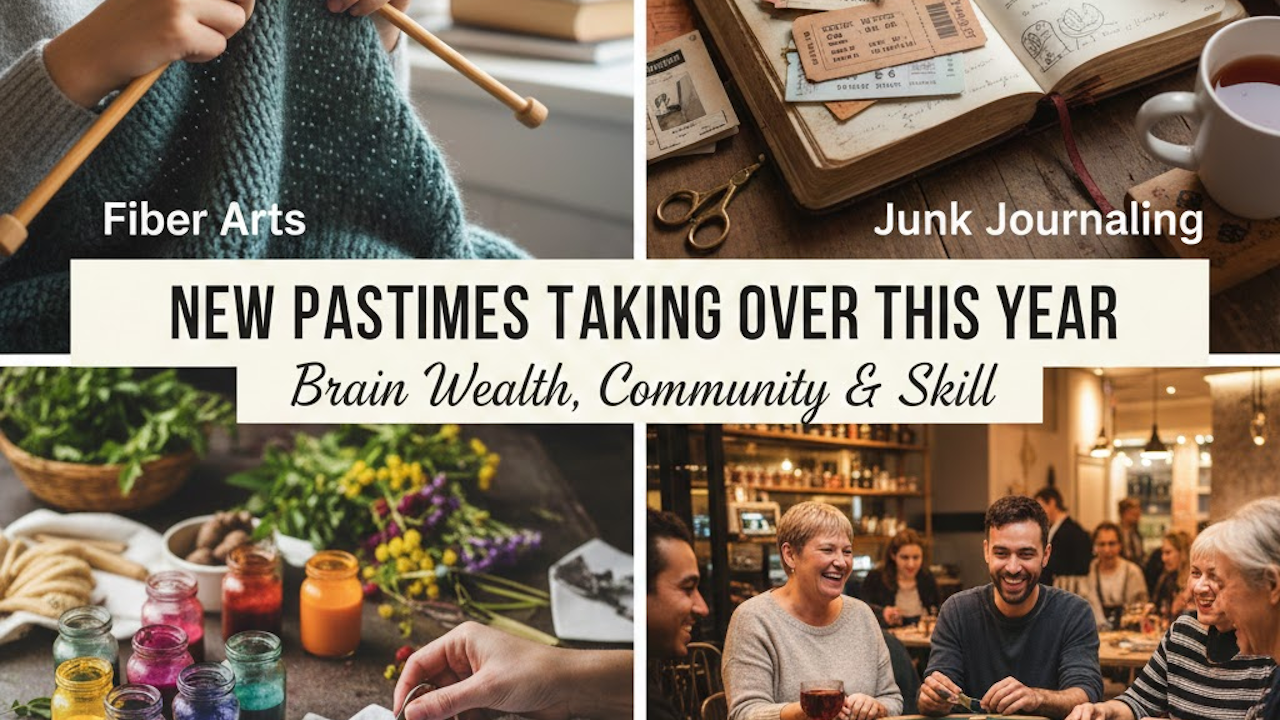
In 2026 the world feels more connected than ever through technology, yet many people report a growing sense of disconnection from their own lives. Endless scrolling, constant notifications, and digital overload have left millions craving something tangible. Something real. The result is a powerful cultural shift toward new pastimes that emphasize presence, creativity, and physical engagement. These activities are not entirely novel inventions. Many draw from older traditions. What makes them fresh is the scale of their resurgence and the way modern accessibility through kits, online communities, and social sharing has turned them into widespread movements.
This year the trend has accelerated dramatically. People are choosing hobbies that produce something you can hold, wear, display, or share in person. They want processes that slow the mind rather than accelerate it. From quiet evenings stitching patterns to afternoons tending small gardens or gathering around tables for strategic games, these pastimes are delivering calm, accomplishment, and genuine connection. They represent a quiet rebellion against screen fatigue and a return to the satisfying rhythm of hands at work.
The numbers tell part of the story. Searches for certain analog crafts have spiked. Communities on platforms like TikTok and Reddit overflow with progress updates. Local classes fill up quickly. Retailers report strong sales in starter kits. More importantly, participants describe real changes in their well-being. Reduced anxiety. Better focus. A renewed sense of creativity. These are the new pastimes taking over in 2026, and they show no signs of slowing.
The Analog Needlecraft Boom: Needlepoint, Embroidery, and Cross-Stitch
One of the clearest standouts this year is the explosion of interest in needlepoint and related textile crafts. What was once associated with previous generations has found enthusiastic new audiences among younger adults seeking screen-free creativity. Needlepoint stands out particularly. It combines structure with artistic expression. Beginners can follow printed patterns on canvas while more experienced stitchers design their own. The repetitive motion of pulling thread through mesh creates a meditative state similar to knitting yet with quicker visible progress on small projects.
Embroidery and cross-stitch have grown alongside it. These crafts allow for intricate designs ranging from floral motifs to pop culture references. Modern kits include everything needed to start, from hoops and floss to pre-printed fabrics. Many patterns now feature contemporary themes that appeal to a broad demographic. The portability of these projects adds to their appeal. A small embroidery hoop fits easily into a bag for work breaks or travel.
Why the surge now? Participants cite the desire to create something lasting in a world of fleeting digital content. Completing a piece provides a concrete sense of achievement that likes or comments cannot match. The slow-stitch movement emphasizes mindfulness. Each stitch requires attention to the present moment. Communities have formed around sharing works in progress. Hashtags dedicated to these crafts host thousands of posts where people celebrate finished projects and troubleshoot challenges together.
Benefits extend beyond the finished item. The focused hand-eye coordination can improve concentration over time. The rhythmic nature offers stress relief comparable to other repetitive activities. For many, these crafts fill evenings that previously disappeared into scrolling. They also foster patience. A detailed piece might take weeks or months, teaching the value of steady effort.
Getting started requires little investment. Basic kits cost under twenty dollars and include instructions suitable for complete beginners. Online tutorials demonstrate fundamental stitches. Local craft stores often host introductory workshops. Once comfortable, enthusiasts branch into custom designs or larger projects such as tote bags, wall hangings, or clothing embellishments. The key is consistency rather than perfection. Many describe the first few sessions as awkward before the motions become natural and enjoyable.
Diamond Painting and Paint by Numbers: Meditative Masterpieces for Everyone
Another craft category dominating leisure time involves placing tiny resin diamonds on coded canvases or filling numbered sections with paint. Diamond painting has become especially popular for its sparkling, textured finished results that catch the light beautifully. The process is straightforward yet absorbing. Each small facet adheres to the canvas according to a simple legend. The repetitive placement induces a flow state where time passes unnoticed.
Paint by numbers offers a similar low-barrier entry to artistic creation. Modern versions include high-quality canvases with detailed sections and vibrant colors. Some allow customization from personal photos, turning memories into lasting artwork. Both activities produce impressive outcomes without requiring prior artistic skill. This accessibility explains much of their broad appeal across age groups.
These hobbies thrive on the combination of structure and creativity. The numbered or coded guidance removes decision fatigue while still allowing personal touches in color choices or embellishments. Online communities share tips for organizing diamonds, framing finished pieces, and tackling large projects section by section. The meditative quality stands out. Many practitioners report entering a relaxed yet focused mental space during sessions. The tactile sensation of placing each piece or brushstroke adds a satisfying physical dimension absent from digital alternatives.
Practical advantages include minimal mess compared to traditional painting and the ability to pause and resume easily. Kits range from small bookmarks to large wall art. Prices start affordably, making them approachable experiments. In 2026 these activities have moved beyond niche status into mainstream recommendations for stress management and creative expression. They pair well with podcasts or quiet music, turning solitary evenings into productive and calming rituals.
Pottery and Air-Dry Clay: The Tactile Joy of Shaping
Working with clay represents one of the most physically satisfying trends of the year. Wheel-thrown pottery classes have seen increased enrollment, while at-home air-dry clay projects allow creation without specialized equipment. The material responds directly to touch. Fingers press, smooth, and shape in real time. This immediate feedback creates a powerful sense of agency and connection to the creative process.
Air-dry clay proves especially accessible for beginners. Projects such as small planters, jewelry dishes, or decorative objects require only basic tools and dry naturally. Many kits include paints or glazes for finishing. For those ready to advance, local studios offer wheel sessions and firing services. The three-dimensional nature of the work distinguishes it from flat crafts. Completed pieces serve functional or decorative purposes around the home.
The appeal in 2026 ties directly to desires for tangible results and sensory engagement. Clay feels cool and responsive. The process involves trial and error that builds resilience and problem-solving skills. Imperfections often add character rather than detract from value. Social media showcases both polished studio work and charmingly rustic home attempts, normalizing the learning curve.
Mental health benefits receive frequent mention. The focus required to center clay on a wheel or smooth a surface quiets mental chatter. The physicality provides an outlet for energy. Many describe a sense of grounding that carries into other areas of life. Group classes add a social layer where participants encourage one another and share techniques.
Starting points abound. Air-dry kits begin around fifteen dollars. Community centers and craft stores list beginner workshops regularly. Online resources demonstrate basic hand-building methods such as pinch pots or coil construction. The most important step is simply trying. Clay forgives mistakes more readily than many materials, and each attempt teaches something new.
Gardening and Grow Kits: Cultivating Patience and Green Spaces
Outdoor and indoor gardening has expanded significantly as a pastime this year. From container gardens on balconies to full vegetable plots, people are embracing the slow satisfaction of nurturing living things. Grow kits simplify entry with pre-measured seeds, soil, and instructions for herbs, flowers, or vegetables. These compact systems fit on windowsills or countertops, bringing nature indoors even in urban settings.
Thematic gardens represent a creative twist. Some focus on pollinator-friendly plants. Others emphasize culinary herbs or sensory experiences with fragrant and textured varieties. Birdwatching often pairs naturally with gardening. Observers note visiting species attracted to new plantings, adding another layer of engagement with the natural world.
Why this surge? Gardening delivers visible progress over weeks and seasons. Seeds sprout. Plants grow. Harvests reward consistent care. It also encourages time outdoors or near windows, countering indoor sedentary habits. The physical tasks of watering, weeding, and pruning provide gentle exercise and connection to natural cycles.
Community aspects have strengthened. Neighborhood groups share seedlings and advice. Online forums offer troubleshooting for common issues like pests or soil quality. The practice builds patience. Results cannot be rushed. This temporal aspect proves refreshing in an era of instant everything.
Beginners benefit from low-commitment options. Many grow kits cost under twenty dollars and yield quick successes with hardy plants like basil or marigolds. Larger ambitions can start with a few containers and expand. Local extension services or garden centers provide region-specific guidance. The hobby scales beautifully from tiny apartment experiments to expansive backyard transformations.
Sourdough Baking and Home Culinary Exploration
Baking, particularly sourdough, continues its strong hold as a therapeutic and rewarding pursuit. Maintaining a starter requires regular attention that becomes a comforting routine. The process of mixing, kneading, and shaping dough engages multiple senses. The aroma of baking bread fills the home with tangible comfort.
Beyond sourdough, broader home baking and cooking experiments thrive. People explore fermentation projects, pastry techniques, or seasonal preserves. Kits and quality ingredients are widely available. Online communities share recipes, troubleshooting, and beautiful finished loaves or cakes. The emphasis often lies on the process as much as the product. Kneading dough by hand offers a rhythmic, almost meditative experience.
This pastime addresses desires for self-sufficiency and creativity in the kitchen. Homemade items carry personal meaning that store-bought alternatives lack. Sharing baked goods strengthens social bonds with neighbors, friends, or family. The skill development feels meaningful. Each loaf improves with practice.
Accessibility has improved through detailed tutorials and forgiving recipes designed for beginners. Many start with simple no-knead methods before advancing. The hobby pairs well with other slow activities. A baking session might follow a morning of gardening or precede an evening of stitching. It transforms ordinary time into something productive and nourishing.
Mahjong and Social Strategy Games: Connection Around the Table
On the social front, mahjong has emerged as a major phenomenon in 2026. The tile-based game, with roots in Chinese tradition, now attracts diverse players through clubs, pop-up events, and home gatherings. Searches for mahjong-related activities have risen dramatically. New studios and classes cater to beginners while experienced players enjoy competitive and casual play alike.
The game combines strategy, memory, and luck in sessions that last from thirty minutes to several hours. Players build hands according to evolving rulesets, fostering both individual focus and group interaction. The tactile element of handling physical tiles enhances the experience compared to digital versions. Conversation flows naturally between rounds.
This resurgence reflects broader yearnings for in-person connection. Mahjong creates a structured yet relaxed environment for socializing without the pressure of constant talking. It appeals across generations. Younger players often discover it through friends or social media, while longtime enthusiasts welcome the fresh energy.
Other tabletop and strategy games see parallel growth. The emphasis remains on shared presence rather than competition alone. Hosting a game night or joining a local group provides regular social touchpoints that digital interactions cannot replicate. The hobby encourages planning, anticipation, and the simple joy of gathering.
Starting involves finding a welcoming group or learning through beginner-friendly sets and apps that teach rules gradually. Many communities offer free or low-cost introductory sessions. The learning curve rewards persistence, and the social rewards appear quickly.
Birdwatching and Nature Observation: Noticing the World Anew
Birdwatching has gained dedicated followers seeking mindful engagement with the outdoors. Binoculars and basic field guides open the door to identifying species in parks, backyards, or during travel. The activity combines gentle physical movement with opportunities for stillness and observation.
Modern twists include photography attachments for binoculars and apps that aid identification through sound or images. Yet the core remains analog: patient watching and listening. Practitioners describe heightened awareness of seasons, weather, and local ecosystems. A simple walk transforms into an adventure of discovery.
This pastime supports mental clarity and appreciation for biodiversity. It requires no special athletic ability and suits various mobility levels. Communities share sightings and tips, building knowledge collectively. For many in 2026 it serves as an antidote to hurried urban life, offering moments of wonder in ordinary settings.
Entry costs remain low. Decent binoculars and a regional guidebook suffice for most. Local Audubon societies or nature centers host walks and workshops. The hobby grows with the observer. Initial identifications lead to deeper interest in behavior, migration, and conservation.
Why These Pastimes Endure and Expand
Several factors explain why these activities have taken hold so strongly this year. Digital fatigue plays a central role. People recognize the limits of constant connectivity and actively seek balance. Tangible results provide satisfaction that virtual achievements often lack. Kits and tutorials lower barriers dramatically, allowing quick entry without intimidation.
Community support amplifies momentum. Progress sharing on social platforms inspires others while in-person groups build accountability and friendship. The hobbies also align with wellness priorities. Many promote mindfulness, gentle movement, creativity, or social connection. All qualities associated with improved mood and resilience.
Accessibility across ages and experience levels broadens appeal. A retiree and a college student can enjoy the same diamond painting kit or mahjong table with equal enthusiasm. This inclusivity strengthens cultural penetration.
Practical considerations matter too. Most require modest space and investment. Many adapt to different living situations, from apartments to houses with yards. The seasonal nature of some, like gardening, provides natural variety throughout the year.
Getting Started and Building Momentum
Anyone curious can begin today with minimal preparation. Choose one activity that sparks genuine interest rather than obligation. Acquire a basic kit or set of supplies. Dedicate a small, consistent block of time each week. Document progress if desired, but avoid turning it into another performance metric.
Experimentation helps. Try a few different pastimes before settling. Many people combine activities. A morning garden check might precede an evening stitching session. Social options like mahjong or group classes add variety to solo creative work.
Local resources accelerate learning. Craft stores, community centers, libraries, and parks departments frequently offer classes or clubs. Online forums provide round-the-clock support and inspiration. The most successful participants treat these pastimes as enjoyable experiments rather than chores to master perfectly.
Looking Ahead
These new pastimes taking over in 2026 reflect deeper shifts in how people want to spend their time. They prioritize presence over productivity, connection over consumption, and creation over consumption of content. The hands-on quality reminds participants of their own capacity to shape their environment and experiences.
As the year progresses, expect continued growth in these areas and natural evolutions. New patterns, techniques, and community formats will emerge. The core appeal will likely remain: the quiet satisfaction of doing something real with one’s own hands and mind.
For those feeling the pull of digital overwhelm or simply seeking fresh sources of joy, these activities offer welcoming entry points. A needle and thread, a set of diamonds, a lump of clay, a packet of seeds, a loaf of dough, a pair of binoculars, or a table of tiles can open doors to calmer, more creative, and more connected ways of living. The revolution is already underway. It happens one stitch, one diamond, one plant, and one gathering at a time.