

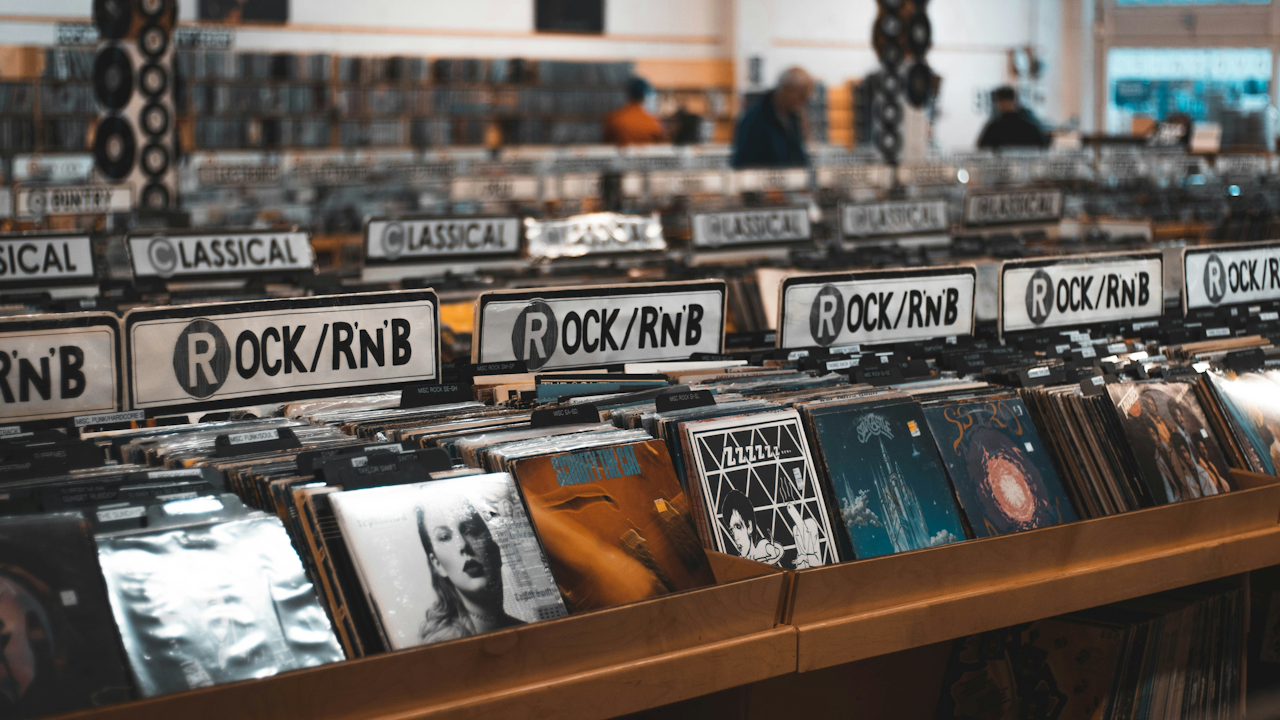
Music surrounds us in countless forms, from chart-topping pop hits to ancient folk traditions passed down through generations. Yet beyond the mainstream lie hidden worlds of sound that challenge every assumption about what music can be. These obscure genres emerge from experimental artists, niche subcultures, online communities, and distant cultural practices. They often blend unexpected influences or push sonic boundaries to extremes of minimalism or chaos. Many remain unknown to casual listeners because they thrive in small online forums, specialized festivals, or remote regions rather than radio playlists or stadium stages. Exploring them reveals how creative expression can take wildly inventive shapes. This article uncovers more than a dozen such genres, delving into their origins, defining traits, key figures, and the reasons they stay under the radar. Prepare to encounter sounds that redefine listening itself.
Lowercase stands as one of the most minimalist approaches to ambient music ever conceived. It treats sound with extreme restraint, amplifying tiny everyday noises until they fill the auditory space in subtle, hypnotic ways. The genre earned its name from American sound artist Steven Roden, who coined the term around 2001 after releasing his album Forms of Paper. In that work, Roden recorded the simple act of handling different types of paper, then magnified those micro-sounds through digital processing, stretching, looping, and layering them into mesmerizing textures. Lowercase pieces often capture the rustle of leaves, the faint hum of insects, or the creak of floorboards, rendered audible through contact microphones and careful amplification. Unlike louder ambient forms that demand attention, this style whispers and invites deep focus. It feels almost meditative, turning the ordinary into something profound. Roden himself has performed using objects like taped light bulbs to produce bell-like tones. Though it attracts a dedicated following among experimental listeners and sound designers, lowercase remains obscure because it offers no beats, melodies, or hooks to grab mainstream attention. Its appeal lies in patience and the discovery of hidden sonic beauty in silence.
Glitch hop merges the raw storytelling of hip-hop with the digital imperfections of glitch electronics. Artists intentionally introduce errors such as bit crushing, chopped samples, beat repeats, and distorted loops into hip-hop beats, creating a fractured yet rhythmic experience. The style traces its roots to producers like Push Button Objects in the early 2000s, who layered glitch techniques over traditional hip-hop foundations. Over time, it evolved into psychedelic fusions that incorporate intelligent dance music elements, drawing in acts such as Prefuse 73, Flying Lotus, The Glitch Mob, and GRiZ. Tracks pulse with stuttering rhythms and warped textures that feel both futuristic and broken. Glitch hop often evokes a sense of digital decay or playful malfunction, making it ideal for underground electronic scenes. It stays lesser-known outside experimental hip-hop circles because its abrasive, unpredictable nature clashes with polished commercial production standards. Listeners who seek it out discover a genre that celebrates imperfection as artistic fuel.
Folktronica fuses the organic warmth of folk and acoustic traditions with the synthetic precision of electronic music. It pairs traditional instruments like guitars, fiddles, or harps with drum machines, synthesizers, and digital processing to create hybrid soundscapes that feel both rooted in heritage and forward-looking. The English group Ultramarine helped shape the form with their 1991 album Every Man and Woman Is a Star, which became a blueprint for later artists. Subsequent acts such as Bibio, Boards of Canada, Alt-J, Animal Collective, The Books, and Caribou expanded the palette, blending psych-folk atmospheres with electronic rhythms. Folktronica tracks might feature looping banjo lines over glitchy beats or ethereal vocals floating atop ambient pads. The genre appeals to fans of both indie folk and electronic experimentation, yet it remains niche because it defies easy categorization. Radio programmers rarely slot it neatly into folk or dance playlists, leaving it to thrive in festival lineups and online discovery platforms.
Black MIDI pushes musical complexity to absurd, almost impossible limits. Composers create MIDI files packed with thousands, millions, or even billions of notes played at breakneck speeds, resulting in visual scores that appear as solid black blocks when printed. The genre originated in 2009 when Japanese creator Shirasagi Yukki, known online as Kuro Yuki Gohan, uploaded the first black MIDI track to Nico Nico Douga. It remixed a fast-paced piece from the Touhou Project video game series, sparking a YouTube community dedicated to ever-more-extreme arrangements. Modern examples feature dense layers of notes that produce chaotic yet strangely melodic torrents of sound, often covering video game themes or popular songs. Performances exist mainly as digital animations because no human pianist could execute them live. Black MIDI attracts a passionate online following for its technical spectacle and maximalist energy, but it stays obscure to the wider public since it prioritizes visual and computational extremes over traditional musical accessibility.
Vaporwave emerged in the early 2010s as both a musical and visual aesthetic that satirizes consumer culture through nostalgia-drenched electronics. Artists slow down, chop, and screw samples from 1980s and 1990s smooth jazz, elevator music, R&B, and lounge tracks, layering them with reverb and dreamy synths to evoke a hazy, ironic paradise. Daniel Lopatin, under the alias Oneohtrix Point Never, laid groundwork with his 2010 album Eccojams Vol. 1, while James Ferraro’s 2011 release Far Side Virtual further defined the sound. Vektroid, performing as Macintosh Plus, contributed landmark tracks that paired fragmented audio with retro computer graphics, pastel colors, and corporate imagery. Vaporwave videos often feature looping 1990s internet artifacts, Greek statues, and checkerboard floors. The genre comments wryly on capitalism and digital excess, yet many listeners simply enjoy its soothing, disorienting vibe. Its micro-genre status keeps it hidden from mainstream charts, thriving instead in meme-driven online spaces where irony and sincerity blur.
Cloud rap delivers spaced-out, atmospheric hip-hop that floats over dreamy production rather than hard-hitting beats. It features heavy reverb, ambient synthesizers, and ethereal pads that create a relaxed, almost hypnotic backdrop for laid-back or nonsensical lyrics. Lil B popularized the style around 2009 with his album Rain In England, rapping abstract verses over swirling New Age-style textures. Later artists like Yung Lean added trap influences, broadening its reach through internet platforms. Cloud rap tracks evoke a sense of drifting through digital clouds or late-night introspection, often incorporating internet slang and surreal imagery. The genre gained traction in online rap communities but remains lesser-known because its mellow, non-confrontational energy contrasts with the aggressive dominance of mainstream hip-hop. Fans value its emotional openness and sonic immersion.
Witch house combines slow tempos with occult-tinged atmospheres, blending chopped-and-screwed hip-hop, industrial noise, drone, shoegaze, and goth elements into eerie sonic rituals. Despite the name, it contains no actual house music and emerged as something of a tongue-in-cheek label coined by artist Travis Egedy, also known as Pictureplane. The sound relies on droning repetition, obscure samples, altered vocals, and heavy distortion to craft a dark, hypnotic mood inspired by horror films and paranormal culture. Key figures include Pictureplane, Clams Casino, Holy Other, and Zola Jesus. Witch house flourished briefly in the late 2000s and early 2010s before fading, yet its influence lingers in underground electronic scenes. Its short lifespan and niche appeal keep it obscure, appealing mainly to listeners drawn to shadowy, immersive sound design.
Kawaii metal, sometimes called cute metal or kawaiicore, throws heavy metal aggression into a blender with Japanese pop sweetness and idol culture. It pairs crushing riffs, double-kick drums, and metal instrumentation with bubbly J-pop melodies, cute lyrics about love or everyday joys, and theatrical stage personas often featuring anime-inspired outfits. The all-female Japanese group Babymetal pioneered the style in the early 2010s, blending death metal growls with choreographed dances and electronic drops. Tracks build tension through skittering beats before exploding into massive choruses that mix brutality and charm. Kawaii metal delights in contrast, turning metal’s darkness into something playful and accessible. Its Japanese roots and visual spectacle limit broader recognition, though it has built a global cult following through viral performances and dedicated fan communities.
Pirate metal sails the seas of heavy metal with lyrics and themes drawn straight from pirate lore, sea shanties, and nautical adventure. Bands blend thrash, speed, and folk metal with traditional drinking songs, shouting choruses about rum, treasure, and stormy voyages. Scottish act Alestorm stands as the most prominent representative, with albums like Sunset on the Golden Age topping UK rock charts. Live shows feature pirate costumes, crowd sing-alongs, and theatrical flair. The genre injects humor and escapism into metal’s intensity, yet it remains a niche curiosity because its gimmicky theme can overshadow the musical craftsmanship for casual observers. Dedicated fans treasure its rowdy energy and communal spirit at festivals.
Math rock earns its name from the intricate, unconventional time signatures and rhythmic puzzles that define its sound. Instead of straightforward 4/4 beats, songs shift through odd meters like 5/4, 7/8, or 11/8, creating angular, stop-start grooves that feel like musical equations. Drums drive the complexity while guitars employ tapping, looping, and dissonant lines. Vocals often function as another rhythmic layer rather than a focal point for lyrics. The style surfaced in the 1980s and peaked in the mid-1990s, influencing later math-pop variants. It rewards attentive listening with brain-tickling structures but stays underground because its technical demands can intimidate newcomers seeking easy melodies.
Tuvan throat singing, known locally as Khöömei, allows a single vocalist to produce multiple pitches simultaneously through specialized circular breathing and throat control. Originating in the Tuva region of Russia near Mongolia, this ancient tradition mimics the harmonics of nature, such as wind over mountains or rushing rivers. Singers manipulate their vocal cords and mouth cavities to sustain drones while overlaying melodic overtones. It serves ceremonial, storytelling, and spiritual purposes in Tuvan culture. Though recordings have reached global audiences through world music compilations, the genre remains obscure outside ethnomusicology circles and specialized festivals. Its otherworldly, resonant tones offer a profound connection to landscape and heritage.
Psychobilly twists 1950s rockabilly into a horror-infused frenzy of violence, sci-fi, and campy gore. Emerging in 1970s New York, it swaps love songs for tales of zombies, monsters, and mayhem set to upright bass slaps, frantic guitar, and punk energy. The genre blends retro swing with aggressive edge, creating a taboo-shattering soundtrack for underground scenes. Its lyrical darkness and theatrical performances keep it far from mainstream acceptance, yet it sustains a loyal following among fans of B-movie aesthetics and high-energy rebellion.
Gothic country, also called dark country or horror country, drapes traditional country instrumentation in shadows of death, loss, and moral decay. Acoustic guitars, banjos, and fiddles accompany lyrics about ghosts, murder, addiction, and existential dread. It grew from the 1990s alternative country scene in Denver and draws comparisons to Nick Cave’s brooding style. Artists explore Americana’s underbelly with swampy rhythms or punk-inflected grit. The genre’s unsettling themes prevent widespread radio play, confining it to niche Americana playlists and live storytelling nights.
Hypnagogic pop captures the hazy, dreamlike state between wakefulness and sleep by slowing down, looping, and warping 1980s pop and cultural artifacts. Coined by journalist David Keenan, the style evokes nostalgia for outdated technology through manipulated cassette tapes, faded synths, and psychedelic drift. Figures like James Ferraro and Ariel Pink pioneered its lo-fi, memory-soaked soundscapes. It blurs the line between irony and sincere longing, appealing to listeners who value atmosphere over structure. Its conceptual depth and micro-scale releases keep it hidden from larger audiences.
These genres represent only a fraction of music’s hidden diversity. Each one proves that creativity flourishes when artists reject convention and embrace the strange. Whether through amplified paper rustles or billion-note MIDI storms, they expand what sound can express. In an era of algorithmic recommendations, seeking out these niches rewards curiosity with fresh perspectives and unexpected emotional connections. Next time you crave something new, venture beyond the familiar charts. You may discover entire sonic universes waiting in the shadows, ready to redefine how you hear the world.