

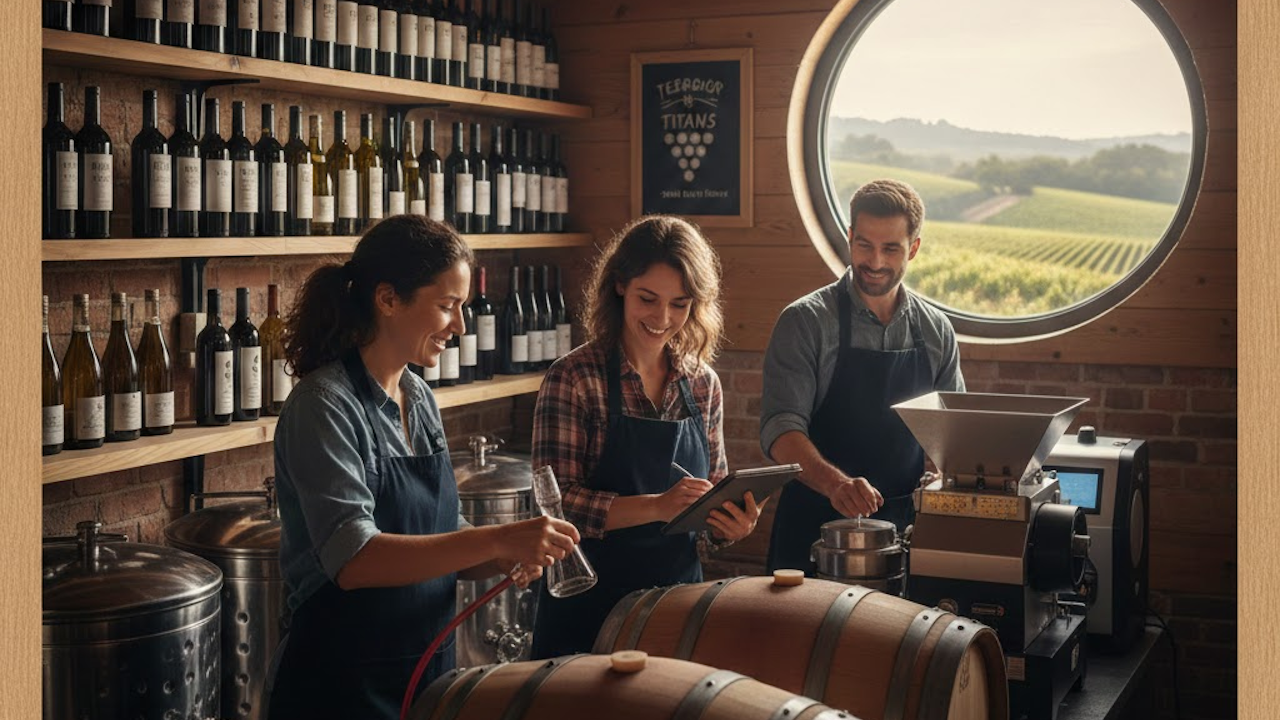
In the expansive world of wine production, where multinational corporations and large estates often command the spotlight, a compelling shift is occurring. Micro-wineries, small-scale operations that emphasize craftsmanship over volume, are carving out significant influence. These producers, frequently family-run and deeply tied to their local terroir, are challenging the dominance of mass-market wines by offering unique, high-quality bottles that resonate with discerning consumers. Their rise reflects broader trends toward authenticity, sustainability, and personalized experiences in the beverage industry. Despite limited output, micro-wineries are generating substantial interest, influencing winemaking practices, and contributing to local economies in ways that larger entities sometimes overlook.
A micro-winery is generally understood as a boutique or artisan operation producing wine on a very small scale. While exact thresholds vary by region, common definitions place production below 5,000 gallons annually, equivalent to roughly 2,000 cases of 750-milliliter bottles. In Napa Valley, for instance, local ordinances define micro-wineries as those yielding between 201 and 5,000 gallons per year. Many such operations are family-owned, focus on estate-grown or carefully sourced grapes, and prioritize hands-on methods. Some micro-wineries do not own vineyards at all, instead purchasing high-quality fruit from trusted suppliers and handling fermentation, aging, and bottling in modest facilities. This model allows flexibility and reduces the capital demands of full vineyard ownership.
These producers stand out for their commitment to quality over quantity. With smaller batches, winemakers can exercise greater control at every stage, from harvest decisions to fermentation techniques. Many adopt sustainable, organic, or biodynamic farming practices, avoiding excessive chemical interventions and promoting biodiversity in their vineyards. Experimentation is common: micro-wineries might trial unusual grape varieties, innovative aging vessels like concrete eggs or amphorae, or minimal-intervention natural wine approaches. The result is often wines that express a strong sense of place, with distinctive flavors tied to specific soils, microclimates, and vintage conditions. Production volumes might range from a few hundred cases to a couple of thousand, making each release inherently limited and sought after by collectors and enthusiasts.
The concept of micro-wineries gained traction in the United States during the 1990s, with notable growth in urban settings starting around 2008, such as Red Hook Winery in Brooklyn, New York. From there, the model spread internationally. In Europe, urban micro-wineries appeared in cities like London (London Cru in 2013) and France, beginning with Microcosmos in Marseille in 2012, followed by operations in Paris such as La Winerie Parisienne and Les Vignerons Parisiens in 2015. These city-based producers often source grapes from surrounding regions and perform winemaking in urban cellars, bringing production closer to consumers and revitalizing local connections to wine traditions. In Asia and beyond, similar small operations emerged, demonstrating the model’s adaptability.
Napa Valley exemplifies the micro-winery phenomenon in a traditional wine region. Here, small producers preserve the area’s heritage of family farming amid pressures from large-scale development. Examples include Elkhorn Peak Cellars, a father-daughter operation in the southeastern hills specializing in estate-grown Pinot Noir from long-tended vines, with annual production under 1,000 cases. Campbell Cellars focuses on just 200 cases of Cabernet Sauvignon from the Rutherford Bench, using sustainable, fish-friendly farming to highlight the region’s signature “Rutherford Dust” character. Rahn Estate on Howell Mountain continues a family legacy with small-lot Cabernet Sauvignon, inviting visitors to experience the forested vineyards directly. Lost Valley Wines operates a 25-acre estate producing organic wines alongside olive oil, drawing on the land’s storied past. Maroon Wines in the Coombsville AVA crafts expressive Cabernet Sauvignons influenced by volcanic soils and coastal influences, while Frias Family Vineyards maintains a 13-acre micro-estate on Spring Mountain for hillside Cabernet. Other notables like Battuello Vineyards (fifth-generation farming since 1909, under 1,200 cases of multiple varieties), Hillwalker Vineyards (100 percent biodynamic at high elevation with concrete aging), Chaix Family Vineyards (certified organic and biodynamic, just over 500 cases), and PROMISE Wine (biodynamic practices yielding elite-quality wines sold via allocation) underscore the diversity and personal touch in Napa’s micro scene.
Beyond California, micro-wineries are thriving in diverse contexts. In Cyprus, small producers are reviving Commandaria, the world’s oldest named wine, praised in ancient texts by Homer and Euripides. These operations use traditional sun-drying of Mavro and Xynisteri grapes from volcanic soils in the Troodos mountains, followed by aging in reused oak barrels for at least two years under EU protections. Karsera Winery in Doros village produces around 40 tons annually of a sweeter Mavro-based version, while Revecca Winery in Ayios Mamas, opened in 2015, makes about 3,000 bottles yearly, recently winning a national competition and experimenting with varieties to build a following. Despite challenges like declining traditional demand, these efforts aim to restore domestic and global interest in this historic sweet wine.
In France, the micro-winery trend is establishing itself as more than a passing fad, with urban examples fostering closer ties between producers and city residents. In Spain, Les Acàcies claims the title of one of the smallest wineries globally, operating at modest altitudes. Other regions, including parts of Italy (such as Terre di Pisa microwineries) and emerging areas like Connecticut (urban or grape-sourcing operations like Valor Wines), show similar growth. These producers often emphasize local economic benefits, job creation, and innovation in lagging rural or urban areas.
Micro-wineries bring numerous advantages to the wine landscape. Their small size enables agility in responding to climate challenges or market shifts, such as adopting regenerative agriculture or exploring climate-resilient grape varieties. Consumers increasingly seek transparency and stories behind their wines; micro-producers deliver this through direct-to-consumer sales, wine clubs, tasting rooms by appointment, and personal interactions with winemakers. This model supports wine tourism, where visitors can participate in harvests, learn about sustainable practices, or enjoy intimate tastings that larger wineries cannot replicate as authentically. Environmentally, many prioritize low-impact methods, reducing water usage, promoting soil health, and preserving biodiversity, which appeals to eco-conscious buyers.
Yet, operating as a micro-winery comes with significant challenges. Distribution remains a primary hurdle: major retailers and restaurants often prefer larger volumes and established brands, leaving small producers reliant on direct sales or specialized importers, which limits geographic reach. High production costs per bottle arise from lack of economies of scale in equipment, labor, and packaging. Regulatory barriers, such as permitting processes, labeling requirements, and local ordinances, can be burdensome for small operations. Brand building requires substantial effort in marketing and storytelling without the budgets of large competitors. In regions like California, small wineries face risks of financial strain from land values, labor shortages, and external shocks like pandemics or trade issues. Competition from both industrial producers and other craft beverages adds pressure.
Despite these obstacles, micro-wineries are exerting a noticeable influence on the broader industry. They drive innovation in winemaking techniques, sustainable practices, and varietal diversity, which larger producers sometimes adopt. By focusing on quality and niche markets, they cater to a growing segment of consumers interested in craft, authentic, and low-intervention wines. In economic terms, micro-wineries act as engines for local development, supporting rural communities, creating employment, and boosting tourism in areas that might otherwise struggle. Their success encourages policy changes, such as Napa’s micro-winery ordinance designed to protect small family farms. Globally, they contribute to the preservation of traditional methods, like Cyprus’ Commandaria revival, while adapting to modern preferences.
Looking ahead, the future appears promising for micro-wineries. Rising consumer demand for unique, story-driven products, combined with e-commerce and direct shipping advancements, should ease some distribution challenges. Continued emphasis on sustainability aligns with global environmental priorities, potentially opening grants or certifications that benefit small producers. Climate change may further favor agile micro-operations capable of quick adaptations in vineyard management. As urban micro-wineries expand access in non-traditional areas, and as more regions formalize definitions to support small businesses, these producers are likely to proliferate. Their ability to foster personal connections in an increasingly digital world positions them well for sustained growth.
In conclusion, micro-wineries exemplify how small-scale dedication can create ripples throughout a massive industry. By prioritizing terroir expression, family legacies, sustainable methods, and consumer engagement, these producers are not merely surviving but thriving and reshaping expectations of what wine can be. Their big waves stem from authenticity and innovation, proving that size does not dictate impact in the world of wine. As more enthusiasts discover these hidden gems, the influence of micro-wineries will only expand, enriching the global wine culture one limited-release bottle at a time.