

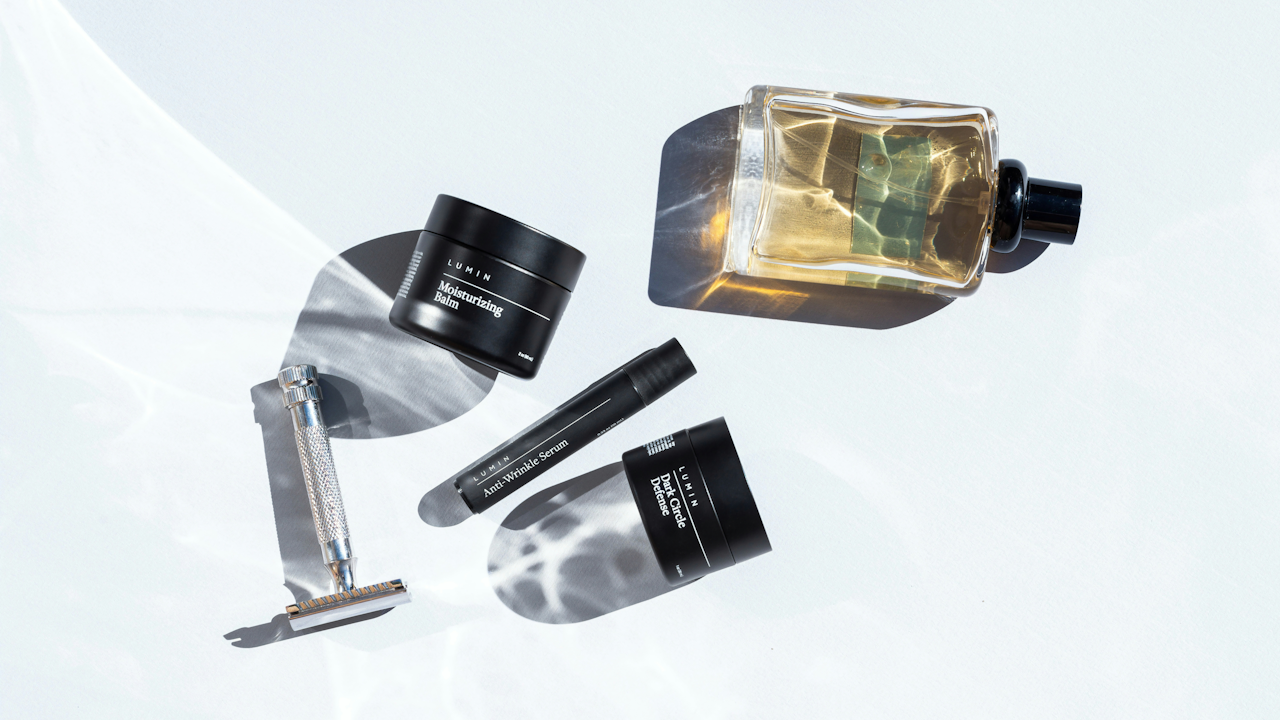
The beauty industry is undergoing a profound transformation as men increasingly embrace skincare, grooming, makeup, and self-care routines that were once considered the domain of women alone. What began as a niche interest among a small group of forward-thinking consumers has evolved into a robust global movement. Young men in particular are driving record adoption rates, with social media platforms serving as powerful catalysts for change. This shift represents more than fleeting fashion. It signals a fundamental redefinition of masculinity, wellness, and personal expression in the twenty-first century.
Market data underscores the scale of this evolution. In the United States, men’s grooming sales reached 7.1 billion dollars in 2025, marking a 6.9 percent increase from the previous year. Globally, estimates for the men’s grooming products market vary by definition and scope, yet most analysts project sustained expansion at compound annual growth rates between 5 and 9 percent through the early 2030s. Skincare consistently emerges as the fastest-growing segment, with some forecasts pointing to double-digit gains. These figures reflect genuine behavioral change rather than temporary hype. Men are not merely purchasing more products. They are integrating multi-step routines into daily life and viewing grooming as an investment in confidence and health.
Historical Context: Ancient Roots and Modern Revival
The notion that men and beauty are incompatible is a relatively recent cultural construct. Historical records reveal that male grooming and cosmetic use date back thousands of years across diverse civilizations. In ancient Egypt, men applied kohl eyeliner to create dramatic cat-eye effects that signified status and protection from the harsh desert environment. Roman men used powders to lighten their complexions, rouge on their cheeks, and various oils and creams as part of elaborate bathing rituals. In Elizabethan England, pale powdered skin was fashionable among aristocratic men who sought to emulate the refined appearance associated with courtly life.
Industrialization and the rise of rigid Victorian gender norms in the nineteenth and early twentieth centuries gradually pushed these practices underground in Western societies. Makeup and elaborate grooming became coded as feminine, while men were expected to project rugged simplicity. The mid-twentieth century reinforced this divide through advertising that emphasized functionality over aesthetics for male consumers. A modest resurgence occurred in the 1990s and early 2000s with the “metrosexual” archetype. Public figures such as David Beckham helped normalize moisturizers and grooming products among straight men. Yet true acceleration arrived with the smartphone era. Platforms like YouTube, Instagram, and especially TikTok dismantled gatekeepers and allowed ordinary men to share routines, product reviews, and transformations with millions of viewers.
The Data Driving the Narrative
Statistics paint a clear picture of momentum concentrated among younger generations. In the United States, 68 percent of Gen Z men aged 18 to 27 reported using facial skincare products in 2024, up sharply from 42 percent just two years earlier. Broader surveys indicate that the share of American men who say they never wear any makeup has declined from over 90 percent in 2019 to around 75 percent by 2024. Among heterosexual men aged 18 to 65, approximately 15 percent were already using cosmetics in 2022, with another 17 percent expressing openness to trying them in the future. Industry observers believe these numbers have risen further as visibility increases.
Spending patterns also favor men in recent years. One analysis showed men’s beauty spending growing 9.9 percent in 2024 compared with 5.8 percent for women. Millennial men already represent more than half of customers at certain online skincare retailers. Forecasts from trend analysts project the global men’s grooming market could reach 115 billion dollars by 2028, with skincare contributing disproportionately through a projected compound annual growth rate of 10.5 percent extending to 2035. These gains occur alongside broader premiumization trends. Consumers seek clean ingredients, sustainable packaging, and multifunctional formulas that deliver visible results without complicated regimens.
What Is Fueling the Surge?
Several interconnected forces explain why this trend has gained such traction now. Social media stands at the forefront. Hashtags related to men’s grooming accumulate billions of views on TikTok, where short “Get Ready With Me” videos and step-by-step tutorials remove mystery and intimidation. Male creators demonstrate real results on camera, demystifying serums, retinoids, and even color cosmetics. This content travels algorithmically to audiences who might never have encountered it in traditional media.
Generational attitudes play an equally important role. Gen Z men have grown up questioning inherited notions of masculinity. Many frame grooming as wellness optimization or “looksmaxxing” rather than vanity. Self-care is discussed openly alongside fitness, nutrition, and mental health. The COVID-19 pandemic amplified this introspection. Extended time at home encouraged experimentation with routines, while heightened awareness of hygiene and skin barrier health created lasting habits.
Celebrity participation lends credibility and visibility. High-profile launches such as Papatui by Dwayne Johnson at major retailers, Le Domaine by Brad Pitt, and Loved01 by John Legend demonstrate that established male icons see value in the category. These ventures normalize the idea that successful, masculine-presenting men invest in their appearance. Influencers amplify the message further. Creators like Bretman Rock, Patrick Starr, Wayne Goss, and a growing roster of TikTok personalities provide relatable entry points for audiences seeking practical advice rather than aspirational fantasy.
Retailers have adapted accordingly. Ulta Beauty and Sephora increasingly integrate men’s complexion products into gender-neutral skincare displays. Big-box chains such as Target and Walmart have expanded dedicated grooming sections and collaborated on men-forward lines. The emphasis on education through in-store events, QR-code tutorials, and accessible packaging helps overcome the primary barrier of uncertainty about how to use products correctly.
Categories and Consumer Behavior
Men’s engagement spans multiple categories, though priorities differ from traditional women’s beauty routines. Skincare forms the foundation. Typical entry points include gentle cleansers, moisturizers, and broad-spectrum SPF. Many progress to targeted treatments such as vitamin C serums for brightness, niacinamide for oil control, or retinoids for texture and aging concerns. Men often favor lightweight textures, fast-absorbing formulas, and products positioned around performance, protection, and recovery rather than anti-aging language that can feel loaded.
Haircare and beard maintenance represent another strong area. Premium shampoos, conditioners, and styling products compete with specialized beard oils, balms, and trimmers. Fragrance remains a gateway category, with men exploring sophisticated eau de toilettes and layering techniques. Body care has expanded beyond basic soap and deodorant to include whole-body deodorants, exfoliating washes, and moisturizing lotions. Color cosmetics occupy a smaller but expanding niche. Subtle enhancements such as tinted moisturizers, concealer pens, brow gels, and sheer lip products appeal to men seeking a polished yet natural look. Some explore bolder expressions through nail polish or full glam, particularly within creative or LGBTQ+ communities.
Consumer behavior reveals distinct preferences. Men tend to purchase fewer stock-keeping units, shop less frequently, and prioritize multifunctional items that simplify routines. They respond well to clear claims about ingredients, clinical results, and suitability for specific skin types or concerns such as sensitivity, oiliness, or post-shave irritation. Packaging that feels premium yet straightforward, with minimal floral or pastel aesthetics, performs better than overtly gendered designs.
Influencers, Celebrities, and Cultural Shifts
The visibility of male beauty creators has been transformative. Early pioneers on YouTube paved the way for today’s TikTok generation. Figures such as James Charles, Manny Gutierrez, and Lewys Ball challenged norms through high-production tutorials and brand partnerships. Current standouts include Bretman Rock with his massive following and authentic personality, alongside emerging voices who focus on skincare science or everyday grooming for diverse skin tones and hair types. These creators do more than sell products. They model vulnerability, routine consistency, and the idea that caring for one’s appearance is compatible with strength and authenticity.
Celebrity involvement extends beyond product launches. Actors, athletes, and musicians appear in campaigns or share personal routines, lending mainstream legitimacy. Retail collaborations, such as Target’s work with streaming collective AMP on the TONE line, bring accessible options to broader audiences. The cumulative effect is a feedback loop: increased representation encourages trial, trial generates positive experiences and word-of-mouth, and word-of-mouth fuels further content creation.
This cultural movement intersects with broader conversations about gender fluidity and inclusivity. Many younger consumers reject binary marketing altogether and gravitate toward gender-neutral brands that simply deliver effective formulas. At the same time, dedicated men’s lines continue to serve those who prefer targeted communication around thicker skin, higher oil production, or shaving-related concerns.
Challenges That Remain
Despite impressive growth, obstacles persist. Social stigma has not disappeared entirely, particularly among older demographics or in more conservative regions. Some men still associate visible grooming with femininity or perceive it as unnecessary. Marketing missteps can reinforce these perceptions if campaigns feel inauthentic or overly feminized. Dedicated men’s brands sometimes struggle with scale because the addressable market remains smaller than the overall beauty category, and men often buy fewer items per visit.
Education represents another hurdle. Many potential customers lack confidence in selecting or applying products. Retailers and brands invest heavily in tutorials, ingredient explainers, and simplified routines to close this gap. Economic pressures such as inflation can also dampen spending on non-essential or experimental categories, although core hygiene and basic skincare items tend to remain resilient.
Successful players navigate these challenges by focusing on results, simplicity, and genuine lifestyle alignment rather than abstract notions of beauty. They emphasize confidence, professionalism, and self-respect over transformation narratives that might feel alienating.
Looking Forward
The trajectory points toward continued expansion and deeper integration. Skincare will likely remain the engine of growth as awareness of long-term skin health spreads. Makeup adoption should accelerate gradually, especially in subtle “no-makeup makeup” formats and among Gen Z and younger Millennials. Technological innovations such as AI-powered skin analysis apps, personalized formulation tools, and smart devices for at-home treatments will further lower barriers to entry.
Sustainability expectations will intensify across genders. Men are increasingly vocal about clean ingredients, recyclable packaging, and ethical sourcing. Regional dynamics will evolve as well. Markets in Asia, where male skincare routines have long been more established, will continue influencing global trends through K-beauty and J-beauty innovations. Western markets will likely see further blurring of gender lines in both product development and retail presentation.
Over the longer term, the very category label “men’s beauty” may become less relevant. As routines normalize and gender binaries soften in consumer culture, effective products will simply be marketed on merit. Men working within the beauty industry as founders, influencers, estheticians, and makeup artists will contribute additional perspectives that enrich formulation science and creative expression.
Conclusion
The rise of men in beauty constitutes one of the most significant shifts in the modern beauty landscape. It reflects deeper changes in how society understands masculinity, self-care, and personal agency. Far from a superficial trend, this movement empowers individuals to present their best selves, protect their skin health, and participate in rituals that enhance daily confidence. Brands, retailers, and creators who approach this audience with respect, education, and high-performing products stand to benefit enormously. For consumers, the message is clear: grooming and beauty belong to everyone willing to invest in themselves. The numbers, the content, and the cultural momentum all confirm that this is not a passing phase but a lasting evolution in how men engage with beauty.