

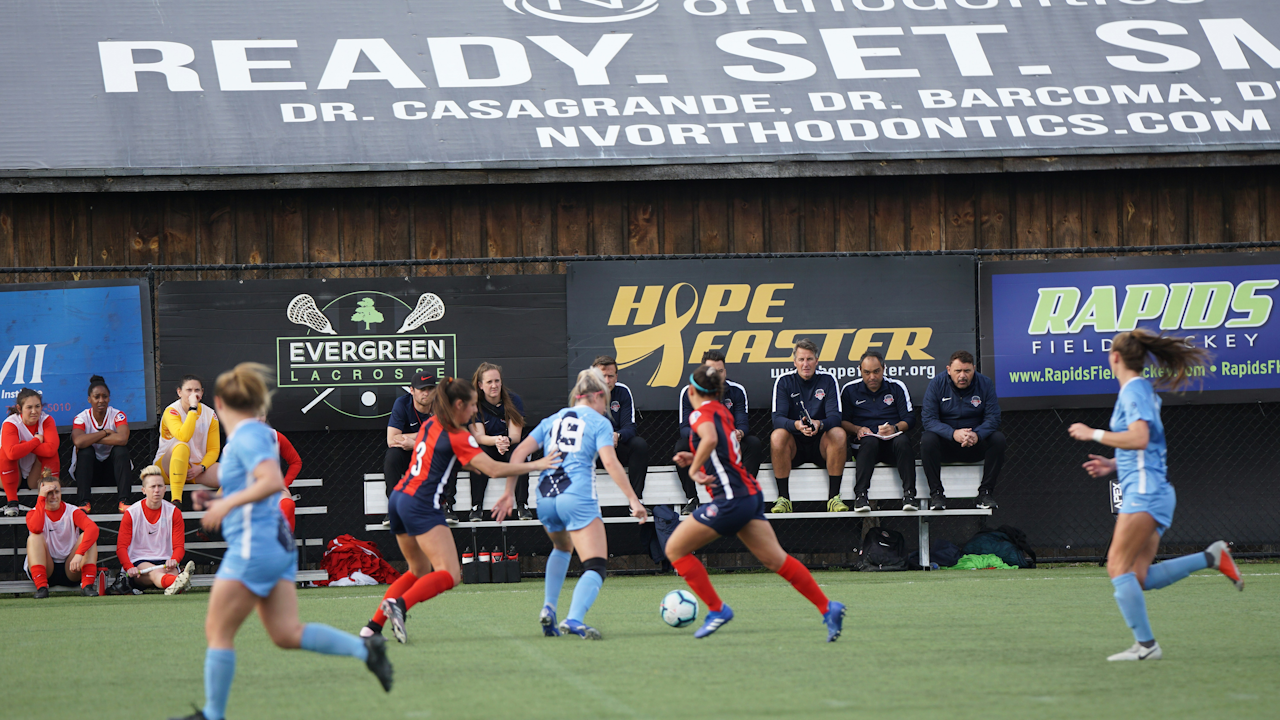
Youth sports have long been a cornerstone of childhood development in many countries, particularly in the United States. Millions of children participate each year in soccer, baseball, basketball, gymnastics, and other activities. These programs promise physical fitness, teamwork, discipline, and lifelong lessons. Yet a growing debate questions whether the environment has become excessively competitive, prioritizing winning, early specialization, and elite performance over fun, broad development, and well-being. With high dropout rates, rising injuries, and increasing parental pressure, many experts wonder if youth sports have shifted too far from their original purpose.
Participation numbers tell a mixed story. Recent data from the National Survey of Children’s Health indicate that around 55 percent of children aged 6 to 17 played on a sports team or took lessons in 2023. While this shows some rebound, broader trends reveal declines in casual play and concerns about accessibility. Free unstructured play has largely disappeared in favor of organized leagues, travel teams, and year-round training. This professionalization raises important questions about the impact on young athletes.
The Case for Competitive Youth Sports
Competition in youth sports offers clear benefits when managed properly. Regular physical activity through sports improves cardiovascular health, builds strong bones and muscles, and helps maintain a healthy weight. Adolescents who play sports are eight times more likely to remain physically active as adults compared to those who do not. These habits can reduce risks of chronic conditions like diabetes and heart disease later in life.
Beyond the physical, sports foster important psychological and social skills. Participants often develop greater self-confidence, resilience, and leadership qualities. Team sports, in particular, teach cooperation, communication, and how to handle both success and failure. High school athletes tend to show higher academic achievement, better school attendance, and increased likelihood of attending and graduating from college. Studies link sports involvement to lower rates of anxiety, depression, and substance use in many cases.
Competition also prepares children for real-world challenges. Learning to strive for goals, manage time, and push through discomfort builds character. For some talented athletes, structured competitive programs provide pathways to college scholarships or professional opportunities, though these outcomes are rare. Proponents argue that shielding children from competition does them a disservice, as the world beyond childhood is inherently competitive.
Many parents and coaches point to the joy and camaraderie that sports create. When kept in perspective, competitive play allows kids to form friendships, experience the thrill of games, and develop a sense of belonging. Balanced programs emphasize effort and improvement alongside results, helping children grow into well-rounded individuals.
The Growing Concerns: Pressure, Burnout, and Injuries
Despite these positives, evidence suggests that youth sports have intensified in ways that harm many participants. One of the most cited statistics is that approximately 70 percent of young athletes drop out of organized sports by age 13. The primary reasons include loss of fun, excessive pressure from adults, overwhelming schedules, lack of playing time, and overemphasis on winning.
Early sport specialization stands out as a major contributor to these problems. This involves focusing intensely on one sport year-round before puberty, often with private coaching, travel teams, and high training volumes. While it may accelerate short-term skill development, research consistently shows risks. Athletes who specialize early face higher rates of overuse injuries, which account for about half of all youth sports injuries. Children training more than 16 hours per week or exceeding their age in weekly hours (for example, more than 12 hours for a 12-year-old) are particularly vulnerable.
Injuries have become alarmingly common. Millions of children under age 15 seek treatment for sports-related issues annually, with many resulting from overuse rather than acute accidents. Specialization increases injury risk by 70 to 93 percent in some studies compared to multi-sport participation. Young bodies, still growing, are ill-equipped for repetitive stress without adequate rest.
Burnout represents another serious issue. Intense pressure leads to physical and emotional exhaustion, decreased performance, and eventual quitting. Nearly one in ten youth athletes report burnout symptoms. Factors include unrealistic expectations from parents and coaches, fear of failure, and loss of autonomy over their schedules. Some children feel their worth is tied solely to athletic success, which can damage self-esteem and mental health when performance dips or injuries occur.
Parental involvement often amplifies these pressures. Surveys show many parents hold unrealistic hopes of college scholarships or professional careers, despite the long odds (for instance, only about 2 percent of high school athletes receive athletic scholarships, and far fewer go pro). This mindset fuels a “win-at-all-costs” culture, with some parents yelling from the sidelines, criticizing coaches, or pushing for more training. Coaches themselves report burnout and frustration from managing demanding parents.
Financial barriers add another layer. Competitive travel teams, equipment, coaching, and tournaments can cost families thousands of dollars annually. This excludes many lower-income children, turning youth sports into a privilege rather than an accessible activity. Participation rates have declined among certain demographics, widening inequality.
A Shift from Play to Performance
Youth sports were once more recreational, centered on neighborhood games and school teams with seasonal schedules. Today, the model has professionalized. Club teams compete year-round, with tryouts starting at younger ages and selections based on early talent. This creates a cycle where children feel they must specialize or risk falling behind.
Multi-sport participation, by contrast, correlates with better long-term athletic success, fewer injuries, and higher enjoyment. Sampling different activities develops broader motor skills, reduces overuse on specific body parts, and prevents boredom. Experts recommend delaying specialization until late adolescence for most sports.
Gender differences appear in some data. Girls may face unique pressures around body image and social expectations, though boys in contact sports also experience high injury rates. Overall, the culture affects all participants when winning overshadows development.
Finding Balance: Recommendations for Healthier Youth Sports
The question is not whether competition itself is bad but whether the current intensity has gone too far. Most experts advocate for a balanced approach that prioritizes fun, safety, and long-term participation over early elite performance.
Parents can play a key role by focusing on effort rather than outcomes, encouraging multiple sports, and monitoring for signs of burnout such as fatigue, irritability, or reluctance to attend practices. Coaches should emphasize positive reinforcement, equal playing time in younger age groups, and proper rest periods. Leagues can implement policies limiting weekly training hours, promoting multi-sport involvement, and providing coach education on child development.
Organizations like the American Academy of Pediatrics and the Aspen Institute’s Project Play offer guidelines. These include keeping practices fun, ensuring adequate recovery, and viewing sports as one part of a child’s life rather than the defining element. Communities can invest in inclusive recreational programs that reduce financial barriers and welcome all skill levels.
Returning to unstructured play also helps. Free play encourages creativity, self-directed problem-solving, and intrinsic motivation without adult oversight. While organized sports have value, blending them with casual activity prevents over-scheduling.
Looking Ahead
Youth sports remain a powerful force for good, capable of building healthier, more confident, and skilled individuals. Yet when competitiveness eclipses enjoyment and safety, the system fails the majority of children who simply want to play and grow. The high dropout rates and injury statistics signal a need for cultural change.
Ultimately, youth sports should serve the children, not the ambitions of adults. By refocusing on development, inclusion, and sustainable participation, programs can preserve the benefits of competition while minimizing the harms. Families, coaches, and leagues must collaborate to create environments where kids learn valuable lessons without sacrificing their childhoods. The goal is not to eliminate competition but to ensure it remains healthy, age-appropriate, and rewarding for as many young athletes as possible.
With thoughtful reforms, youth sports can once again prioritize what matters most: the well-being and joy of the participants.