

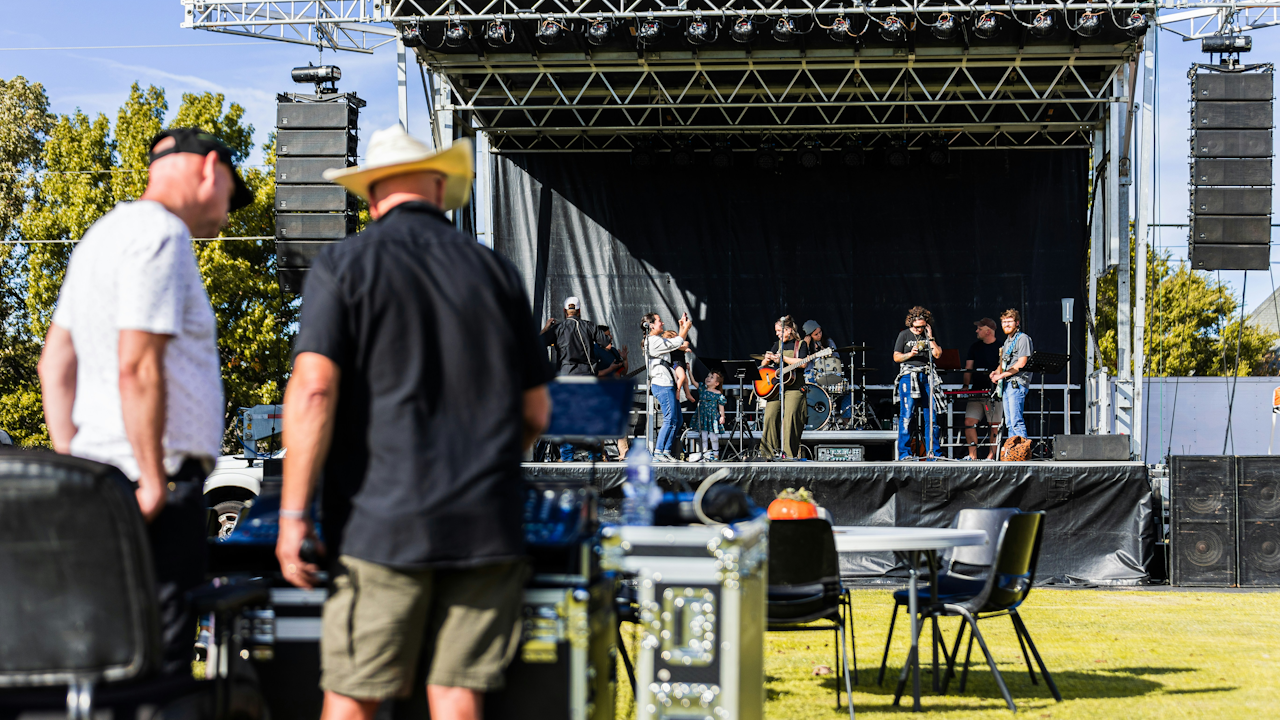
Tour managers live in a world of perpetual motion. They are the unseen conductors of the music industry, the ones who ensure that artists arrive on time, stages light up correctly, and crowds leave satisfied. Their days rarely follow a predictable script. Instead, each one unfolds as a high-stakes puzzle of logistics, people management, and crisis prevention. To understand what that actually feels like, follow Alex Rivera through a single Thursday on the European leg of a six-week tour with the indie-rock band Echoes of Tomorrow. The group consists of four musicians plus a small crew of five, including a sound engineer, a lighting tech, a merch seller, a guitar tech, and a driver. Alex has been with them for three years. At thirty-four years old, Alex has learned that the job demands equal parts organization, diplomacy, and the ability to stay calm when everything threatens to fall apart.
The alarm on Alex’s phone vibrates at 6:45 a.m. inside a mid-range hotel in Manchester, England. No snooze button exists in this line of work. Alex sits up in the narrow bed, grabs the phone, and opens the tour spreadsheet that serves as the central nervous system for the entire operation. Overnight, a few new messages arrived. The venue in Glasgow sent confirmation that the rider requests were received. The bus company confirmed fuel stops for the day’s drive. One band member texted at 2 a.m. about a lost phone charger. Alex notes it down to pick up a replacement at the next service station. A quick scan of weather apps shows rain expected in the afternoon, which means outdoor load-in will need tarps. Within ten minutes, Alex is dressed in jeans, a black hoodie, and comfortable boots that can handle twelve hours on concrete floors.
By 7:15 a.m., Alex knocks on the first hotel room door. The band members are not early risers by nature, so gentle but firm reminders keep the schedule intact. “Load-in is at ten,” Alex says through the door to lead singer Mia Torres. “Bus leaves at eight thirty sharp.” While the artists shower and pack, Alex heads downstairs to the lobby where the driver, Marcus, waits with the tour bus idling outside. The bus is a converted coach with bunks, a small lounge, and storage bays underneath for gear. Alex double-checks the load sheet against yesterday’s inventory list. Guitars, amps, drum shells, lighting truss, and two road cases of merchandise all accounted for. Nothing is missing, but Alex still walks around the bus twice to confirm every latch is secure.
Breakfast happens on the move. The hotel provided a basic continental spread, but most of the group prefers coffee and pastries grabbed from a nearby cafe. Alex carries a thermos of strong black coffee and a notebook filled with handwritten checklists. Over the next twenty minutes, the band and crew trickle onto the bus. Conversations revolve around last night’s show in Birmingham, set-list tweaks, and a running joke about the catering rider that never quite delivers the right vegan options. Alex stays quiet during these moments, listening for any signs of tension. A tired band is a distracted band, and distraction leads to mistakes onstage. By 8:25 a.m., everyone is aboard. Marcus pulls away from the curb exactly on time. Alex settles into the front passenger seat with a laptop balanced on one knee and begins the morning email round.
First up is a reply to the Glasgow promoter confirming the band’s arrival window and requesting extra security for the meet-and-greet. Next comes a message to the lighting tech back home who is sourcing a spare LED fixture after last night’s minor failure. Alex also books two hotel rooms for the following night in case the bus breaks down, an insurance policy born from past experience. Between emails, Alex glances at the route map. The drive to Glasgow is roughly four hours. That leaves a narrow window for load-in, soundcheck, and dinner before doors open at seven. Traffic on the M6 looks moderate, but Alex texts the venue production manager anyway to warn of a possible fifteen-minute delay. Over-communication prevents panic later.
The bus rolls north under gray skies. Band members nap, scroll phones, or rehearse harmonies quietly in the back lounge. Alex uses the quiet stretch to review finances. Tour accounting is a daily task. Last night’s merch sales totaled four hundred pounds more than projected. Venue guarantee payments cleared. Fuel receipts from yesterday get scanned and logged into the expense app. Alex also notes that one crew member’s per diem needs replenishing. Small details like these keep the operation solvent. A single overlooked receipt can snowball into cash-flow problems by the end of the week.
At 11:50 a.m., the bus arrives at the Glasgow venue, a mid-sized theater built in the 1930s with a capacity of twelve hundred. Load-in begins immediately. The crew springs into action, wheeling cases through the stage door while Alex checks in with the house production manager. Handshakes and quick introductions happen first. Alex hands over the technical rider, a detailed document specifying power requirements, stage plot, and monitor mixes. The house crew nods and starts marking tape on the stage floor to show where each amp and monitor belongs. Meanwhile, Alex walks the dressing rooms to ensure the rider is honored: bottled water, fresh fruit, towels, and a small selection of beers for after the show. One item is missing, the specific herbal tea Mia prefers for her voice. Alex notes it and asks the runner to pick some up before soundcheck.
By 12:30 p.m., gear is onstage and the soundcheck begins. The band runs through three songs while the front-of-house engineer and monitor engineer dial in levels. Alex stands at the mixing console taking notes on any issues. The guitar tech reports a loose tuning peg on the backup Telecaster. The lighting designer flags a burned-out par can that needs swapping. These are routine fixes, but Alex logs them anyway. During the twenty-minute break that follows, Alex pulls the promoter aside for a brief production meeting. Ticket sales are strong, eighty-seven percent capacity. The after-party sponsor wants a quick photo with the band. Alex negotiates the timing so it does not cut into the band’s dinner window. Diplomacy here matters. Promoters remember how easy or difficult a tour manager makes their job, and that memory influences future offers.
Lunch arrives at 1:45 p.m. Catering is set up in the green room: grilled chicken, rice, roasted vegetables, and a vegetarian pasta option. Alex eats quickly while answering messages. The band’s manager back in Los Angeles wants an update on a potential radio appearance in Berlin next week. Alex confirms it is still possible but flags a tight travel day. A local journalist arrives for a short interview with Mia. Alex sits in to make sure the conversation stays on track and that no sensitive topics leak early. These small interventions protect the band’s energy and the tour’s narrative.
The afternoon stretches into a series of overlapping tasks. At 3 p.m., Alex walks the merch booth with the seller to confirm inventory and pricing. T-shirts, hoodies, vinyl records, and limited-edition posters are displayed neatly. A quick calculation shows that if sales match last night’s pace, the band will clear their guarantee from merch alone. Next comes a safety check of the stage. Alex paces the perimeter looking for loose cables or uneven risers. The rain has started outside, so tarps are double-checked over the remaining equipment still in the truck. By 4:30 p.m., the band retreats to the dressing room for rest. Alex uses this window to update the master itinerary shared with everyone. Tomorrow’s call time, hotel details, and catering notes go in bold text so nothing gets missed.
At 5:45 p.m., doors open to the public. Alex positions near the box office for the first thirty minutes to watch the crowd flow. Early arrivals include a group of fans who traveled from Edinburgh. Alex makes a mental note to mention them to the band later. Positive fan stories help morale. Inside, the house lights dim at 6:50 p.m. The opening act, a local duo, takes the stage to a polite but growing audience. Alex stands in the wings, arms crossed, listening for any technical hiccups. The monitors sound balanced from the stage perspective. Lighting cues hit on time. So far, the day is running smoothly.
The main act is scheduled for 8:15 p.m. At 8:05 p.m., Alex gathers the band in the green room for a quick huddle. “Sound is strong, crowd is warm, and the promoter says the bar is already busy,” Alex tells them. “Let’s give them the best version of the new song.” The band nods, does a quick vocal warm-up, and lines up behind the curtain. When the house lights drop, the roar from twelve hundred people fills the theater. Alex moves to the side-stage monitor position, a vantage point that allows quick communication with the crew without being visible to the audience.
The set runs seventy-five minutes. Alex watches every transition. During the fourth song, a guitar pedal fails. The guitar tech swaps it in under twenty seconds without missing a beat. Alex texts a single thumbs-up emoji to confirm the fix worked. Midway through, a fan throws a bouquet onstage. Security moves in smoothly, and the band incorporates the moment into their banter. These unplanned interactions are gold for the show’s energy. Alex notes the timing so tomorrow’s set list can reference similar crowd moments if they arise. By the encore, the theater is on its feet. The final chord rings out at 9:45 p.m. to sustained applause.
Load-out begins the moment the house lights rise. The crew moves with practiced efficiency, breaking down the stage in reverse order of load-in. Alex coordinates with the venue manager to settle the final paperwork: box-office statement, catering invoice, and any additional charges. A minor overage on bar spend is negotiated down because the band’s rider was honored. Meanwhile, the band signs a few posters for fans waiting at the stage door. Alex keeps one eye on the clock. The bus must leave by 11 p.m. to reach the next hotel in Newcastle before 3 a.m. Fatigue is the enemy of safety on the road.
By 10:50 p.m., the bus is reloaded and the artists are aboard. Alex does one final sweep of the dressing rooms to ensure nothing is left behind. A forgotten phone charger from this morning would be an easy loss, but everything is accounted for. The bus pulls away into the rainy night. Inside, the mood is buoyant. The band replays highlights from the show while sharing a celebratory drink. Alex sits at the front again, updating the daily report that will be sent to the management team at midnight. Sales figures, technical notes, and a short narrative summary go into the document. Tomorrow’s schedule is already highlighted: a 10 a.m. load-in in Newcastle, a radio interview at noon, and an evening show in a converted warehouse.
The bus reaches the hotel just after 2:30 a.m. Alex checks the group in, hands out room keys, and reminds everyone of the morning call time. A few band members linger in the lobby to decompress. Alex joins them briefly, listening to stories and offering quiet encouragement. Once the last person heads upstairs, Alex returns to the bus to speak with Marcus about the route for the next leg. Only then does Alex head to the room, set the alarm for 7:30 a.m., and finally lie down.
In the quiet of the hotel, Alex reflects that this day was relatively smooth. No major delays, no injuries, no lost gear. Yet every hour required constant attention to detail. The job is not glamorous. It involves more spreadsheets and phone calls than most outsiders imagine. But it also offers the rare satisfaction of watching thousands of people connect with music because the machinery behind the scenes held together. Tomorrow will bring new variables: different weather, a longer drive, perhaps a new technical challenge. Alex will meet it the same way, checklist in hand, ready to solve whatever the road presents next. For a tour manager, that is simply what the day demands.