

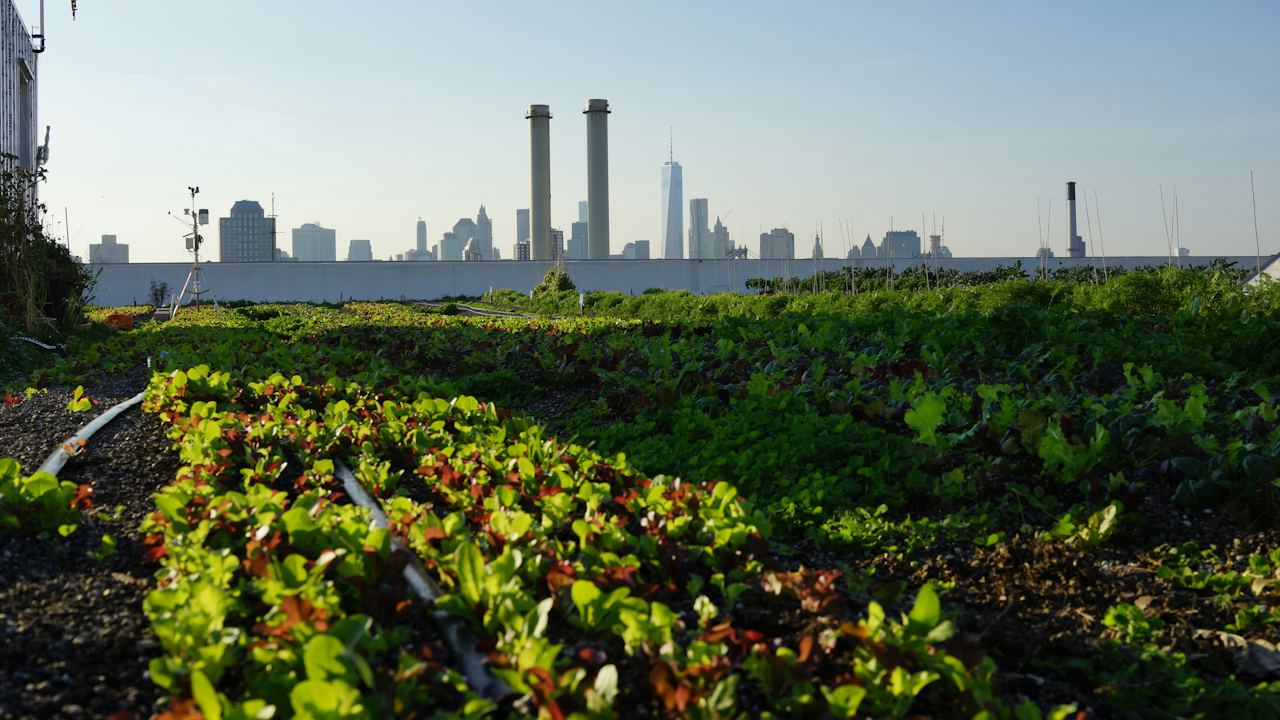
In the shadow of skyscrapers and the constant hum of city traffic, a new kind of agriculture is taking root. Rooftop farms represent the pinnacle of hyper-local food systems, where vegetables, herbs, and even small fruits grow just meters above the heads of the people who will soon eat them. This model shrinks the distance between production and consumption to its absolute minimum, often less than a city block or even within the same building. Hyper-local food is not merely a trend in urban sustainability. It is a practical response to the challenges of feeding growing populations while reducing environmental strain and reconnecting city dwellers with the sources of their meals.
The concept of hyper-local food builds on the farm-to-table movement but takes it further by eliminating long-distance transport entirely. Traditional produce might travel thousands of kilometers from rural fields to urban supermarkets, losing freshness and gaining a substantial carbon footprint along the way. In contrast, rooftop-grown lettuce or basil might move from soil to salad bowl in under an hour. This proximity preserves nutrients, cuts waste, and supports a closed-loop approach that treats the city itself as both farm and marketplace.
The rise of rooftop farming coincides with rapid urbanization. By the middle of the 21st century, more than two-thirds of the world’s people are expected to live in cities. Traditional farmland is shrinking under pressure from development and climate change. At the same time, concerns about food security, supply chain disruptions, and the health impacts of processed diets have pushed innovators to look upward. Rooftops, once wasted space covered in gravel or air-conditioning units, offer thousands of square meters of underutilized real estate. A single mid-size commercial building can host a farm capable of feeding hundreds of nearby residents or supplying restaurants within walking distance.
Early experiments in rooftop agriculture date back decades, but the modern movement gained momentum in the early 2000s. Pioneering projects in New York, Chicago, and Toronto demonstrated that rooftops could support serious food production. Engineers and agronomists solved structural challenges by developing lightweight growing media and modular systems that distribute weight evenly. Today, cities from Singapore to Paris to Detroit host thriving rooftop operations, ranging from community gardens on apartment blocks to commercial enterprises on warehouse roofs.
What makes a rooftop farm different from a ground-level plot? The environment is harsher in some ways and more controlled in others. Wind speeds are higher, sunlight is more intense without surrounding trees for shade, and temperatures fluctuate more dramatically between day and night. Yet these same conditions can be turned to advantage. Rooftops receive unobstructed solar radiation, ideal for photosynthesis. Rainwater can be captured directly from the roof surface and filtered for irrigation, reducing reliance on municipal supplies. Many farms incorporate green-roof technology that also insulates the building below, lowering energy costs for heating and cooling.
Rooftop farms come in several forms. The simplest are soil-based systems using raised beds filled with lightweight compost mixes. These mimic traditional gardening but require careful engineering to avoid overloading the building. More advanced operations turn to hydroponics, where plants grow in nutrient-rich water without soil. Roots dangle in channels or net pots while pumps circulate water and dissolved minerals. Aquaponics adds fish to the equation; waste from tilapia or other species fertilizes the plants, and the plants filter the water for the fish in a symbiotic loop. Aeroponics takes efficiency even further by misting roots suspended in air with nutrient solution, using up to 95 percent less water than field farming.
Technology plays a central role in making these systems viable. Sensors monitor soil moisture, pH levels, air temperature, and light intensity, feeding data to smartphone apps or central dashboards. Automated irrigation and fertigation systems deliver precise amounts of water and nutrients exactly when needed. Some larger farms employ drones or robotic harvesters to reduce labor and minimize crop damage. Pollinators are encouraged through the planting of flowering companion species, or managed colonies of bees are maintained on the roof itself. In regions with extreme seasons, retractable covers or supplemental LED lighting extend the growing period year-round.
The journey from rooftop to plate begins with careful planning long before the first seed is sown. Site assessment determines load-bearing capacity, sun exposure, and access for workers and equipment. Soil or growing media is selected or mixed to balance drainage, nutrient retention, and weight. Seeds or seedlings are chosen for varieties that thrive in urban microclimates and appeal to local tastes. Fast-growing greens like kale, arugula, and microgreens are favorites because they mature quickly and command premium prices. Herbs such as basil, mint, and cilantro add high value in small spaces. Some farms experiment with edible flowers, cherry tomatoes, or even dwarf fruit trees trained along trellises.
Daily operations follow a rhythm familiar to any gardener but scaled to an urban setting. Morning checks include inspecting for pests, adjusting irrigation timers, and recording environmental data. Weeding is minimal in hydroponic systems but still necessary in soil beds to prevent competition for resources. Harvest happens at peak freshness, often early in the day when temperatures are cooler and leaves hold maximum crispness. Workers use sharp shears or specialized cutters to snip leaves and stems cleanly, preserving plant health for continued production. Immediately after harvest, produce is rinsed in chilled water, packed into reusable crates, and labeled with the exact rooftop location and harvest time. Traceability is effortless because the entire supply chain spans mere floors or streets.
Distribution is where hyper-local truly shines. Instead of refrigerated trucks crossing state lines, produce might travel by cargo bike, electric van, or even dumbwaiter within a single building. A restaurant on the ground floor of a farmed skyscraper can receive its salad greens within minutes of picking. Community-supported agriculture programs deliver directly to subscribers in the same neighborhood, often via stairwells or elevators. Farmers markets set up on the sidewalk below allow customers to buy herbs still warm from the sun. Some operations partner with local grocers or cafeterias in nearby offices, creating contracts that guarantee supply and price stability for both sides.
This short chain delivers measurable benefits. Flavor and nutrition reach new heights because produce is consumed at its freshest. Vitamins and antioxidants begin to degrade the moment a plant is cut; hours or days of transit accelerate that loss. Rooftop vegetables often taste more vibrant because they are bred or selected for flavor rather than shelf life. Customers report that a tomato grown on a city roof tastes nothing like the pale supermarket version shipped from distant greenhouses.
Environmental gains are equally compelling. Hyper-local food slashes transportation emissions to nearly zero. Studies consistently show that food miles account for a significant portion of agriculture’s carbon footprint. By growing on rooftops, cities also gain natural stormwater management. Rain is absorbed by growing media instead of rushing into overwhelmed sewers. The vegetation cools the surrounding air through evapotranspiration, mitigating the urban heat island effect that can raise city temperatures by several degrees. Biodiversity increases as birds, bees, and beneficial insects find new habitat amid the concrete.
Social and economic impacts extend beyond the environment. Rooftop farms create jobs for urban residents, including roles in farming, distribution, education, and maintenance. Training programs teach young people agricultural skills that were once rural-only. Schools partner with rooftop projects to give students hands-on lessons in biology, ecology, and nutrition. Community gardens on lower rooftops foster social connections among neighbors who might otherwise remain strangers. Food access improves in areas classified as urban food deserts, where fresh produce was previously scarce or expensive.
Challenges remain, of course. Initial construction costs can be high because of structural reinforcements and specialized equipment. Zoning laws and building codes vary widely, sometimes creating bureaucratic hurdles. Pests and diseases can spread quickly in dense urban settings, requiring integrated management strategies that avoid heavy chemical use. Water quality must be monitored closely, especially in hydroponic systems where contamination could affect entire crops. Labor is another factor; rooftop work involves heights, wind, and exposure to the elements, demanding safety protocols and physical fitness.
Despite these obstacles, innovation continues to lower barriers. Modular farm kits allow smaller buildings to participate without major retrofits. Public-private partnerships provide funding and expertise. Insurance products tailored to urban agriculture reduce financial risk. Research into resilient crop varieties and climate-adaptive growing techniques expands what can be produced at elevation. Vertical farming elements are sometimes integrated on rooftops, stacking layers of plants under protective canopies to multiply yield per square meter.
A typical day on a thriving rooftop farm illustrates the hyper-local ideal in action. At sunrise, the farm manager walks the rows, noting the dew on basil leaves and the rapid growth of baby spinach. Harvest crews arrive by elevator, filling crates with arugula destined for a cafe three blocks away. By mid-morning, the first delivery is complete; the cafe chef plates a salad that was growing less than two hours earlier. Excess produce heads to a nearby food co-op, where residents pick up their weekly shares. In the afternoon, a school group tours the farm, learning how their city can feed itself. As evening falls, automated systems water the beds while solar panels on an adjacent roof charge batteries for nighttime monitoring. The cycle repeats the next day, quietly supplying fresh food to thousands without a single long-haul truck.
Restaurants and chefs have embraced the model enthusiastically. Menus proudly list the rooftop source by name, turning the farm into a marketing asset. Diners enjoy knowing their meal supported local jobs and reduced emissions. Some establishments install small demonstration plots on their own rooftops or balconies, allowing guests to see herbs growing before they appear on the plate. This transparency builds trust and encourages conscious consumption.
Looking ahead, rooftop farming is poised to scale dramatically. Cities are revising building codes to mandate or incentivize green roofs with food production components. Technology will continue to improve efficiency, with artificial intelligence predicting optimal harvest windows and robotic systems handling repetitive tasks. Integration with building-wide systems could recycle gray water from sinks and showers into irrigation loops, creating even tighter resource cycles. In dense megacities, networks of rooftop farms could form a distributed food grid, resilient to disruptions that affect traditional supply chains.
Hyper-local food from rooftop farms is more than a novelty. It represents a fundamental shift toward regenerative urban living. By turning unused space into productive land, cities reduce their dependence on distant agriculture and strengthen local economies. Residents gain access to superior nutrition and a deeper connection to the land beneath their feet, even if that land is 20 stories up. The journey from rooftop to plate is remarkably short, yet it carries profound implications for health, environment, and community resilience.
As more rooftops turn green and more plates fill with just-picked produce, the vision of self-sustaining cities comes into sharper focus. Hyper-local food is not a return to some romanticized past. It is a forward-looking solution that harnesses technology, creativity, and necessity to feed tomorrow’s urban world. The next time you bite into a crisp leaf of lettuce or savor the aroma of fresh-picked basil, consider that it may have traveled only as far as the elevator ride from the roof above you. That short distance defines a better, greener way to eat.