

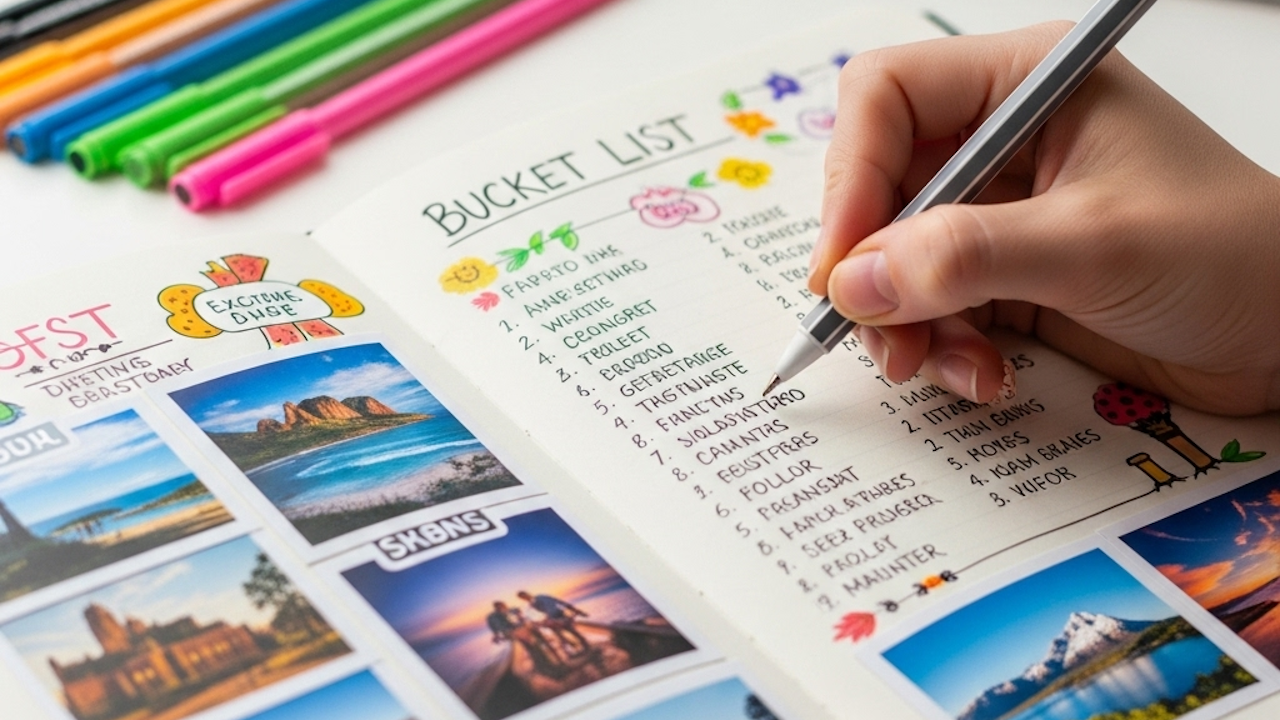
A bucket list is more than a simple collection of dreams scribbled on paper or typed into a phone note. It represents the deliberate choices you make to shape a life filled with purpose, excitement, and fulfillment. The term itself comes from the phrase “kick the bucket,” an old expression for dying, but the modern bucket list has evolved into a powerful tool for living fully while time remains on your side. Creating the perfect bucket list is not about chasing endless thrills or copying someone else’s highlights. It is about crafting a personal roadmap that aligns with your deepest values, stretches your limits, and brings joy to the everyday moments in between. This article explores every aspect of building that ideal list, from initial brainstorming to long-term maintenance, so you can turn vague wishes into a structured plan that inspires action.
Why a Bucket List Matters in the First Place
Before diving into the mechanics, consider the deeper reasons a well-crafted bucket list transforms lives. Many people drift through years without clear direction, only to look back with regret over opportunities missed. A bucket list counters this by forcing intentional reflection. It encourages you to confront mortality in a healthy way, not with fear but with motivation. Studies in positive psychology show that people who set meaningful goals report higher levels of happiness and resilience. Your list becomes a compass during tough times, a reminder that life holds more than routine obligations.
A perfect bucket list also balances aspiration with realism. It prevents the trap of endless scrolling through social media feeds filled with others’ adventures, which can leave you feeling inadequate. Instead, it grounds you in your own story. Whether you aim to climb a mountain, learn a language, or simply watch the sunrise from a favorite beach every year, the list reminds you that small, consistent steps lead to extraordinary outcomes. It fosters gratitude by celebrating progress, no matter how incremental.
Finally, a bucket list strengthens relationships. Sharing elements of it with loved ones can spark collaborative adventures, deepen bonds, and create shared memories. Even if you keep parts private, the act of pursuing your goals models courage and curiosity for those around you.
Step One: Prepare Your Mindset for Honest Reflection
The foundation of any perfect bucket list begins with self-awareness. Set aside uninterrupted time, perhaps an afternoon or a quiet evening, free from distractions. Sit with a notebook or digital document and ask yourself probing questions. What experiences have you always envied in others? What skills have you longed to master? What places stir your curiosity? What causes make your heart race with passion? Write freely without judgment. Aim for quantity over quality at this stage. Do not worry if ideas seem silly or impossible; the goal is to uncover raw desires.
Reflect on your life stages. Consider your childhood dreams, forgotten hobbies from your twenties, or recent realizations sparked by travel, books, or conversations. Think about categories to ensure balance: travel adventures, career milestones, personal growth, health and wellness, relationships, creative pursuits, spiritual explorations, and legacy-building activities. For example, under travel you might note “hike the Inca Trail,” while under personal growth you could list “meditate daily for a full year.”
Incorporate your core values. If family ranks highest, include items like “take my children on a cross-country road trip.” If environmental stewardship matters, add “plant one thousand trees over my lifetime.” This alignment ensures your list feels authentic rather than performative. Spend at least thirty minutes per category to generate depth.
Step Two: Brainstorm Without Limits
Once your mindset is clear, unleash creativity. Use prompts to spark ideas. Imagine you have unlimited resources for one year. What would you do? Picture your eightieth birthday party and the stories you want to share. Consult books, documentaries, or conversations with friends for inspiration, but adapt everything to your personality.
Aim for at least one hundred items initially. Mix scales: grand gestures like “sail across the Atlantic” alongside modest pleasures like “bake bread from scratch every season.” Include sensory experiences, such as “taste authentic street food in Bangkok” or “hear a live symphony in Vienna.” Add intellectual goals like “read the complete works of Shakespeare” and physical challenges like “run a marathon under four hours.”
Do not censor yourself. If an idea feels scary, write it anyway. Fear often signals untapped potential. Set a timer for sixty minutes of nonstop listing. When finished, walk away for a day or two before reviewing. Fresh eyes reveal patterns and priorities.
Step Three: Refine and Categorize Your Ideas
Now transform the raw list into something structured. Review every item and ask four key questions: Is this truly mine, or borrowed from someone else? Does it excite me when I read it aloud? Is it specific enough to measure success? Can I break it into actionable steps?
Categorize ruthlessly. Create sections such as:
- Adventure and Travel
- Career and Financial Growth
- Health and Fitness
- Relationships and Family
- Learning and Skills
- Creative Expression
- Giving Back and Legacy
- Fun and Leisure
Within each category, prioritize by excitement level and feasibility. Rate items on a scale of one to ten for personal importance. Cross off duplicates or vague entries like “be happy.” Replace them with precise versions: “achieve financial independence by age fifty through diversified investments and side businesses.”
Aim for quality over quantity. A perfect bucket list contains between fifty and one hundred refined items. More than that risks overwhelm; fewer may lack breadth. Ensure diversity across short-term (achievable within one year), medium-term (three to five years), and long-term (ten years or more) goals. This creates momentum as you tick off quicker wins while building toward epic milestones.
Step Four: Make Every Item SMART and Inspiring
The perfect bucket list turns dreams into declarations. Apply a modified SMART framework, tailored for aspirational goals. Make items Specific: instead of “visit Europe,” write “spend two weeks exploring the Scottish Highlands by train in summer 2028.” Measurable: define clear success criteria, such as “complete a full Ironman triathlon with a finishing time under twelve hours.” Achievable: ground ambitions in reality by considering current resources and skills, while allowing for growth. Relevant: tie each entry to your values so it fuels intrinsic motivation. Time-bound: assign loose deadlines where possible, like “before turning forty” or “by the end of this decade.”
Phrase every item positively and in first person. Use vivid language that evokes emotion: “Stand on the summit of Mount Kilimanjaro at dawn, feeling the first rays of sun warm my face” carries more power than “Climb Kilimanjaro.” This sensory detail helps visualization and sustains drive during setbacks.
Include stretch goals that scare you slightly. Research shows that goals just beyond current comfort zones produce the greatest personal growth. Balance these with accessible entries to maintain confidence.
Step Five: Write It Down and Organize It Beautifully
The physical or digital act of recording your list solidifies commitment. Choose a format that suits your lifestyle. A dedicated journal offers tactile satisfaction and space for sketches or photos later. Digital tools like dedicated apps or spreadsheets allow easy sorting, reminders, and progress tracking. Some prefer a simple document divided by categories with columns for status, deadline, and notes.
Design matters. Use headings, bullet points, and bold text for readability. Add a cover page with your name, the date created, and a motivational quote such as Mark Twain’s reminder that “the fear of death follows from the fear of life.” Leave room for updates, because your list will evolve.
Store it accessibly yet privately if desired. Review it fully once a quarter and glance at it weekly. Place a printed copy on your desk or set digital notifications to keep it top of mind.
Step Six: Turn the List Into a Living Action Plan
A perfect bucket list is useless without momentum. For each item, create a sub-plan. Break complex goals into milestones. If “write and publish a novel” sits on your list, milestones might include “outline plot by March,” “finish first draft by December,” and “submit to agents by next summer.” Assign resources: budget estimates, skill-building courses, or accountability partners.
Schedule regular check-ins. Every six months, evaluate progress and adjust. Life changes, priorities shift, and some items may lose appeal. That is normal and healthy. Celebrate completions lavishly. Host a small dinner to mark achievements or treat yourself to a symbolic reward. Share stories publicly or privately to reinforce the habit of intentional living.
Build habits that support the list. Integrate related daily or weekly routines, such as language practice apps for travel goals or networking events for career ambitions. Track everything in a progress journal to spot patterns in what energizes you most.
Step Seven: Avoid Common Pitfalls That Derail Bucket Lists
Even the best intentions falter without awareness of typical mistakes. First, resist comparison. Your list must reflect your unique journey, not curated online highlights. Second, avoid overloading with materialistic items unless they genuinely align with deeper fulfillment; chasing possessions alone rarely satisfies long-term.
Do not make the list too rigid. Flexibility prevents frustration when unexpected opportunities arise. Similarly, steer clear of overly vague entries that provide no direction. Another error is neglecting health and sustainability; include items that support long-term vitality so you remain capable of pursuing everything else.
Finally, guard against procrastination disguised as perfectionism. The perfect list is the one you start today, not the one endlessly revised. Begin with three items and build from there.
Step Eight: Examples of Well-Crafted Bucket List Items
To illustrate, here are refined examples across categories:
Travel: “Kayak through the turquoise waters of the Maldives at sunset during my fortieth birthday celebration, capturing the moment with underwater photography.”
Career: “Launch a profitable online course teaching beginner photography techniques, reaching one thousand enrolled students within two years.”
Personal Growth: “Complete a silent meditation retreat in a Japanese temple for ten days, emerging with a daily mindfulness practice I maintain for life.”
Relationships: “Organize an annual family reunion camping trip in a different national park each year until my children turn eighteen.”
Creative: “Compose and perform an original piano piece at a local open mic night before age fifty-five.”
Legacy: “Volunteer one hundred hours mentoring underprivileged youth in entrepreneurship skills through an established nonprofit program.”
These examples demonstrate specificity, emotion, and feasibility while remaining ambitious.
Step Nine: Maintaining and Evolving Your List Over Decades
A perfect bucket list grows with you. Revisit it annually on a significant date, such as New Year’s Day or your birthday. Add new items as interests expand and retire those that no longer resonate. Celebrate the percentage completed rather than obsessing over unfinished entries. Life’s unpredictability means some goals may become impossible; pivot gracefully to related alternatives.
Incorporate technology thoughtfully. Use apps that allow photo uploads for completed items or community features for shared accountability. Pair digital convenience with analog rituals, like handwritten annual reviews, to deepen emotional connection.
Share selectively. Discussing select goals with trusted friends can open doors to joint adventures or expert advice. However, keep deeply personal items private to preserve intrinsic motivation.
Step Ten: The Transformative Power of Completion and Reflection
As you cross items off, pause to reflect. Journal about lessons learned, people met, and personal growth achieved. These reflections become part of your legacy, stories you pass to future generations. Over time, the list shifts from a to-do document into a testament of a life richly lived.
Remember that the perfect bucket list is never truly finished. It evolves as you do, serving as both mirror and map. Start small if the process feels overwhelming. Write your first ten items this week. The act of beginning plants seeds of momentum that compound into extraordinary experiences.
In the end, a bucket list is not about racing against time but savoring it. It reminds you that every sunrise offers another chance to pursue what matters. Craft yours with honesty, detail, and heart, then step boldly into the adventures waiting ahead. Your future self will thank you for the courage to begin.