

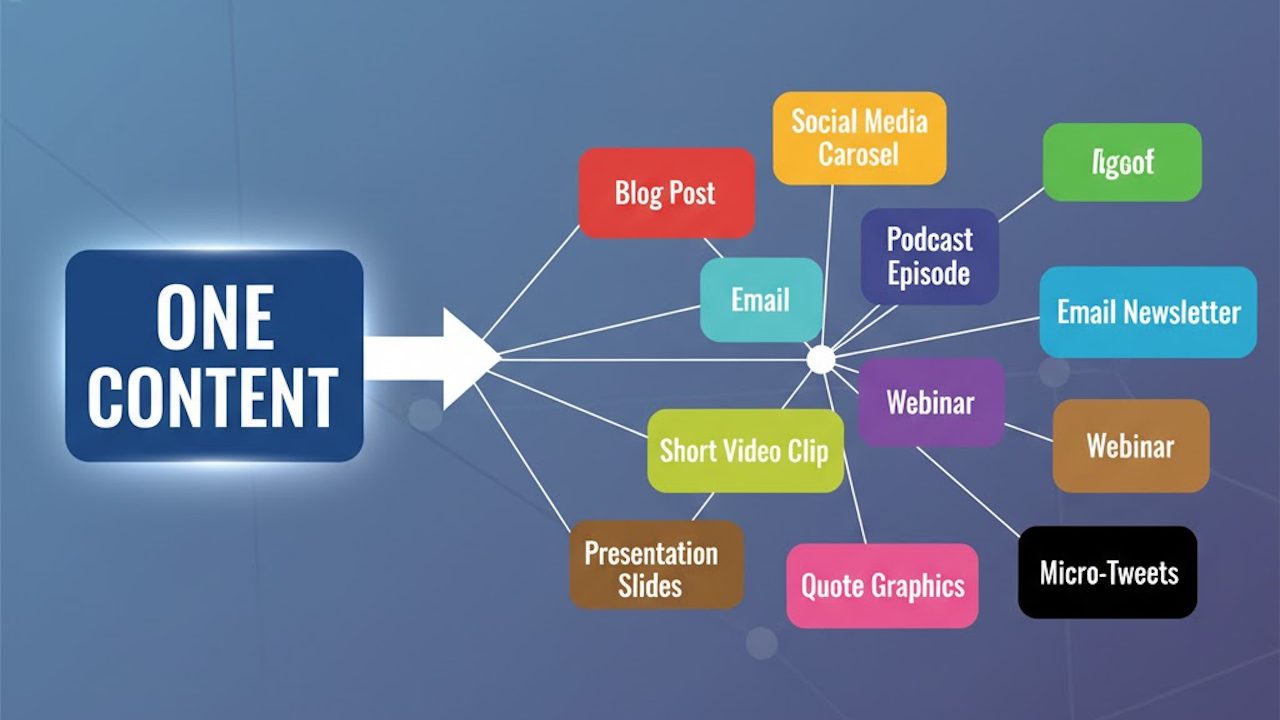
In today’s digital landscape, creating high-quality content from scratch for every platform and audience can be exhausting and time-consuming. Smart content creators know that one strong piece of original material holds far more potential than a single publication. Repurposing allows you to extract maximum value, reach new audiences, reinforce your message, and save significant resources. This comprehensive guide explores practical strategies to transform a single piece of content into at least ten distinct versions. Whether your core asset is a blog post, video, podcast episode, or report, these methods will help you expand its lifespan and impact.
Why Repurposing Content Matters
Repurposing is more than just copying and pasting. It involves adapting the core ideas, insights, and value to fit different formats, lengths, and channels while maintaining consistency in your brand voice. The benefits are substantial. First, it boosts efficiency. Instead of spending hours on new creations, you leverage existing work. Second, it improves SEO and visibility across platforms. Search engines and algorithms favor consistent activity. Third, it caters to varied learning preferences. Some people prefer reading long-form text, while others consume short videos or audio on the go. Fourth, repurposed content builds authority by appearing in multiple places, reinforcing your expertise. Finally, it can drive traffic back to your original piece, creating a virtuous cycle of engagement and conversions.
Successful repurposing requires understanding your audience segments and platform specifics. Always track performance metrics such as views, shares, and conversions to refine future efforts. Start with high-performing content that already resonates with your target market.
Selecting and Preparing Your Core Content
Before diving into repurposing, choose a solid foundation. Ideal candidates include in-depth blog posts, detailed how-to guides, research reports, interviews, or case studies packed with actionable insights, data, and stories. Avoid thin content that lacks substance.
Review the original for key elements: main thesis, supporting points, examples, statistics, quotes, and calls to action. Outline these components clearly. Identify the central message that can unify all versions. Edit for clarity if needed, ensuring the core remains evergreen or timely depending on your goals. Note any proprietary information that should stay exclusive to certain formats.
The Ten Repurposed Versions
Here is a step-by-step breakdown of ten effective ways to repurpose one piece of content. Each includes adaptation tips, best practices, and examples assuming an original long-form blog post on “Effective Time Management Techniques for Busy Professionals.”
1. Social Media Thread or Series
Break the blog into a threaded narrative suitable for platforms like X (formerly Twitter), LinkedIn, or Threads. Condense each major section into one or two posts. Start with a hook post summarizing the main idea and end with a link back to the original.
For time management, create a 10-tweet thread highlighting one technique per tweet with a brief explanation and tip. Add relevant hashtags and questions to encourage replies. On LinkedIn, expand slightly for professional depth. Schedule the thread over a day or week to maintain momentum. This format drives immediate engagement and funnels traffic to your site.
2. Email Newsletter Sequence
Transform the content into a multi-part email series. Divide the blog into digestible segments, such as one technique per email over several days. Personalize with subscriber-specific introductions and include exclusive bonuses like worksheets or templates not in the original.
Craft compelling subject lines such as “Unlock Your First Time Management Hack Today.” End each email with a teaser for the next and a clear call to action. This nurtures your list, builds relationships, and positions your brand as a helpful resource. Tools like Mailchimp or ConvertKit make segmentation and automation straightforward.
3. Short Video Script for YouTube or TikTok
Script a video version by narrating the key points with visual cues in mind. Keep it engaging with a strong opening, on-screen text overlays for tips, and a demonstration if applicable. For time management, film yourself explaining techniques using a screen share or simple props like a calendar.
Aim for 5 to 15 minutes for YouTube or under 60 seconds for TikTok/Reels by focusing on one high-impact idea per clip. Add chapters, end screens, and cards linking to the full blog. Optimize titles and descriptions with keywords for discoverability. Videos often achieve higher retention and algorithmic push than text alone.
4. Podcast Episode or Audio Adaptation
Record an audio version where you discuss the content conversationally. Expand with personal anecdotes or interview a guest for fresh perspectives. Transcribe the original blog and rewrite sections as spoken dialogue, avoiding overly formal language.
For the time management topic, structure a 20- to 30-minute episode with an introduction, deep dives into three techniques, listener challenges, and a wrap-up. Distribute on Spotify, Apple Podcasts, or your website. Include timestamps in show notes linking back to the blog. Audio reaches commuters and multitasking audiences effectively.
5. Listicle or Expanded Tips Article
Repackage the content as a numbered list post for sites like Medium or your blog network. Turn detailed explanations into scannable bullet points with bold subheadings. Add fresh examples or updates to differentiate it from the original.
A listicle titled “15 Proven Time Management Strategies for Professionals” could pull from the blog while incorporating reader polls or additional research. This format performs well for click-through rates and social sharing. Optimize with internal links and meta descriptions to support SEO.
6. Slide Deck or Presentation Outline
Create a PowerPoint or Google Slides version summarizing the content for webinars, workshops, or sharing on SlideShare. Use one key idea per slide with minimal text, bullet points, and placeholders for visuals (described in speaker notes).
For time management, design slides covering the problem, solutions, case studies, and action steps. Export as PDF for download or record a narrated version. Share on LinkedIn or embed on your site. This format suits B2B audiences and can generate leads when offered as a freebie in exchange for email addresses.
7. Guest Post or Contributed Article
Adapt the core message for external publications by tailoring to their style and audience. Focus on one angle or add industry-specific examples. Pitch to relevant blogs, magazines, or industry sites with a unique spin.
Rewrite the time management post for a tech blog emphasizing tools and apps, or for a parenting site on work-life balance. Include a bio with links to your original content. This expands reach to new readers and builds backlinks for SEO.
8. Webinar or Live Session Outline
Develop a live interactive format based on the content. Outline modules with Q&A segments, polls, and breakout discussions. Promote via email and social channels, recording for on-demand access.
In a time management webinar, demonstrate techniques in real time, share screens, and provide downloadable resources. Follow up with attendees using repurposed clips. Webinars establish thought leadership and can be gated behind registration forms to grow your audience.
9. eBook Chapter or Mini-Guide
Expand sections into a downloadable PDF guide or eBook chapter. Add more depth, worksheets, checklists, or templates. Use the original as the backbone and enhance with formatting for readability.
Compile time management strategies into a “Quick-Start Guide” with exercises and trackers. Offer it as a lead magnet on your website. This provides tangible value and encourages sharing among peers.
10. Quote Graphics, Memes, or Micro-Content
Extract powerful quotes, statistics, and tips for bite-sized posts. Create text-based graphics descriptions or simple image alternatives like carousels with key takeaways. Post daily snippets across Instagram, Pinterest, or Facebook.
For example, turn a standout time management tip into a series of motivational quotes with attribution to the full post. Use these to maintain consistent presence without heavy production. Track which micro-content drives the most traffic back to the source.
Best Practices for Successful Repurposing
Maintain brand consistency across all versions by using the same tone, color schemes (described if needed), and messaging. Always attribute back to the original content with prominent links. Update statistics and examples periodically to keep repurposed pieces fresh. Respect copyright by ensuring adaptations add value rather than duplicate verbatim.
Test different formats with A/B variations to see what resonates. Use analytics tools to measure cross-platform performance. Consider automation tools for scheduling but review each piece manually for quality. Collaborate with team members or freelancers for specialized formats like video editing.
Legal and ethical considerations include disclosing sponsored elements if any and obtaining permissions for quotes or data. Focus on adding unique value in each version to avoid audience fatigue.
Overcoming Common Challenges
Time constraints often hinder repurposing. Batch process by dedicating specific days to adaptation. Lack of technical skills can be addressed through free tools like Canva for basic designs or Descript for audio-video editing. Platform algorithm changes require staying updated via industry resources.
Audience overlap might reduce impact if content feels repetitive. Vary the angle, depth, and framing for each version. For instance, emphasize productivity for professionals and balance for entrepreneurs.
Measuring and Scaling Your Efforts
Track key performance indicators such as engagement rates, referral traffic, and lead generation from each repurposed piece. Tools like Google Analytics, platform insights, and UTM parameters help attribute success. Build a content calendar mapping original pieces to multiple formats over months.
Once comfortable with these ten methods, scale by creating content clusters around themes. One pillar content piece can fuel dozens of derivatives over time, establishing a sustainable system.
Conclusion
Turning one piece of content into ten is a powerful skill that multiplies your efforts exponentially. By strategically adapting formats to suit different platforms and preferences, you amplify reach, conserve resources, and strengthen your authority. Start small with one core asset and experiment with the methods outlined here. Over time, this approach will transform your content strategy into an efficient, high-impact machine. Consistency and creativity are your greatest allies. Embrace repurposing today and watch your influence grow across the digital ecosystem.