

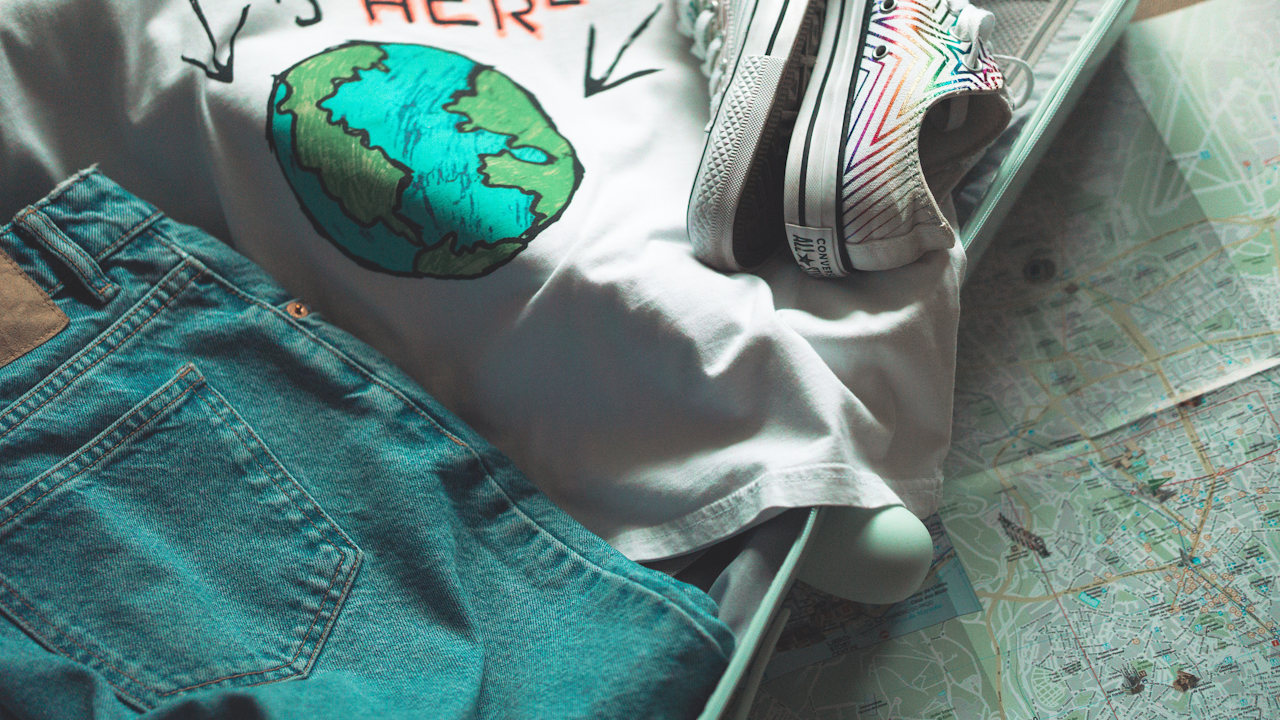
Traveling with just a carry-on bag has become a popular way to navigate airports and destinations with greater ease and efficiency. It eliminates the stress of waiting at baggage carousels, reduces the risk of lost luggage, avoids checked bag fees, and allows quicker movement through crowded terminals, train stations, or city streets. Many frequent travelers now routinely pack for trips lasting a week or longer using only one main carry-on suitcase (plus a personal item when permitted), proving that minimalist packing is both practical and liberating.
The key to success lies in preparation, smart choices, and a willingness to prioritize versatility over volume. Below is a comprehensive guide to mastering carry-on-only travel.
Understanding Carry-On Rules and Restrictions
Airline policies vary, so always verify details for your specific flights. In 2026, most major U.S. carriers (including American Airlines, Delta, United, JetBlue, and Alaska) allow carry-on bags up to 22 x 14 x 9 inches, including handles and wheels. Southwest permits slightly larger dimensions at 24 x 16 x 10 inches. Budget airlines like Spirit and Frontier often enforce stricter limits (around 18 x 14 x 8 inches for free items) and charge fees for larger carry-ons, sometimes starting at $60 or more if paid at the gate.
International carriers may have different standards, occasionally smaller, so check each airline’s website or app before purchasing luggage. Enforcement has become stricter in recent years, with more gate measurements and automated scanners in use. Measure your bag yourself to confirm compliance, as many “carry-on sized” suitcases exceed limits when wheels and handles are included.
Weight restrictions also apply on some airlines (often 15-22 pounds for carry-ons), particularly international or budget carriers. Weigh your packed bag at home to stay within limits.
Choose a reliable carry-on suitcase that fits these common dimensions. Look for lightweight models (under 8 pounds empty) with durable wheels, a sturdy handle, and preferably a clamshell opening for easier access. Expandable options provide flexibility for souvenirs on the return trip. Pair it with a personal item (backpack, tote, or laptop bag) that fits under the seat when the airline allows both.
Selecting the Right Luggage and Accessories
Invest in quality over quantity. A good carry-on should maneuver easily and withstand frequent use. Features like 360-degree spinner wheels, a telescoping handle with multiple heights, and TSA-approved locks add convenience.
Organization tools make a significant difference in limited space:
- Packing cubes (including compression versions) group similar items and maximize space.
- A separate laundry bag keeps dirty clothes contained.
- Shoe bags protect footwear and prevent soiling other items.
- A clear quart-sized bag for liquids complies with security rules (3.4 ounces or less per container).
Mastering the Packing Strategy
Plan outfits in advance rather than packing randomly. Create a capsule wardrobe with pieces that mix and match in neutral colors (black, navy, gray, beige) for maximum combinations from few items. Aim for versatile clothing that layers well and suits the trip’s climate and activities.
Wear your bulkiest items on travel days: heaviest shoes, jacket, or sweater. This frees space in the bag and keeps you comfortable during flights with varying temperatures.
Use efficient folding or rolling techniques:
- Roll clothes tightly to reduce wrinkles and save space.
- Stuff socks or small items into shoes.
- Layer outfits vertically in the suitcase for quick access.
Prioritize multi-functional items. A scarf can serve as a blanket, pillow, or accessory. Quick-dry fabrics (merino wool or synthetics) allow re-wearing without washing frequently. Plan to do laundry mid-trip at a hotel, laundromat, or Airbnb to extend your wardrobe.
Limit quantities:
- 5-7 tops (mix of t-shirts, blouses, or lightweight shirts)
- 2-3 bottoms (pants, shorts, or skirts)
- 1-2 outer layers
- 7-10 underwear and socks
- 1-2 pairs of shoes (worn pair plus one backup)
- Sleepwear and swimwear as needed
For toiletries, decant full-size products into travel containers (3.4 ounces max). Buy larger items like shampoo at your destination if staying longer.
What to Pack: A Practical Carry-On List
Tailor this to your trip length, season, and destination, but keep it minimalist.
Clothing (versatile and layerable):
- 4-6 tops
- 2-3 bottoms
- 1 light jacket or cardigan
- Underwear and socks for the trip plus extras
- Comfortable walking shoes (worn)
- Sandals or lighter shoes
- Sleep set
- Accessories like a belt or scarf
Toiletries (in 3-1-1 compliant bag):
- Toothbrush, travel toothpaste
- Deodorant, shampoo/conditioner bars or small bottles
- Face wash, moisturizer, sunscreen
- Medications and basics
Electronics:
- Phone, charger, adapter
- Laptop or tablet if needed
- Earbuds or headphones
- Portable power bank
Miscellaneous:
- Reusable water bottle
- Snacks for the flight
- Travel documents in a secure pouch
- Small first-aid items
- Lightweight day bag or foldable tote
Additional Tips for a Smooth Experience
Research your destination’s climate, culture, and laundry options early. Write a detailed packing list days in advance and refine it. Test-pack your bag a week before departure to identify excess.
At the airport, arrive early to handle any sizing checks calmly. Use priority boarding if available to secure overhead space.
If traveling long-term, embrace buying or laundering items en route. Souvenirs can often ship home or replace worn clothing.
Carry-on-only travel rewards patience and intentionality. Once mastered, it transforms journeys by reducing physical burden and mental clutter, letting you focus on experiences rather than logistics. Start small on a short trip, refine your system, and soon you may never check a bag again. Safe travels!