

Buying a used car offers significant savings over purchasing new, often allowing you to get a reliable vehicle for a fraction of the price. Yet this choice carries real risks. A lemon, in automotive terms, refers to a vehicle plagued by chronic mechanical failures, safety issues, or hidden damage that makes ownership far more expensive and frustrating than expected. These problems might stem from poor manufacturing, unreported accidents, flood damage, odometer tampering, or neglected maintenance. The average used car buyer who ends up with a lemon spends thousands on unexpected repairs within the first year. By learning a systematic approach to inspection and research, you can dramatically reduce your chances of making a costly mistake.
This guide walks you through every step of the process. It covers research before you even see the car, visual and physical checks, test drives, professional help, and warning signs that should make you walk away. Follow these steps carefully, and you will approach any used car purchase with confidence and clarity.
Start with Thorough Online Research
Never visit a seller without first gathering information about the specific vehicle. Begin by obtaining the vehicle identification number, or VIN, which is a unique 17-character code assigned to every car. You can usually find it on the dashboard near the windshield or on the driver’s door jamb. With the VIN in hand, run a comprehensive vehicle history report through reputable services such as Carfax or AutoCheck. These reports reveal critical details including previous ownership, mileage records, accident history, title status, and service records.
Pay close attention to the title type. A clean title is ideal, but a salvage title, rebuilt title, or flood title signals major past damage. Even if repairs were made, structural integrity may have been compromised. Flood-damaged cars often suffer from electrical failures and hidden corrosion that appear months later. Also check for odometer discrepancies. If the reported mileage seems suspiciously low for the car’s age or if the report shows inconsistencies, the seller may have rolled back the odometer, which is illegal in most places.
Next, research the specific make, model, and year for known issues. Reliable sources include the National Highway Traffic Safety Administration website, where you can search for open recalls. Enter the VIN to see if any safety-related defects remain unaddressed. Consumer Reports, Edmunds, and forums dedicated to that model often list common problems such as transmission failures in certain Honda models or engine troubles in older Volkswagens. Compare the car’s asking price against its fair market value using tools like Kelley Blue Book or Edmunds. A price that seems too good to be true usually is.
If the car has service records, ask the seller for them in advance. Genuine maintenance logs from authorized dealers or reputable shops provide evidence of regular oil changes, timing belt replacements, and other critical services. Missing records or vague explanations should raise concerns.
Examine the Exterior Carefully
Once you arrive to inspect the car in person, start with a thorough walk-around in good daylight. Look for signs of uneven paint, mismatched panels, or wavy bodywork, all of which can indicate previous accident repairs. Run your fingers along seams and edges to feel for differences in texture or gaps that do not align properly. Check the frame and undercarriage for welds, bent metal, or fresh undercoating that might hide rust or collision damage. Rust is especially problematic in older cars from snowy regions; probe gently around wheel wells, door bottoms, and the trunk floor.
Inspect the tires for even wear. Uneven tread suggests alignment or suspension problems. Verify that all four tires match in brand and size unless the car was designed for different sizes front and rear. Look at the glass for cracks, chips, or etching that might indicate a replaced windshield from an insurance claim. Test all lights, including headlights, taillights, brake lights, turn signals, and hazard lights. Foggy or cloudy headlight lenses can reduce visibility and may point to age or water intrusion.
Pay special attention to fluid leaks underneath the vehicle after it has been parked for a few minutes. Dark spots could be oil, while pink or green puddles might indicate transmission or coolant leaks. A sweet smell often accompanies coolant, while a burnt odor suggests transmission fluid issues.
Inspect the Interior and Cabin
Step inside and evaluate the condition relative to the reported mileage. A car with 80,000 miles should not have heavily worn driver’s seat bolsters, shiny steering wheel, or faded pedals unless the mileage has been altered. Check the carpets and floor mats for water stains or musty odors that could indicate past flooding. Lift the mats and look for rust or rot on the floorboards.
Test every electrical feature: windows, locks, mirrors, seats, radio, air conditioning, heater, and sunroof if equipped. Slow or noisy window motors, inconsistent air conditioning performance, or dashboard warning lights that stay on are red flags. Sit in every seat to check for unusual noises or sagging. Smell the cabin; a strong chemical or moldy scent may suggest attempts to cover up water damage or smoke history.
Examine the trunk or cargo area for spare tire condition, jack, and tool kit. Look for water stains or mismatched carpeting that might hide previous trunk leaks or accident repairs.
Look Under the Hood and Check Mechanical Components
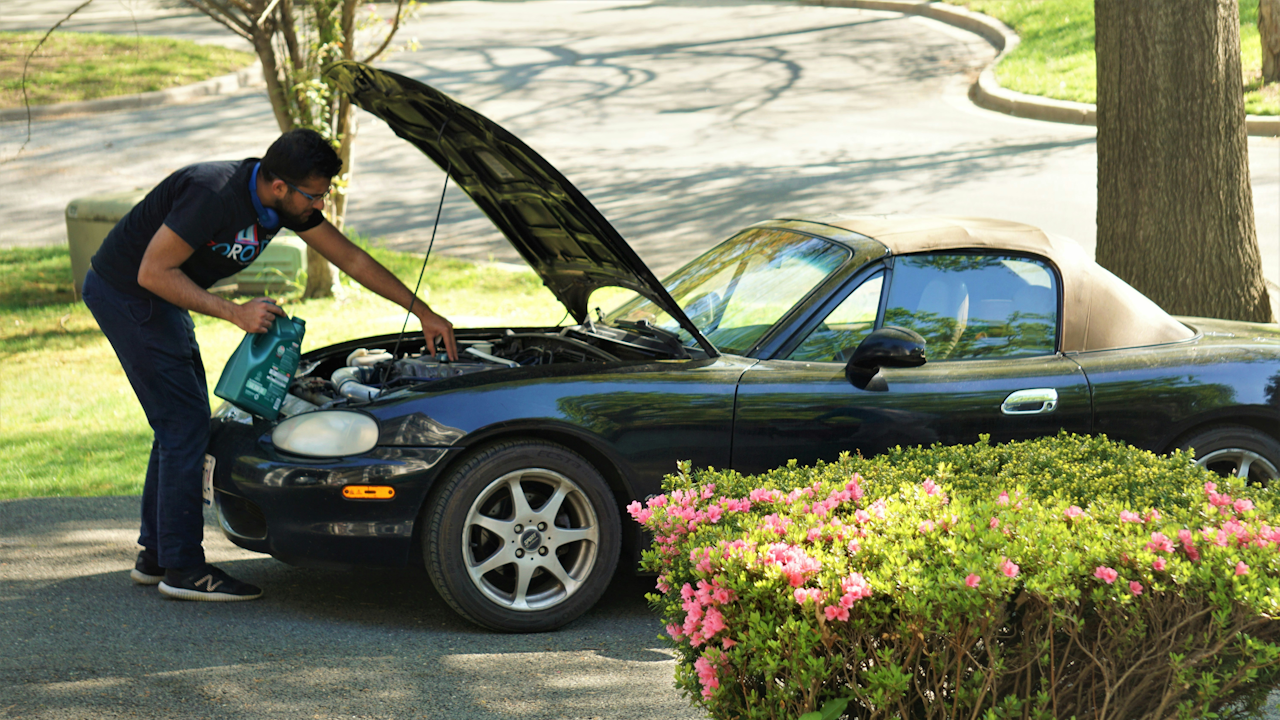
Pop the hood and examine the engine bay with a flashlight. A clean, well-maintained engine is a good sign, but excessive oil residue or fresh paint on components can indicate attempts to hide leaks. Check all fluid levels: oil should be clean and at the proper level, coolant should be full and not milky (which suggests a blown head gasket), and brake fluid should be clear. Look for cracked or brittle hoses and belts, which wear out over time and can cause sudden breakdowns.
Remove the oil filler cap and inspect for sludge or a mayonnaise-like substance, both signs of coolant mixing with oil. Start the engine cold if possible and listen for unusual noises such as knocking, ticking, or rattling. Watch the exhaust for excessive smoke: blue smoke indicates burning oil, white smoke may mean coolant is entering the combustion chamber, and black smoke suggests a rich fuel mixture or clogged air filter.
Check the battery for corrosion on terminals and ensure it is securely mounted. Test the alternator and starter by observing smooth cranking and steady voltage if you have a multimeter. Suspension components should show no excessive play when you push down on each corner of the car; it should bounce back once and settle.
Conduct a Comprehensive Test Drive
A test drive is one of the most revealing parts of the inspection. Drive the car on a variety of roads: city streets, highways, and if possible, some rough pavement. Listen carefully for unusual sounds from the engine, transmission, suspension, or brakes. Note any vibrations through the steering wheel or floor, which could point to unbalanced tires, worn CV joints, or engine mounts.
Pay attention to how the car shifts gears. Automatic transmissions should change smoothly without hesitation or harsh clunks. Manual transmissions should engage without grinding. Test the brakes at various speeds; they should stop straight and without pulling to one side or making grinding noises. Check that the steering feels responsive and centered, with no excessive play or wandering.
Monitor the dashboard for any warning lights that illuminate during the drive. The check engine light, ABS light, or airbag light should not appear. Note the temperature gauge; the engine should reach normal operating temperature without overheating. Test the air conditioning and heater thoroughly. If the car has cruise control or advanced driver assistance features, verify they work correctly.
Drive at least 20 to 30 minutes to allow hidden issues to surface. If the seller limits the test drive or refuses certain roads, consider that a warning sign.
Bring in a Professional Mechanic for a Pre-Purchase Inspection
Even if everything looks good during your own inspection, hire an independent mechanic for a pre-purchase inspection. This step is worth the typical fee of $100 to $200 because a trained professional uses specialized tools to check what you cannot see. Ask the mechanic to perform a compression test on the engine, scan for diagnostic trouble codes with an OBD-II scanner, inspect the frame with a lift, and check the thickness of brake pads and rotors.
Provide the mechanic with the vehicle history report so they can focus on known problem areas. A good inspector will also road-test the car and provide a written report detailing any issues with estimated repair costs. If the seller refuses a pre-purchase inspection or insists on using their own mechanic, walk away immediately.
Recognize Common Red Flags That Signal a Lemon
Certain warning signs appear repeatedly with problematic cars. A seller who pressures you to buy quickly or refuses to answer direct questions is hiding something. Be wary of cars advertised with phrases like “as is” or “needs minor work” when the price suggests otherwise. Inconsistent stories about the car’s history or ownership are another indicator.
Watch for these specific issues during inspection:
- Mismatched VINs on different parts of the car.
- Fresh paint in only certain areas.
- Airbags that appear deployed and replaced poorly.
- Unusual odors that persist despite air fresheners.
- Dashboard lights that have been disabled or bulbs removed.
- Service records that start suddenly after a long gap.
- A seller who cannot produce the title or claims it is lost.
Private sellers sometimes offer lower prices than dealerships, but they also carry higher risk because they are not bound by the same disclosure laws. Dealerships must often provide certain warranties on certified pre-owned vehicles, though not all used cars qualify.
Understand Legal Protections and Next Steps
Familiarize yourself with your state’s lemon laws and used car buyer protections. While lemon laws primarily apply to new vehicles, many states have implied warranties of merchantability for used cars sold by dealers. Private sales usually operate under “buyer beware,” making your own due diligence even more important.
If you discover problems after purchase, document everything with photos, repair estimates, and communication records. Some states allow you to return a car within a short period if major undisclosed defects appear. Consider purchasing an extended service contract only after reviewing the coverage details and exclusions carefully.
After buying, maintain detailed service records yourself. Regular maintenance prevents small issues from becoming expensive lemons later.
Conclusion
Spotting a lemon requires patience, attention to detail, and a willingness to walk away from any deal that does not feel right. By combining online research, a methodical physical inspection, a thorough test drive, and a professional mechanic’s evaluation, you protect yourself from hidden problems that could cost thousands in repairs or leave you stranded. Remember that the best used car purchase is the one you make with full knowledge rather than impulse. Take your time, ask tough questions, and trust the evidence rather than the seller’s promises. With these strategies, you can confidently find a reliable used car that serves you well for years to come without the financial burden and stress that comes with owning a lemon.