

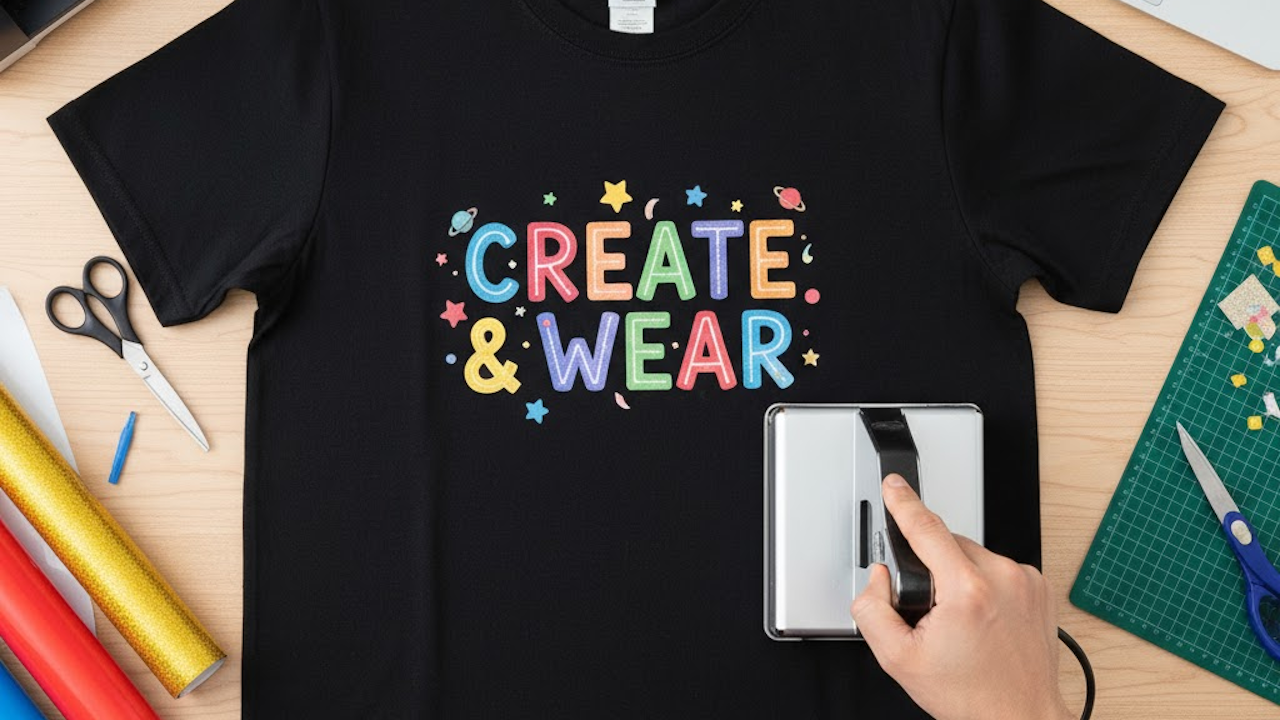
Iron-on vinyl, also known as heat transfer vinyl or HTV, offers a popular and accessible way to customize clothing. This method allows you to add names, logos, quotes, graphics, and intricate designs to t-shirts, hoodies, tote bags, and more. With basic supplies and careful technique, you can create professional-looking personalized items at home. This comprehensive guide covers everything from choosing materials to advanced techniques and troubleshooting.
Whether you are a beginner or looking to refine your skills, following these steps will help you achieve durable, vibrant results that withstand washing and wear.
What Is Iron-On Vinyl?
Iron-on vinyl consists of a thin layer of polyurethane or similar material with an adhesive backing. You cut your design into the vinyl using a cutting machine, remove excess material (weeding), and apply heat to transfer the design onto fabric. The carrier sheet holds the design in place during application. Once cooled, you peel away the carrier sheet, leaving the vinyl bonded to the clothing.
HTV comes in many varieties, including basic colors, glitter, metallic, holographic, patterned, and specialty types like glow-in-the-dark or puff vinyl. It works well on cotton, polyester, and blends, though results vary by fabric type and vinyl quality.
Materials and Tools Needed
Gather these supplies before starting:
- Iron-on vinyl (HTV) sheets in desired colors.
- Clothing item, such as a 100 percent cotton t-shirt for best results. Blends also work but may require testing.
- Cutting machine, such as a Cricut, Silhouette, or similar model.
- Cutting mat (standard grip green mat works well for most HTV).
- Weeding tool or hook for removing excess vinyl.
- Scissors or trimmer.
- Brayer or roller to ensure the vinyl adheres flat to the mat.
- Heat source: household iron, heat press, or mini press like a Cricut EasyPress.
- Parchment paper, Teflon sheet, or butcher paper to protect the design during pressing.
- Ruler or measuring tape for placement.
- Optional: bright light pad for easier weeding, heat-resistant tape, and a lint roller for fabric prep.
Choose high-quality HTV from reputable brands for better adhesion and longevity.
Designing Your Project
Start with the design phase. Use software that pairs with your cutting machine, such as Cricut Design Space or Silhouette Studio. You can create original designs, upload SVGs, or use free templates.
- Size the design appropriately for the garment. For adult t-shirts, center a design about 10 to 12 inches wide on the chest.
- Mirror (flip horizontally) the design before cutting. This is crucial because the vinyl is applied adhesive-side down.
- For multi-color or layered designs, create separate layers and cut them individually. Plan the order: apply the bottom layer first.
Test your design on scrap material if it is complex.
Preparing and Cutting the Vinyl
- Place the HTV on the cutting mat with the shiny carrier sheet side down. The matte vinyl side faces up.
- Load the mat into your machine.
- In the software, select the correct material setting, such as “Everyday Iron-On” or the specific type you are using. Increase pressure if needed for a clean cut.
- Cut the design. After cutting, unload the mat.
Check the cut by gently lifting a corner. The blade should cut through the vinyl but not the carrier sheet. If cuts are incomplete, adjust settings and recut.
Weeding the Design
Weeding removes all unwanted vinyl, leaving only your design on the carrier sheet.
- Work on a flat, well-lit surface. A light pad helps see fine details.
- Use the weeding tool to lift and pull away excess vinyl from around and inside the design.
- For small details or fonts, go slowly to avoid tearing.
- Keep the design on the carrier sheet for application.
Save larger scraps of vinyl for future small projects.
Preparing the Clothing
Proper preparation ensures strong adhesion.
- Wash and dry the garment without fabric softener to remove residues.
- Lay it flat on a heat-resistant surface like an ironing board or heat press mat.
- Use a lint roller to remove any lint or debris.
- Preheat the fabric by pressing the area with your iron or heat press for 5 to 10 seconds. This removes moisture and wrinkles.
Fold the garment to find the center line for accurate placement.
Applying the Iron-On Vinyl
- Position the design on the garment, carrier sheet up (vinyl side down against the fabric). Use a ruler to align it perfectly.
- Cover the design with parchment paper or a Teflon sheet to protect it from direct heat.
- Apply heat and pressure according to your vinyl instructions. Typical settings for standard HTV are around 305 to 320 degrees Fahrenheit for 10 to 30 seconds.
- With an iron: Use medium-high heat, press firmly, and move slightly if needed. Apply even pressure.
- With a heat press or EasyPress: Follow exact time and temperature guidelines.
- Apply firm, even pressure. You should see the fabric texture slightly through the vinyl for good adhesion.
- Let the area cool completely before peeling the carrier sheet. Peel slowly at a low angle. If the vinyl lifts, re-press for a few more seconds.
For layered designs, apply each layer one at a time, starting with the bottom. Tack the first layer briefly, then add subsequent layers with full press time.
Tips and Tricks for Success
- Always mirror designs.
- Preheat garments to eliminate moisture.
- Use parchment paper every time to avoid shiny spots or melting.
- Test settings on scraps, especially for new vinyl or fabrics.
- For dark shirts, use opaque or white-backed HTV.
- Work in a clean area to prevent debris under the vinyl.
- For stretchy fabrics, use flexible HTV designed for activewear.
- Store unused vinyl flat and away from heat.
Common Mistakes and How to Avoid Them
Many beginners encounter these issues:
- Incomplete cuts: Use the correct material setting and more pressure. Do a test cut.
- Vinyl not adhering: Insufficient heat, pressure, or time. Preheat fabric and press longer if needed. Re-press problem areas.
- Peeling after washing: Not enough pressure or wrong vinyl for the fabric. Wash inside out in cold water.
- Burned or melted vinyl: Too high heat or no protective sheet. Follow manufacturer guidelines.
- Misaligned layers: Plan order and use alignment marks. Press one layer fully before adding the next.
- Wrinkled application: Smooth fabric thoroughly before placing vinyl.
If vinyl lifts, reheat and press again. For major errors, you can sometimes remove cooled HTV by reheating and peeling, then replace with a new design.
Care Instructions for Longevity
To make your personalized clothing last:
- Wait at least 24 to 48 hours after application before the first wash.
- Turn the garment inside out.
- Wash in cold water on a gentle cycle.
- Avoid bleach and fabric softeners.
- Hang dry or tumble dry on low heat.
- Do not iron directly on the design. Use a cloth barrier if needed.
With proper care, quality HTV designs can last dozens of washes.
Advanced Techniques
Once comfortable with basics, try these:
- Layering multiple colors for complex images.
- Using specialty vinyls like glitter or metallic for visual interest.
- Combining HTV with other methods, such as screen printing accents.
- Applying to non-clothing items like tote bags, pillows, or hats.
- Creating matching family outfits or team uniforms.
- Adding names or numbers to sports apparel.
Experiment with different fabrics, such as denim jackets or polyester performance wear, using appropriate vinyl types.
Conclusion
Personalizing clothing with iron-on vinyl opens endless creative possibilities. It is an affordable, fun hobby that lets you express individuality, create gifts, or even start a small business. Start simple with a single-color design on a basic t-shirt, then build skills with more complex projects. Practice and patience lead to consistently great results.
Invest in quality supplies, follow instructions for your specific vinyl, and do not be afraid to experiment. Soon you will have a wardrobe full of unique, custom pieces that reflect your style. Grab your supplies and get started on your first project today. Your creativity is the only limit.