

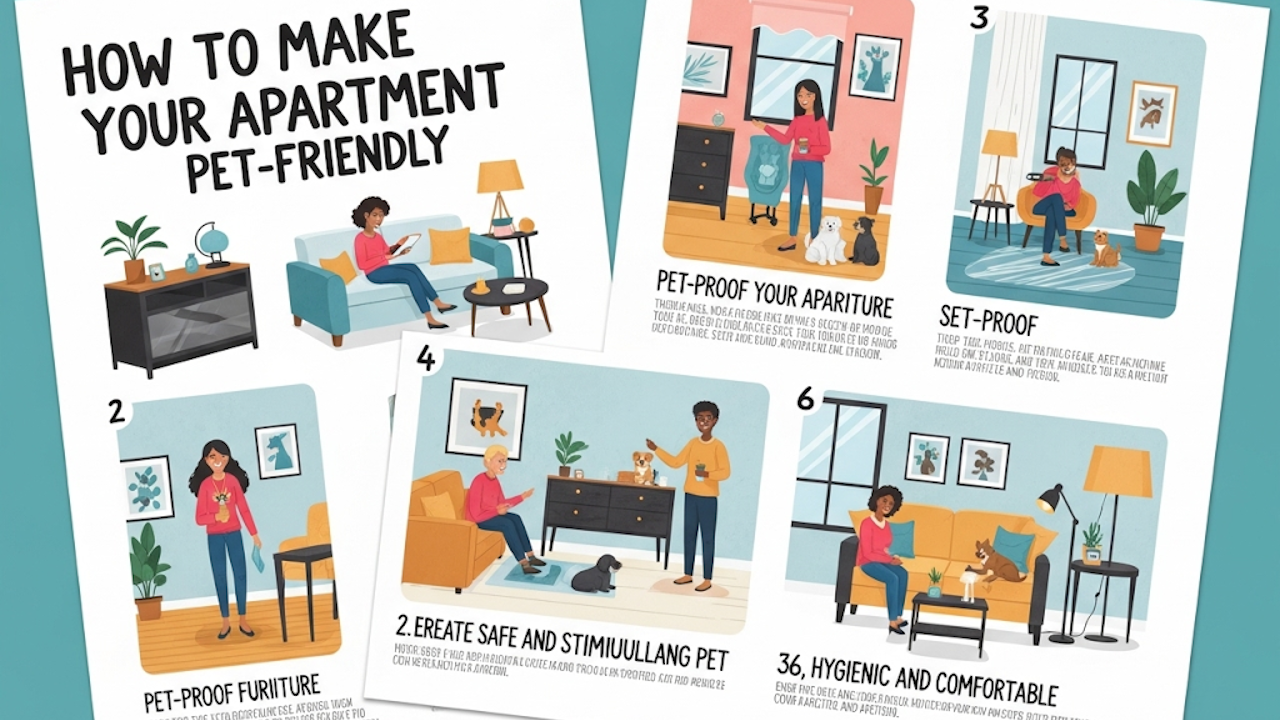
Bringing a pet into your apartment can transform your living space into a warmer, more joyful home. Pets offer companionship, reduce stress, and encourage healthier routines. However, apartments present unique challenges compared to houses with yards. Limited space, shared walls, rental restrictions, and the need for careful management of messes and noise all require thoughtful planning. This guide provides practical, step-by-step advice to create a safe, comfortable, and functional environment for both you and your animal companion.
Start with the Basics: Assess Your Apartment and Lifestyle
Before adopting or bringing home a pet, evaluate your apartment’s suitability. Measure square footage and consider layout. A studio might work well for a cat or small dog, while larger breeds need at least a one-bedroom space with room to move. Check for balconies, windows, or high ledges that could pose falling risks. Note floor types—carpet hides hair but traps odors, while hardwood shows scratches but cleans easier.
Review your lease thoroughly. Many buildings allow pets with restrictions on size, breed, or number. Some require pet deposits or monthly fees. Talk to your landlord early and get approval in writing. Understand local laws regarding emotional support animals if applicable. Research common apartment pet policies to avoid surprises.
Consider your daily schedule. Pets need consistent feeding, exercise, and attention. If you work long hours, choose lower-energy animals or plan for a pet sitter or dog walker. Factor in your travel habits—frequent trips may require boarding arrangements or reliable neighbors.
Selecting the Right Pet for Apartment Life
Not every animal thrives in an apartment. Match the pet to your space and routine. Cats often adapt beautifully because they are independent and use vertical space effectively. Smaller dogs like Chihuahuas, French Bulldogs, or Pugs suit limited areas better than large, high-energy breeds such as German Shepherds or Huskies. Birds, fish, rabbits, or guinea pigs can also make excellent apartment companions with proper care.
Adopt from shelters or rescues when possible. Staff can recommend animals accustomed to indoor living. Consider age—puppies and kittens require more training and energy, while adults may already be house-trained. Test compatibility during meet-and-greets. If possible, foster first to ensure a good fit before committing.
Prepare the Space: Essential Modifications
Transform your apartment systematically. Begin with a thorough cleaning and decluttering. Remove items that could become chew toys or hazards. Secure loose wires, tuck away small objects, and install childproof locks on cabinets containing cleaning supplies or medications.
Create designated zones. Set up a quiet sleeping area with a comfortable bed or crate in a low-traffic corner. Place food and water bowls in a dedicated spot away from high-traffic paths to prevent spills. For cats, position the litter box in a private but accessible location, ideally in a bathroom or closet. Use enclosed litter boxes or mats to contain litter scatter.
Add vertical elements for cats and small animals. Wall-mounted shelves, cat trees, or window perches expand usable space without crowding the floor. These features satisfy climbing instincts and provide lookout points. For dogs, clear pathways for indoor zoomies and consider baby gates to block off restricted areas like kitchens.
Protect surfaces. Use rugs or runners over hardwood floors in high-traffic zones to prevent slips and scratches. Cover furniture with washable throws or invest in pet-resistant fabrics. Place scratch posts or pads near sofas and beds to redirect clawing behavior. For renters, opt for temporary solutions like adhesive hooks or freestanding furniture rather than permanent installations.
Safety First: Pet-Proofing Your Apartment
Safety remains paramount in compact living. Cover or block electrical outlets. Install window screens and keep windows cracked only at the top or use secure guards. Balcony railings often have gaps—use mesh barriers or netting if your pet goes outside.
Store toxic items out of reach. Common dangers include houseplants like lilies, pothos, or aloe vera; chocolate; onions; grapes; certain essential oils; and human medications. Research pet-safe alternatives for cleaning products.
Prevent escape risks. Use door sweeps or baby gates during entry and exit. Microchip your pet and keep identification tags updated. In apartments, lost pets can face greater dangers from traffic or unfamiliar surroundings.
For dogs, secure trash bins with lids to avoid rummaging. Place toilet lids down to prevent drinking from bowls, which can contain harmful cleaners. Install safety gates at stair landings if your building has internal stairs.
Furniture, Decor, and Organization Adjustments
Choose durable, easy-to-clean furnishings. Opt for leather or microfiber sofas over delicate fabrics. Select coffee tables with rounded edges to minimize injury. Wall-mounted TVs or secured shelving units reduce tipping hazards.
Incorporate multifunctional furniture. Storage ottomans can hold toys and supplies. Raised beds create space underneath for crates or baskets. Use over-the-door organizers for leashes, waste bags, and grooming tools.
Minimize odors and allergens. Place air purifiers in main living areas. Wash pet bedding weekly. Vacuum or sweep daily, especially during shedding seasons. Choose low-pile carpets or area rugs that you can remove and clean. For allergy sufferers, select hypoallergenic breeds or maintain strict grooming schedules.
Lighting and temperature control matter too. Ensure adequate natural light or full-spectrum bulbs for animals that need vitamin D. Keep temperatures stable—apartments can get hot in summer or cold in winter. Use fans, air conditioners, or space heaters safely away from pets.
Training, Behavior, and Daily Routines
Successful apartment pet ownership depends on training. Start with basic commands: sit, stay, come, and leave it. Use positive reinforcement with treats and praise. For dogs, crate training provides a safe den and helps with housebreaking. For cats, clicker training encourages desired behaviors.
Address barking or meowing early. Excessive noise can disturb neighbors. Teach quiet commands and provide mental stimulation to reduce boredom. Puzzle toys, food-dispensing balls, and regular play sessions help expend energy.
Establish consistent routines. Feed at the same times daily. Schedule walks or play sessions to align with your workday. Use automatic feeders or fountains for water if your schedule varies. Litter boxes need scooping at least once daily and full changes weekly.
Socialization prevents issues. Expose your pet gradually to apartment sounds like doorbells, elevators, and neighbors. Invite friends over for controlled visits. For dogs, frequent short walks build confidence and burn energy. Consider puppy or kitten classes tailored to urban environments.
Exercise and Enrichment in Limited Space
Lack of a yard does not mean lack of activity. For dogs, commit to multiple daily walks—morning, evening, and midday if possible. Use flirt poles, tug toys, or indoor fetch games. Doggy daycare or playdates with neighbor pets provide social exercise. Explore nearby parks, hiking trails, or pet-friendly cafes.
Cats benefit from interactive play with wand toys, laser pointers, or feather teasers. Rotate toys weekly to maintain interest. Install cat highways along walls using shelves and bridges. Window bird feeders offer entertainment without outdoor access.
For small animals like rabbits or guinea pigs, create enclosed playpens with tunnels and chew toys. Birds need out-of-cage time in a safe room with perches and foraging opportunities. Fish tanks require stable placement away from direct sunlight and heaters, with regular water testing.
Mental stimulation reduces destructive behavior. Hide treats around the apartment for scent work. Use snuffle mats or frozen Kong toys for slow feeding. Consider pet cameras with treat dispensers for monitoring and interaction when away.
Cleaning, Maintenance, and Odor Control
Apartment living demands diligent cleaning. Invest in a quality vacuum with HEPA filters for hair and dander. Keep enzymatic cleaners on hand for accidents—these break down proteins in urine and eliminate odors rather than masking them.
Groom regularly. Brushing removes loose fur before it spreads. Trim nails to protect floors and furniture. Bathe dogs as needed with pet-safe shampoos. For cats, brushing and occasional wipes maintain coat health.
Manage waste responsibly. Use biodegradable poop bags and dispose of them promptly in outdoor trash. For litter, choose low-dust, clumping varieties and consider litter mats or robotic boxes for convenience. Compost pet waste if your building allows, or use designated disposal methods.
Deep clean monthly. Wash walls, baseboards, and upholstery. Rotate and clean air filters. This routine keeps air quality high and prevents buildup that could trigger allergies or odors.
Neighbor Relations and Noise Management
Respect shared spaces. Keep common areas clean and pick up after your pet immediately. Introduce your pet to neighbors positively—many will appreciate knowing about the new resident.
Minimize disturbances. Avoid letting dogs bark at doors or windows for extended periods. Use white noise machines or calming music during absences. Schedule loud play sessions during reasonable hours. If your pet has separation anxiety, consult a trainer for solutions.
Participate in building community. Some apartments host pet meetups or have designated relief areas. Offer to walk a neighbor’s dog occasionally to build goodwill.
Health, Veterinary Care, and Emergency Preparedness
Schedule regular veterinary visits. Keep vaccinations current and discuss flea, tick, and heartworm prevention suited to indoor lifestyles. Spay or neuter to reduce behavioral issues and overpopulation.
Prepare an emergency kit with medications, first-aid supplies, copies of records, and a carrier or leash. Know the nearest 24-hour emergency clinic. In apartments, elevators or stairs can complicate evacuations during fires or disasters—plan escape routes and pet carriers accordingly.
Budget for ongoing costs. Factor in food, toys, vet bills, grooming, and potential damages. Pet insurance can provide peace of mind for unexpected issues.
Long-Term Enjoyment and Adaptability
Monitor your pet’s happiness. Signs of stress include excessive hiding, aggression, or changes in appetite. Adjust setups as needed—add more enrichment or rearrange zones. As pets age, they may require easier access like ramps for furniture or senior-friendly toys.
Celebrate milestones. Take photos during playtime or quiet cuddles. Many apartment dwellers report deeper bonds with pets because of the close-quarters living.
Involve the whole household. Teach children respectful interaction and assign age-appropriate chores like filling water bowls. Consistent rules across family members prevent confusion.
Conclusion
Creating a pet-friendly apartment requires initial investment in time and resources, but the rewards far outweigh the effort. A well-prepared space ensures safety, comfort, and harmony for everyone involved. Start small, implement changes gradually, and remain flexible. With patience and creativity, your apartment can become an ideal home where your pet thrives and enriches your daily life. Consult professionals—trainers, veterinarians, or fellow pet owners—for personalized advice. The key lies in balancing your pet’s natural needs with the practical realities of apartment living. When done right, you will wonder how you ever lived without that wagging tail or purring companion sharing your space.