

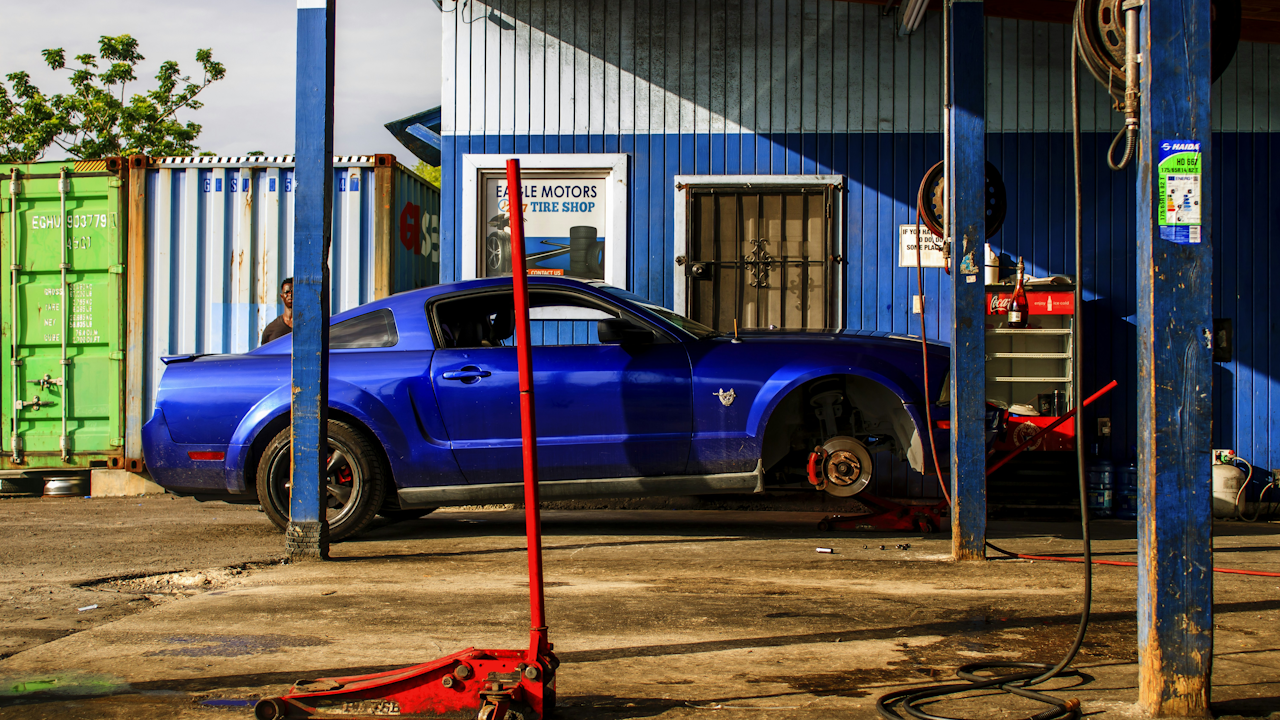
Old cars hold a special place in the hearts of many drivers. They offer reliability when maintained properly, character that modern vehicles often lack, and significant cost savings compared to buying new. With the right approach, a vehicle that has already logged 100,000 miles or more can continue to perform smoothly for decades. The key lies in consistent care, attention to detail, and addressing small problems before they become major repairs. This guide provides a comprehensive roadmap to keeping an older automobile operating at peak efficiency, covering everything from routine upkeep to advanced troubleshooting techniques. By following these steps, you can extend the life of your car, improve its safety, and maintain its value.
Know Your Vehicle Inside and Out
The foundation of effective maintenance begins with understanding your specific make and model. Older cars vary widely in design and common failure points. For instance, a 1990s Honda Accord might suffer from transmission issues, while a classic Ford Mustang could develop rust in the floorboards. Start by obtaining the factory service manual, either in print or through online resources specific to your year and engine type. Join owner forums and clubs dedicated to your vehicle; these communities often share model-specific advice that generic guides overlook.
Create a detailed maintenance log. Record every service, part replacement, and mileage at which it occurred. This history helps spot patterns, such as recurring oil leaks or electrical gremlins. Invest in a basic OBD-II scanner if your car was built after 1996. These affordable tools connect to the diagnostic port and reveal error codes that pinpoint issues like faulty sensors or misfires. For pre-1996 models, learn to interpret analog gauges and listen for unusual noises during operation.
Establish a Rigorous Maintenance Schedule
New cars often come with extended service intervals, but older vehicles require more frequent attention because components wear faster. Change the engine oil and filter every 3,000 to 5,000 miles, depending on driving conditions and oil type. High-mileage synthetic blends formulated for older engines reduce sludge buildup and provide better protection against wear. Always use the viscosity recommended in your owner’s manual; deviating can cause premature bearing failure.
Replace air filters every 15,000 miles and fuel filters every 30,000 miles or sooner if you notice hesitation during acceleration. Spark plugs should be inspected and replaced according to the manufacturer’s interval, typically 30,000 to 100,000 miles. For cars with distributor caps and rotors, replace those every 50,000 miles to ensure strong spark. Timing belts or chains demand strict adherence to replacement schedules; a broken belt on an interference engine can destroy valves and pistons.
Coolant flushes every two years prevent corrosion in the radiator and heater core. Brake fluid should be changed every two to three years because it absorbs moisture, leading to reduced braking performance. Transmission fluid and filter changes are essential even if the manufacturer claims the unit is “lifetime filled.” For automatic transmissions in older cars, perform this service every 30,000 to 60,000 miles to avoid costly rebuilds.
Engine Care: The Heart of the Machine
The engine is the most critical component, and keeping it healthy requires proactive steps. Begin with regular compression and leak-down tests to assess internal condition. These tests reveal worn piston rings, valves, or head gaskets before symptoms appear. If compression is low, consider adding a high-mileage oil additive designed to swell seals gently.
Clean the throttle body and intake manifold every 50,000 miles to remove carbon deposits that cause rough idling. For fuel-injected engines, use quality fuel system cleaners periodically to keep injectors flowing evenly. Carbureted models benefit from rebuilding the carburetor every 50,000 miles or when performance drops. Check and replace PCV valves and hoses to prevent oil contamination and vacuum leaks.
Monitor coolant temperature closely. Overheating destroys head gaskets and warps cylinder heads. Inspect radiator hoses for cracks or softness and replace them preventively every four years. A new thermostat costs little but ensures proper operating temperature, which improves fuel efficiency and reduces wear. Belts and pulleys should be examined for glazing or cracking; replace the entire serpentine belt set at the first sign of wear to avoid roadside breakdowns.
Transmission, Drivetrain, and Differential Maintenance
Transmissions in older cars often fail due to neglected fluid changes. For manuals, check the fluid level and condition every 15,000 miles. Synthetic gear oil extends life in high-mileage units. Automatics require fluid and filter service using the exact type specified; mixing incompatible fluids leads to slippage and failure. If the transmission has a drain plug, use it; otherwise, drop the pan for a thorough job.
Drive shafts, universal joints, and CV axles need grease and inspection for play. A clicking noise during turns signals worn CV joints that must be replaced promptly. Rear-wheel-drive vehicles benefit from differential fluid changes every 30,000 miles. Limited-slip differentials require special additives to prevent chatter.
Suspension, Steering, and Brakes
A smooth ride indicates healthy suspension. Inspect shocks or struts for leaks every 50,000 miles and replace them in pairs to maintain balance. Ball joints, tie rods, and control arm bushings wear out and cause vague steering or tire wear. Lift the car safely and check for play by prying with a bar. Power steering fluid should be flushed every 50,000 miles to prevent pump failure.
Brakes demand constant vigilance. Replace pads before they reach the wear indicators, typically at 3 millimeters of material remaining. Rotors should be measured for thickness and resurfaced or replaced if warped. Calipers need cleaning and lubrication during pad changes to avoid seizing. Brake lines can corrode in older cars; inspect them for rust and replace any soft or damaged sections with DOT-approved tubing.
Electrical System and Battery Health
Electrical gremlins plague many older vehicles. Start with the battery: test it annually and replace every four to five years regardless of appearance. Clean terminals to prevent corrosion, which causes starting issues. Alternators and starters last longer with regular belt tension checks.
Wiring harnesses become brittle over time. Inspect under the hood and along the frame for chafed insulation. Ground connections often loosen or corrode; clean and tighten them to resolve mysterious electrical faults. Headlights and taillights benefit from upgraded bulbs if the originals dim, but ensure compatibility with the charging system to avoid overload.
Exhaust System and Emissions Control
Rust attacks exhaust components first. Inspect the entire system from manifold to tailpipe for holes or loose hangers. Catalytic converters in older cars can clog, causing power loss; a backpressure test confirms this. Replace oxygen sensors every 100,000 miles to maintain proper fuel trim and emissions compliance.
Body, Frame, and Rust Prevention
Rust is the silent killer of classic and older cars. Wash the vehicle weekly and apply a thorough underbody rinse to remove road salt and debris. Apply rust-inhibiting sprays or undercoating annually, focusing on frame rails, wheel wells, and door sills. Touch up paint chips immediately with matching touch-up paint to prevent moisture intrusion.
For existing rust, sand to bare metal, treat with a rust converter, and prime before repainting. Convertible tops and weather stripping require cleaning and conditioning to maintain seals. Interior leaks lead to electrical shorts and mold; address them promptly.
Tires, Wheels, and Alignment
Tires age even if tread remains. Replace them after six years regardless of mileage because rubber hardens and loses grip. Maintain proper inflation checked monthly with a quality gauge; underinflation causes excessive wear and poor handling. Rotate tires every 5,000 miles and balance them to eliminate vibrations.
Wheel alignment should be checked annually or after hitting potholes. Older cars often need four-wheel alignment to prevent uneven tire wear. Inspect wheel bearings for noise or play during rotation service.
Fluids, Filters, and Lubrication Points
Every fluid in the car has a purpose. Power steering, brake, transmission, and differential fluids all degrade. Use only manufacturer-specified types to avoid seal damage. Grease fittings on suspension and drivetrain components every 15,000 miles with the correct lithium or synthetic grease.
Cabin air filters, often overlooked, improve air quality and defroster performance. Replace them yearly. Fuel additives help older engines run cleaner but choose reputable brands and follow dosage instructions.
Driving Habits That Extend Vehicle Life
How you drive matters as much as maintenance. Warm up the engine gently for the first few minutes, especially in cold weather. Avoid jackrabbit starts and hard braking. Highway miles are easier on components than stop-and-go city driving. Use the correct octane fuel; higher is not always better and can cause deposits in some engines.
Park in a garage when possible to shield from weather. During long periods of inactivity, use a trickle charger and fuel stabilizer to prevent battery drain and fuel degradation.
DIY Projects Versus Professional Service
Many tasks suit the home mechanic: oil changes, brake jobs, and spark plug replacement save money and build knowledge. Invest in quality tools such as a torque wrench, jack stands, and a multimeter. Safety first: always chock wheels and use proper supports.
Complex jobs like engine rebuilds, transmission work, or suspension alignments benefit from professional shops with specialized equipment. Choose independents familiar with older vehicles over dealerships. Build relationships with trusted mechanics who appreciate classics and vintage cars.
Troubleshooting Common Issues
Rough idle often traces to vacuum leaks or dirty sensors. Use a can of carb cleaner to test hoses for hissing. Excessive oil consumption may indicate worn valve seals; a simple seal replacement can cure it without a full overhaul.
Overheating calls for immediate diagnosis: check coolant level, fan operation, and water pump. Sluggish acceleration might stem from a failing fuel pump or clogged catalytic converter.
Dashboard warning lights require prompt attention. Even if the car runs, ignoring them leads to cascading failures.
Budgeting and Prioritizing Repairs
Create a maintenance budget based on mileage and age. Allocate funds monthly rather than facing large unexpected bills. Prioritize safety items like brakes and tires over cosmetic upgrades. Keep spare parts such as belts, hoses, and fuses in the trunk for emergencies.
Selling or trading an old car that runs well yields better value than one neglected. Documented maintenance history proves to buyers that the vehicle received proper care.
The Rewards of Proper Care
Maintaining an older car fosters a deeper connection to the machine. You learn mechanical skills, save thousands compared to new car payments, and reduce waste by keeping a functional vehicle on the road. Many enthusiasts report their well-cared-for cars feel more responsive than newer models burdened by heavy electronics and emissions controls.
Start today with a thorough inspection and a fresh oil change. Consistency compounds over time, turning potential headaches into reliable transportation. Your old car can indeed run like new for years to come when treated with respect and regular attention. The effort pays dividends in performance, safety, and satisfaction every time you turn the key.